A Study on Daily Baking Soda and Autoimmune Inflammation
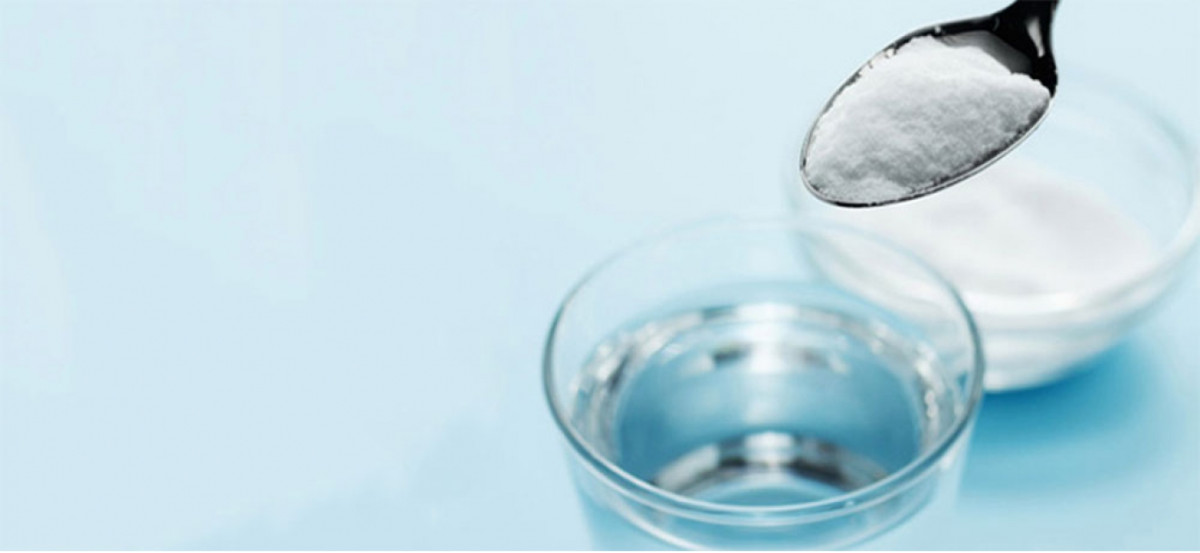
A study on daily baking soda and autoimmune inflammation, and how to take it
Humble baking soda already has dozens of well-known uses, such as whitening teeth, cleaning the kitchen, easing heartburn and neutralising unpleasant odours. Now there is another, and one of particular scientific interest.
According to a recent American study, baking soda, officially known as sodium bicarbonate, has been studied in relation to autoimmune conditions.
Researchers at the Medical College of Georgia at Augusta University found that a daily dose of baking soda was linked to reduced markers of the damaging inflammation seen in autoimmune conditions such as rheumatoid arthritis.
The study, published in the Journal of Immunology, provides perhaps the first evidence that this cheap, over-the-counter antacid may help "calm" the immune system so that it does not attack the body's own tissues without reason.

Baking soda and the spleen
After a series of experiments in mice and people, the researchers found that baking soda prompts the stomach to make more acid to break down and digest the next meal. At the same time, it acts on specialised cells in the spleen, called mesothelial cells, signalling that all is well in the body and that no attack is under way. This helps prevent an unnecessary activation of the immune system, such as that seen in autoimmune conditions.
"It's like the cells get the message that there's just a hamburger in the stomach, not a harmful bacterium," explains Dr Paul O'Connor, one of the study's authors.
Baking soda and inflammation
Baking soda also appeared to affect immune cells in the spleen. Specifically, there were fewer M1 macrophages (a type of white blood cell), which promote inflammation, and more M2 macrophages, which have anti-inflammatory effects.
Further experiments showed that this anti-inflammatory effect was seen throughout the body.
"The shift from an inflammatory to an anti-inflammatory profile was happening everywhere. We saw it in the kidneys, in the spleen and in the blood," says O'Connor.
Much more research is needed to understand exactly how baking soda works and how best to use it, but O'Connor is optimistic that "it's potentially a really safe way to approach inflammatory disease". If you have an autoimmune condition, keep following the treatment agreed with your doctor and talk to them before trying baking soda.
How to take baking soda as part of your routine
Here are some tips on adding this cheap, simple ingredient to your daily routine:
- Baking soda is best taken on an empty stomach, but not first thing in the morning. Aim to take it at midday, an hour before lunch, or an hour after your evening meal.
- Start with 1/8 teaspoon and gradually increase to 1/4 teaspoon. If you feel short of breath or your heart races after taking baking soda, you have taken too much. Be aware that if your blood is already alkaline and you take too much baking soda, it can cause serious side effects, even a heart attack or alkalosis.
Precautions
Know your sodium levels before you start. If you have an irregular heartbeat or any other heart concern, see your doctor and have your sodium levels checked before taking baking soda. Your sodium levels may be too high or too low for baking soda. Many people tend to be low in potassium and magnesium and high in sodium, but it is best to ask your doctor to check your own levels. Ideally, potassium, magnesium and sodium should be in balance with each other.
Special note if you take thyroid medication: if you take thyroid supplements or medication, baking soda may stop them being absorbed properly. Also, if any of your supplements need an acidic environment to work, check that they still work well alongside baking soda.
Sources: onmed.gr, bulletproof.com