Black & Red Maca: How They Differ and Which to Choose
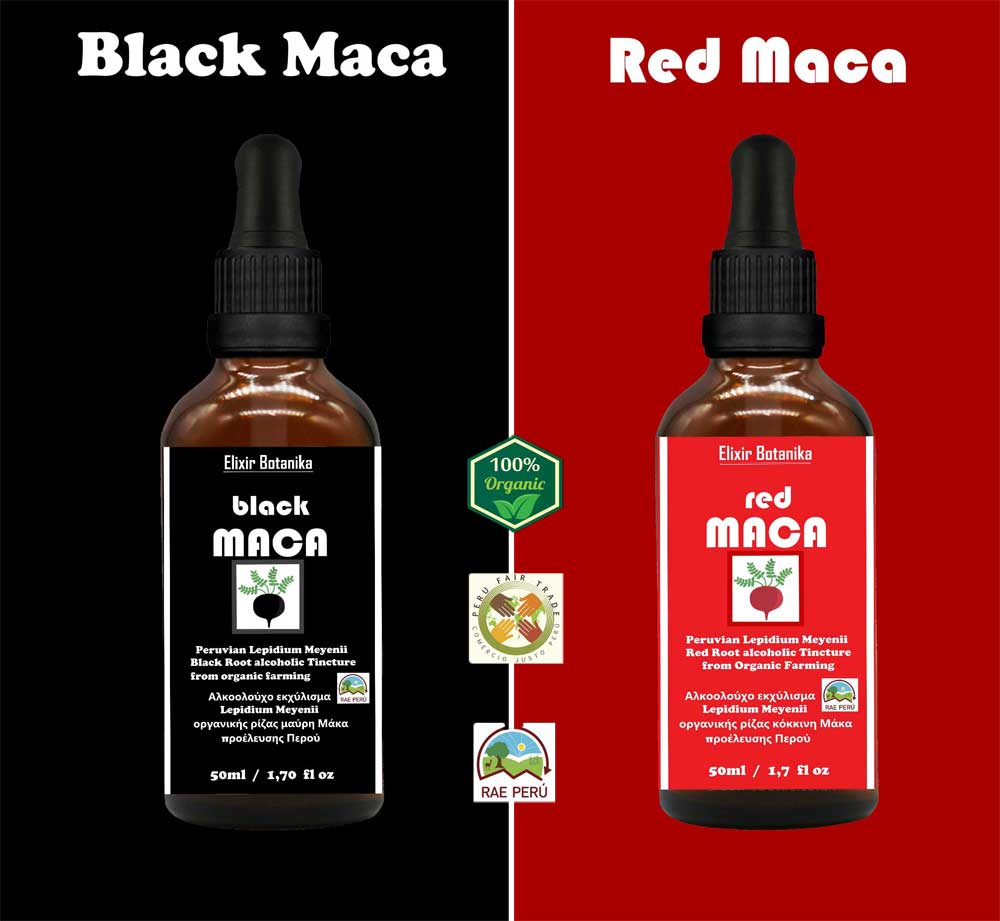
Black & red maca: how they differ and which one to choose

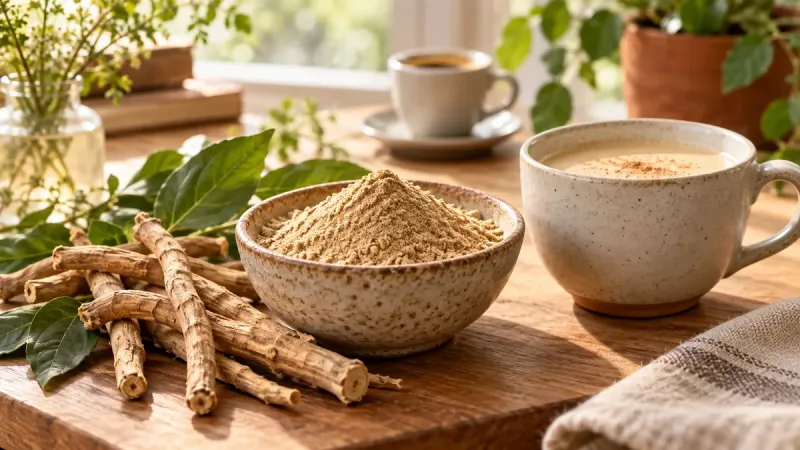
Maca (Lepidium meyenii) is a sacred root vegetable of the Brassicaceae family that grows only at around 4,000 metres above sea level, in a remote part of the Peruvian Andes. The Incas called maca "food for the brain" and considered it their most sacred plant, one that restored happiness and balance to the body in times of stress. What makes maca unique is that it grows in 3 colours, and seeds of any colour produce all 3 colours again. Yellow maca is the most common, while red and black are rarer.
Inca shamans believed that we are a blend of two forces, inner and outer, feminine and masculine.
Whether we are men or women, we all carry both energies. But the proportions we need of each differ, especially between men and women, and depending on what we want to support. In the traditional systems of the region, red maca is considered feminine and is used to nourish the inner systems. Black maca is masculine, uplifting and energising, and linked with outer energy.

Black maca represents the body's outer (masculine) energy
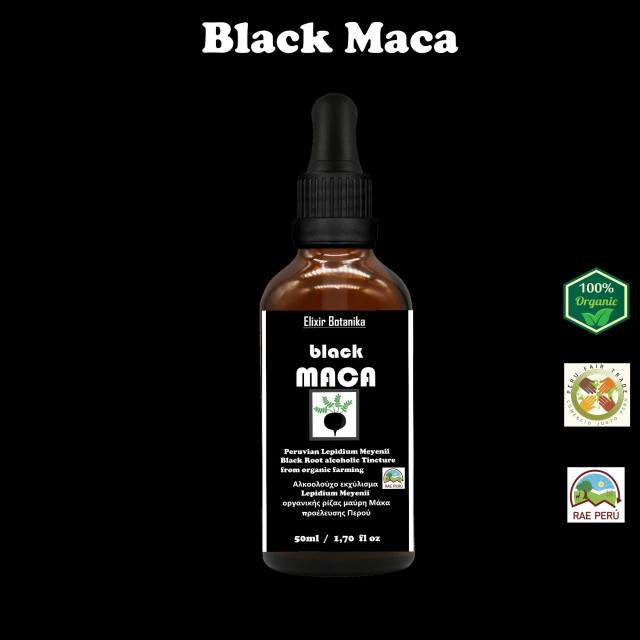
Black maca is the rarest form of maca (10–15%), considered the most sacred, and is traditionally used for deficiencies and long-standing imbalances. Black maca represents the outer energy of our body (the masculine side of maca), the energy that strengthens, gives vitality and gives direction. This is why black maca is traditionally used for cognitive performance (brain fog), brain function, energy, mental focus, mood, physical performance, male fertility, sexual function and libido. Black maca root looks after our whole outer being and masculine energy, like an uplifting, encouraging boost. Black maca is suitable for both men and women, in routines focused on long-standing or short-term imbalances and athletic and cognitive support.
Red maca represents the body's inner (feminine) energy
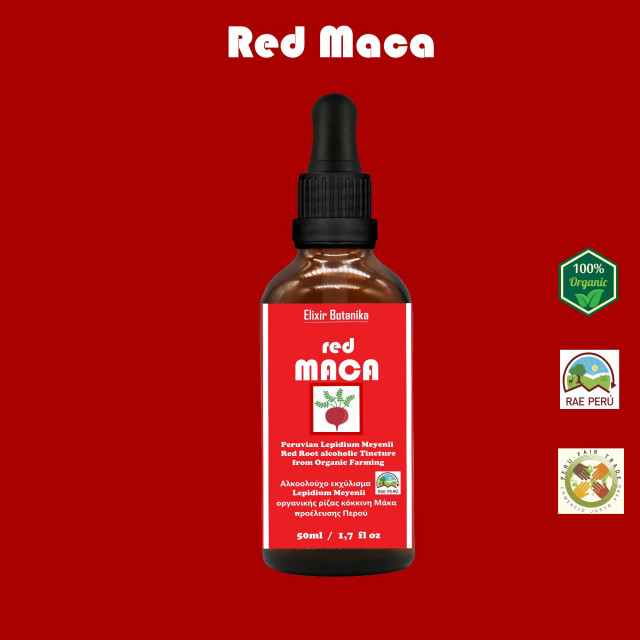
Red maca is rarer (20–25%) than yellow maca, is considered sacred, and is traditionally used for imbalances and long-standing concerns. Red maca root represents the inner energy of our body, the energy that nourishes, stabilises and calms (the feminine side of maca). This is why red maca is traditionally used in relation to stress, adrenal fatigue, osteoporosis (bone density), blood flow and blood oxygen, inflammation and autoimmunity, prostate function in men, hormonal balance and female fertility. Red maca root looks after our whole inner being and feminine energy, like a warm, loving hug from mum. Studies have found that red maca contains higher levels of bioactive compounds than yellow and black maca. Red maca is suitable for both men and women, in routines focused on long-standing or short-term imbalances.

Why is maca used, and what is it traditionally used for?
Maca is traditionally used for:
- the immune system
- stamina
- hormonal balance
- adrenal function
- blood flow and oxygenation
- sexual health
- fertility
- prostate function
- memory and concentration
- mood and stress
- skin health
- menopause symptoms
- osteoporosis (bone density)
- inflammatory conditions
- autoimmune conditions
It is suitable for both men and women.
A Fairtrade product
A product with a smaller environmental footprint and a meaningful social impact. Fairtrade is a global system that connects farmers and workers in developing countries with consumers and businesses around the world, with the aim of changing trade for the better: achieving sustainable and fair trading relationships.