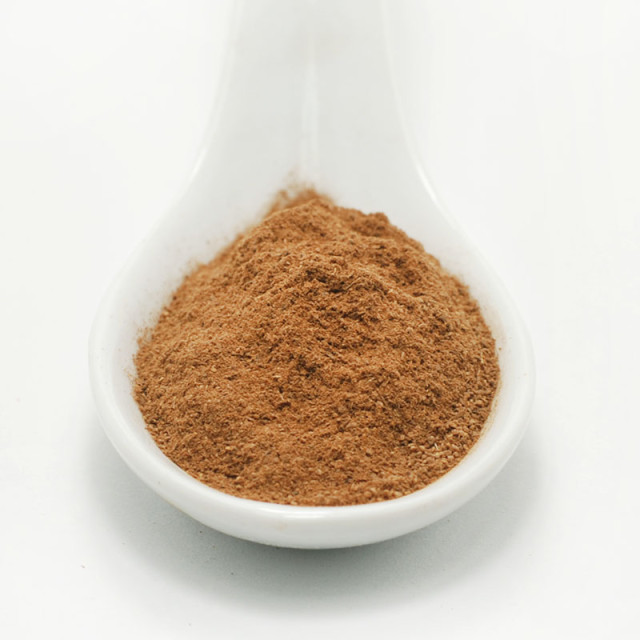
Organic ground Ceylon cinnamon
1.56€50 g · 3 weights

 Zoom
Medicinal & Therapeutic Herbs
Also known as: black cumin, black seed, nigella, black caraway, mavro kymino, mavrokouki.
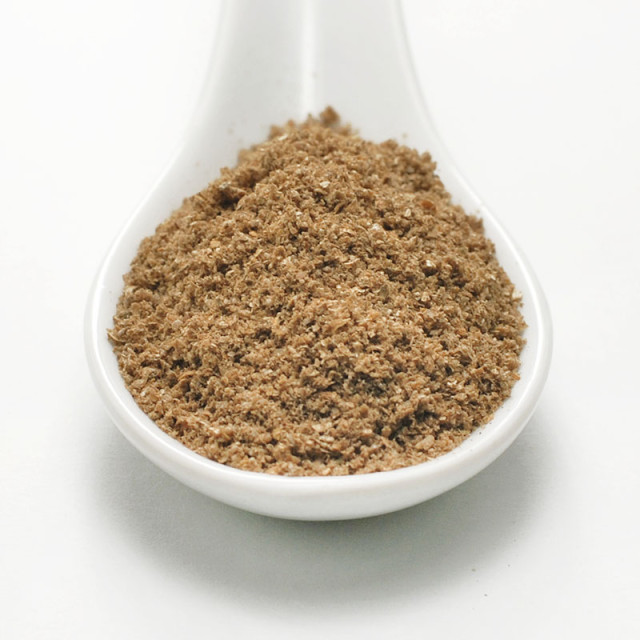
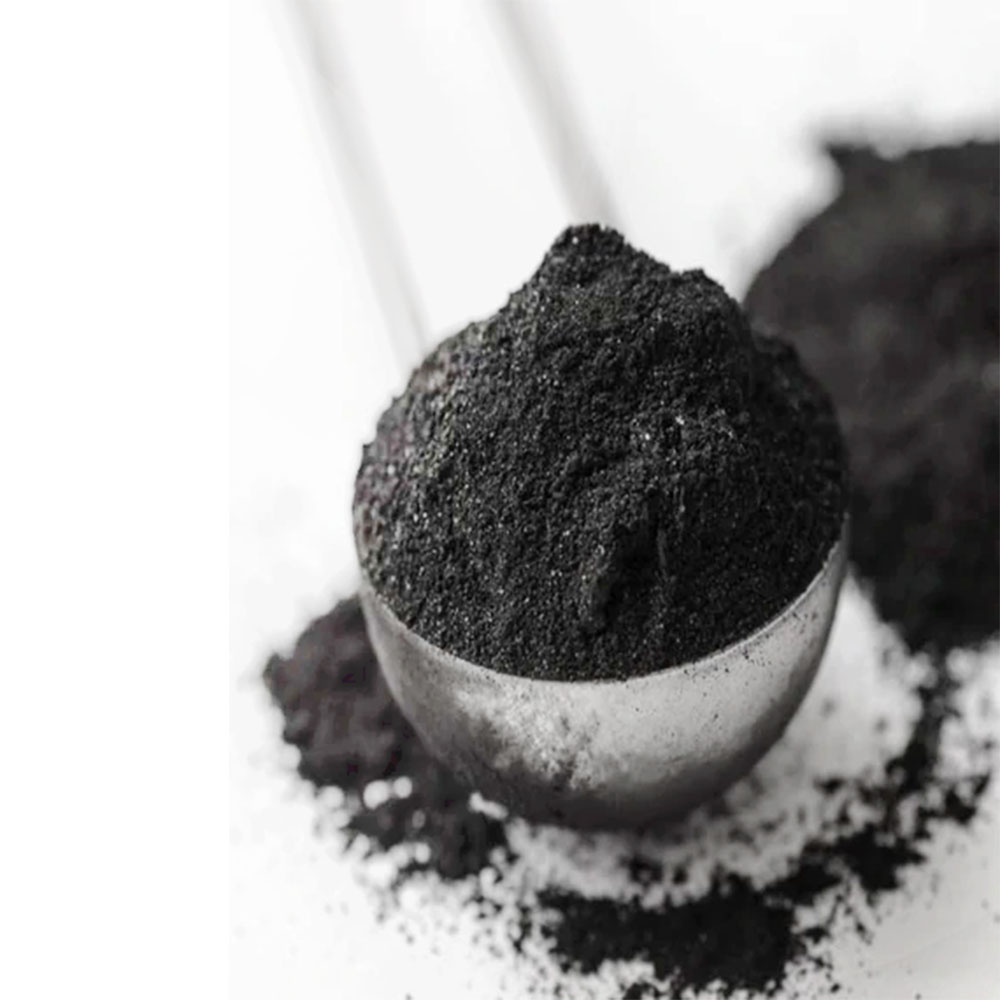
Black cumin is powder made from the aromatic seed of Nigella sativa. Used as a spice, it has an aromatic, warming, digestive, antispasmodic and mildly expectorant character.
Send us a message and we reply within one working day. Or call us on (+30) 2610 221354 during shop hours.
Send a message(+30) 2610 221354Black cumin is powder made from the aromatic seed of Nigella sativa. Used as a spice, it has an aromatic, warming, digestive, antispasmodic and mildly expectorant character.
Thymoquinone, nigellone, volatile oil, saponins and fatty acids have been studied in relation to inflammation, respiration, metabolism and microorganisms. Whole-seed powder offers the natural aromatic and nutritional profile of the spice.
Aromatic and digestive. The warm pungent seed is used for bloating, colic, gas and digestive comfort.
Antispasmodic and antiallergic. Traditional use and thymoquinone research concern smooth muscle, inflammatory mediators and allergic responses.
Expectorant and bronchodilating. Used in drinks and foods for cough and respiratory comfort.
Antimicrobial. Laboratory studies have examined bacteria, fungi and parasites using varying concentrations of oil or extracts.
Metabolic. Clinical reviews have examined glucose, lipids and blood pressure, mainly with measured preparations.
Traditional uses of the spice and modern studies of the oil, extracts and isolated thymoquinone have shown particular interest in digestion, respiratory wellbeing, inflammation, microbial balance and metabolism.
Recommended daily dosage
The powder may be added to water, a warm drink, yoghurt or food.
Heat releases aroma, but prolonged intense heating reduces volatile compounds. Powder oxidises faster than whole seed and should be stored tightly closed away from light and moisture.
Amounts are indicative and are based on traditional use and published herbal literature. For prolonged use or when taking medication, consult a healthcare professional.
Powder may irritate the stomach or cause an allergic rash. Avoid inhaling fine powder and stop if breathlessness, swelling or a generalised reaction occurs.
It may add to glucose- or blood-pressure-lowering effects and may influence clotting and drug metabolism. Seek advice with antidiabetic, antihypertensive or anticoagulant medicines, before surgery and in liver or kidney disease. During pregnancy, remain within ordinary culinary amounts.
For general toning and preventive use, take 1–2 g daily. For therapeutic / clinical use, take 2–3 g daily, divided into two servings.
Add it to water, a warm drink, yoghurt, bread, salads or pulses within the recommended daily amount.
Yes, because effects may be additive and monitoring may be needed.
Have you tried Black cumin seed powder? Tell us what you think.
1.56€50 g · 3 weights
1.47€100 g · 2 weights
0.65€50 g · 3 weights
0.55€50 g · 3 weights