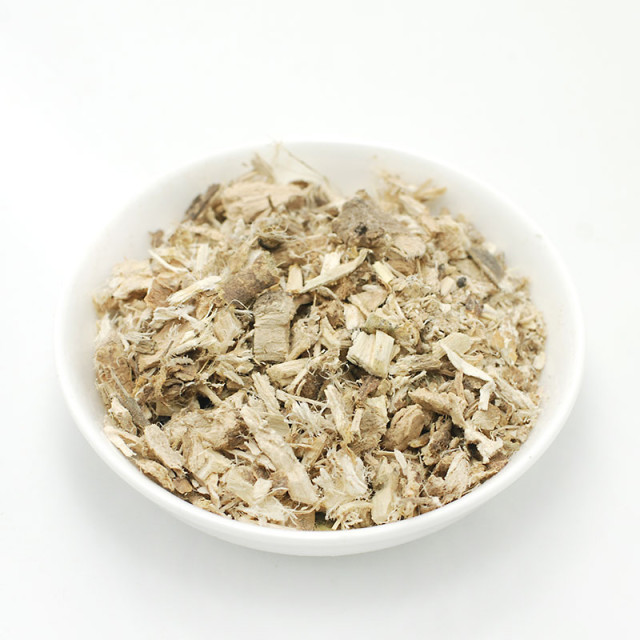
Root decoction
2–6 g of dried root in 250 ml water. Simmer 10–15 minutes, strain. Drink 2–3 times daily, between meals.

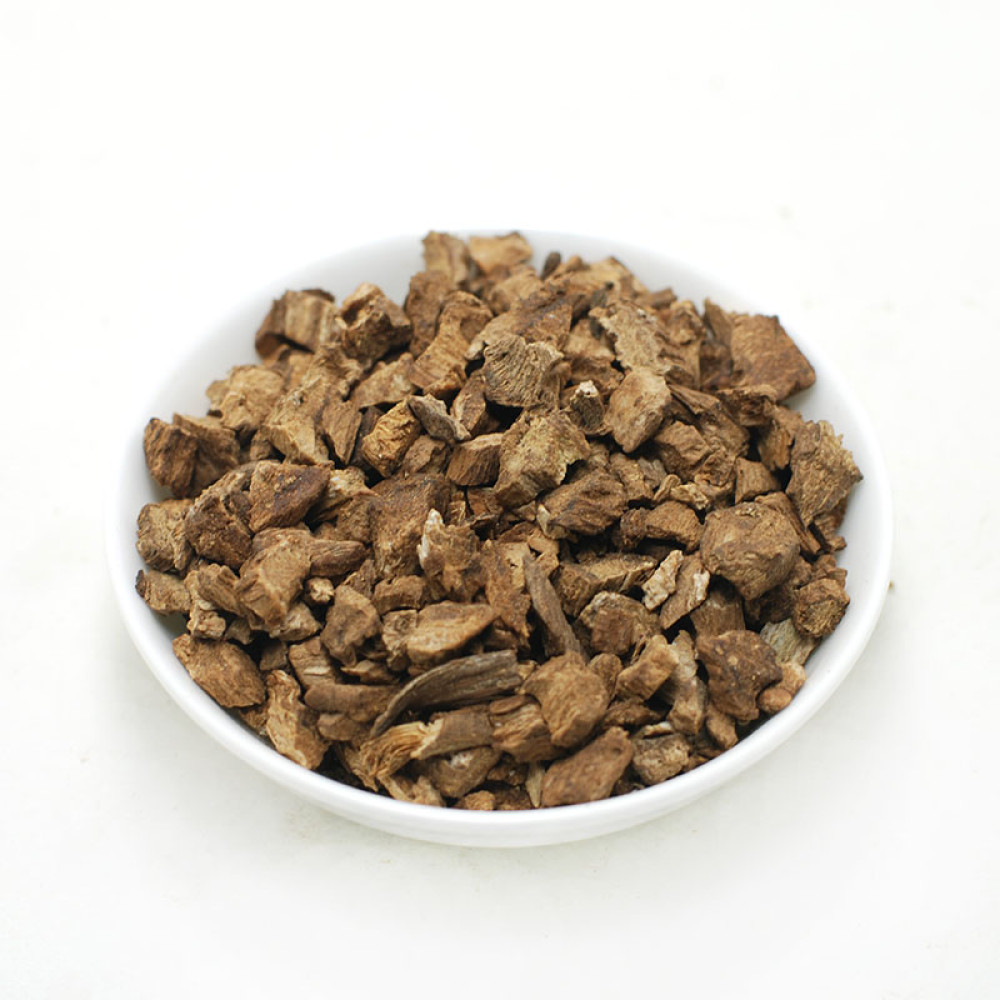 Zoom
Medicinal & Therapeutic Herbs
Arctium lappa L.
Also known as: Greater Burdock, Beggar's Buttons, Gobo (Japanese), Lappa.
Burdock is a biennial plant of the Asteraceae family, native to Europe and northern Asia. Farmers know it for its hooked burrs that stick to clothing. Its root has been traditionally used for skin conditions, as support for the liver and lymphatic system, and in natural detoxification.
Send us a message and we reply within one working day. Or call us on (+30) 2610 221354 during shop hours.
Send a message(+30) 2610 221354Burdock is a biennial plant of the Asteraceae family, native to Europe and northern Asia. Farmers know it for its hooked burrs that stick to clothing. Its root has been traditionally used for skin conditions, as support for the liver and lymphatic system, and in natural detoxification. It is one of the 4 herbs of the famous Essiac Tea.
The root is naturally rich in inulin (prebiotic polysaccharide, up to 45%), bitter compounds, polyacetylenes (arctigenin), tannins, dietary fibre and trace minerals (manganese, copper, iron). Considered one of the key "blood-purifying" herbs of traditional European phytotherapy. Traditional phytotherapy describes it as cleansing, mildly diuretic, antibiotic and antiseptic. In contemporary terms, antimicrobial and traditionally detoxifying more accurately frame this herbal interest.
Traditionally, burdock root is used for:
as support for liver and lymphatic function, and in arthritic conditions with a toxic background. Its uses are associated with natural detoxification and skin support “from within”. In contemporary herbal practice, it is associated with uses focused on this internal support.
Burdock is one of the four herbs in traditional Essiac Tea, a blend composed by Canadian nurse Rene Caisse in the 1920s, with a long history in herbal tradition. Its historical association with complementary approaches in cancer belongs exclusively in a medical setting and requires medical guidance.
2–6 g of dried root in 250 ml water. Simmer 10–15 minutes, strain. Drink 2–3 times daily, between meals.
Strong decoction (10 g in 250 ml), lukewarm, in compresses twice daily.
The quantities are indicative and are based on traditional use and published phytotherapy literature. For prolonged use or when taking medication, consult a qualified healthcare professional.
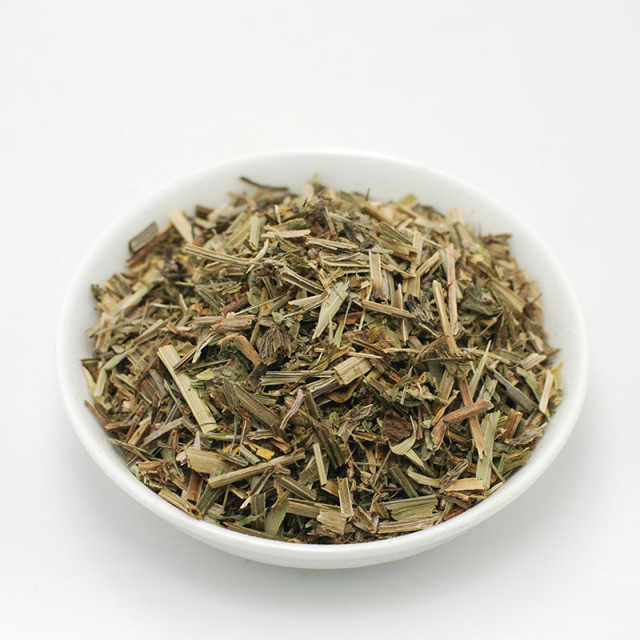
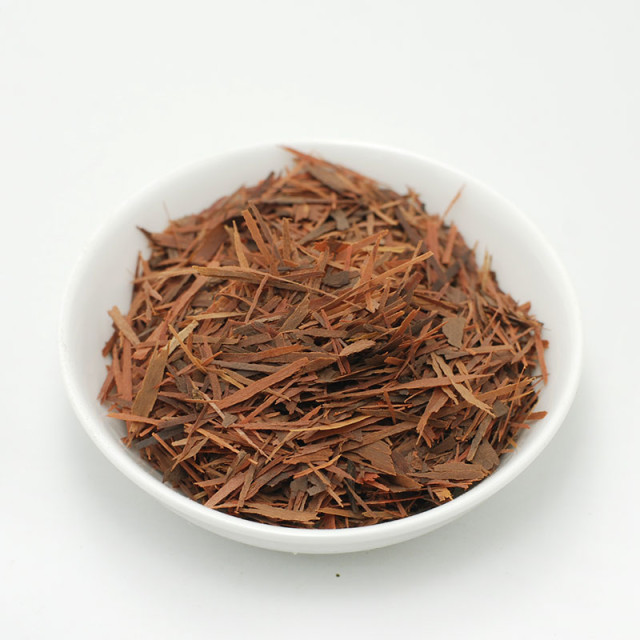
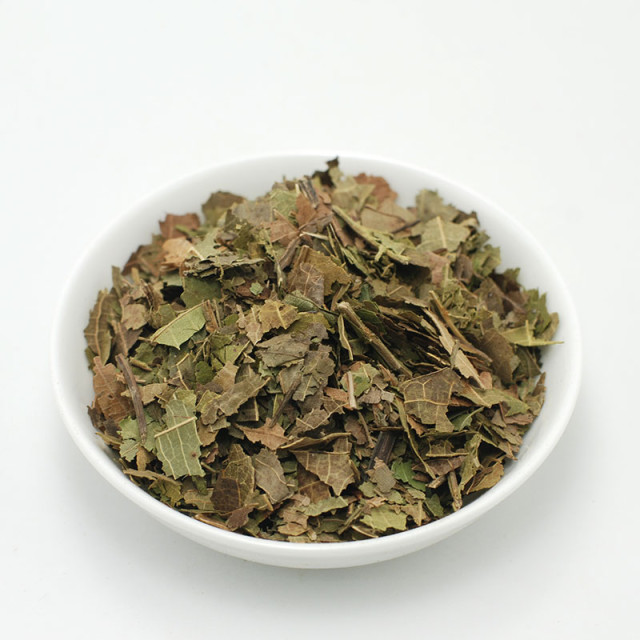
For liver / detox: with dandelion, milk thistle, chicory. For skin "from within": with wild pansy (Viola tricolor), nettle, walnut leaf. In traditional Essiac: with Indian rhubarb root, sheep sorrel and the inner bark of slippery elm.
Burdock root is one of Essiac's four herbs, together with Indian rhubarb root (Rheum palmatum), sheep sorrel (Rumex acetosella) and the inner bark of slippery elm (Ulmus fulva).
Western herbalism historically linked burdock with uses focused on the liver, lymphatic system and normal elimination. This does not mean literal blood cleansing.
Fresh burdock root, known as gobo, is used in Japanese cooking. This product is dried root for herbal preparation, not a fresh vegetable.
Have you tried Burdock root? Tell us what you think.
3.10€50 g · 3 weights
2.55€50 g · 3 weights
3.85€50 g · 3 weights
3.10€50 g · 3 weights