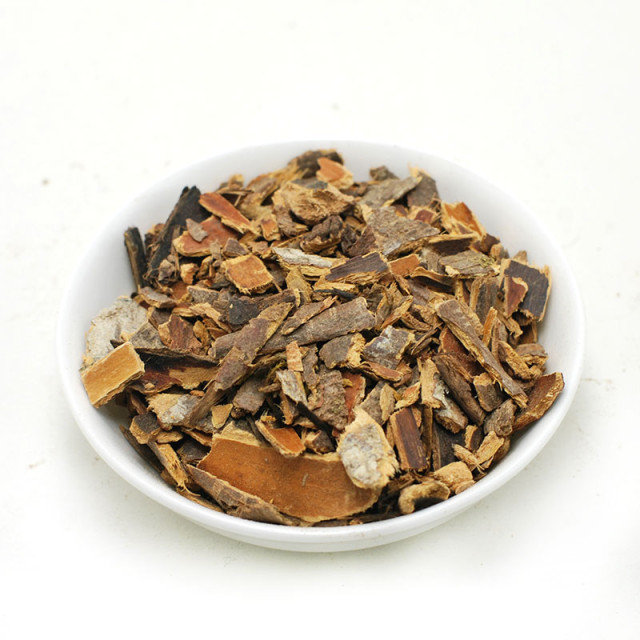
Cascara sagrada bark
4.15€50 g · 3 weights

 Zoom
Medicinal & Therapeutic Herbs
Rheum palmatum L.
Also known as: Chinese rhubarb, Turkey rhubarb, da huang. In Greek: κινέζικο ραβέντι, ρηοφοίνικας.
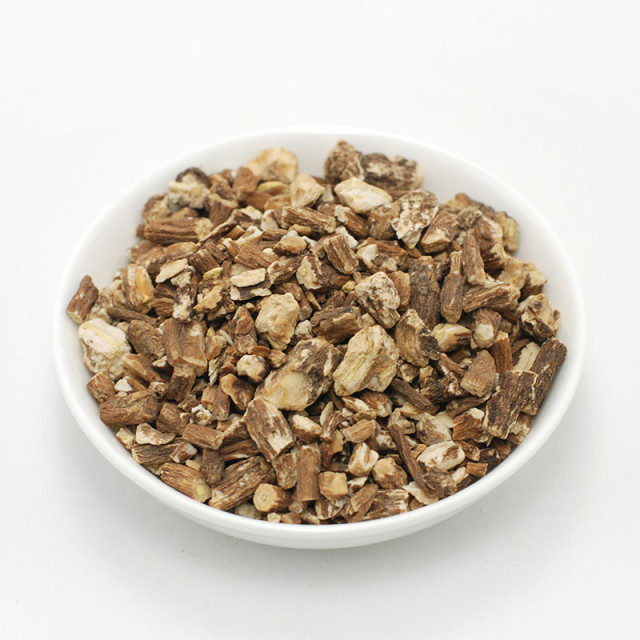
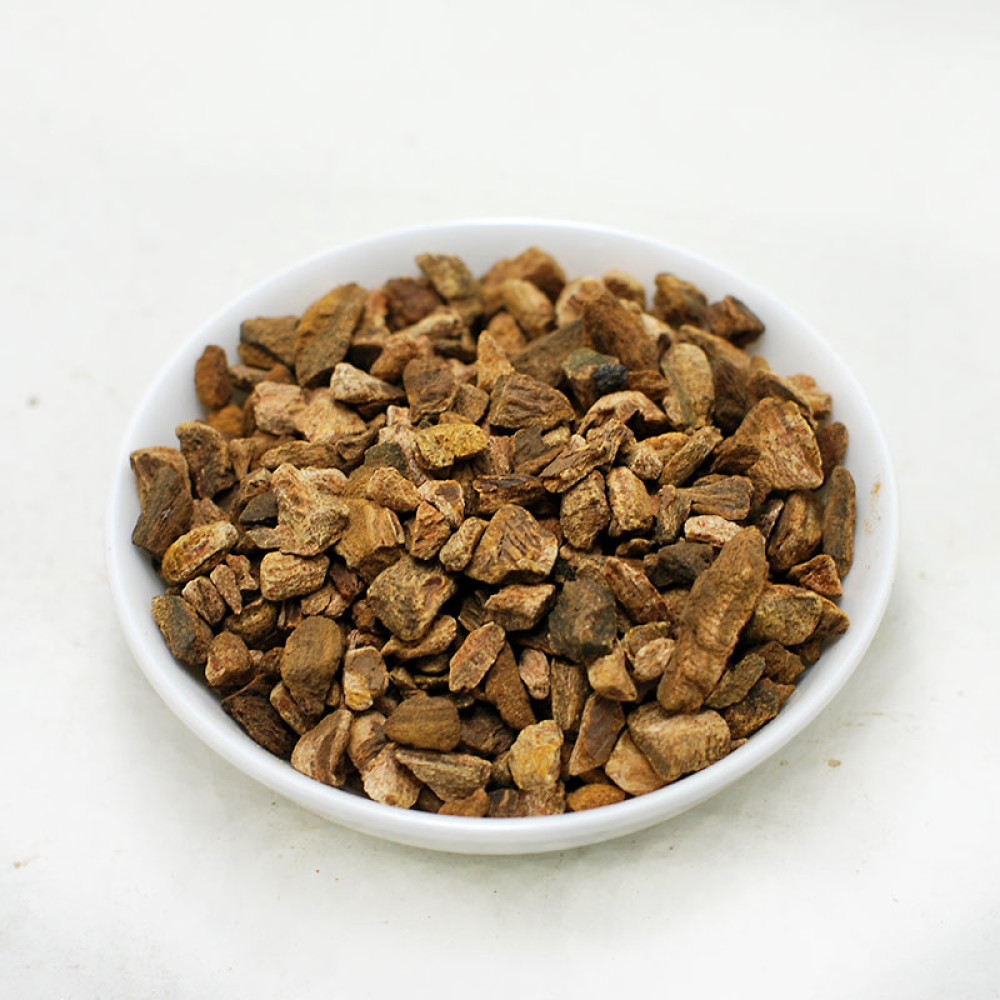
This rhubarb product is the dried root and rhizome of Rheum palmatum, the identity approved for this item. It is not the stalk of culinary garden rhubarb. The pharmacognostic root is intensely bitter and contains hydroxyanthracene derivatives and tannins.
Send us a message and we reply within one working day. Or call us on (+30) 2610 221354 during shop hours.
Send a message(+30) 2610 221354This rhubarb product is the dried root and rhizome of Rheum palmatum, the identity approved for this item. It is not the stalk of culinary garden rhubarb. The pharmacognostic root is intensely bitter and contains hydroxyanthracene derivatives and tannins.
That combination underlies a traditional distinction: small quantities emphasise tannin astringency, whereas larger amounts allow anthranoids to stimulate the bowel. This does not make improvised dose escalation safe.
The laxative effect generally begins several hours after intake and is relevant only to occasional constipation. Astringent and bitter qualities were historically connected with digestion, diarrhoea and bile-flow practices. Other claims remain folkloric or preliminary.
Traditional and research references include:
Decoction: use ½–1 teaspoon root per cup, briefly simmered. For laxative use choose the lowest effective amount, preferably in the evening, for no more than 7 days. Do not increase the amount because there is no immediate result, and do not use it for weight loss or “detox”.
The quantities are indicative and based on traditional use and published herbal medicine literature. For extended use or while taking medication, consult a healthcare professional.
Do not combine with stimulant laxatives such as senna, aloe or cascara, as cramps, diarrhoea and electrolyte loss become more likely. Water, dietary fibre and movement are preferred for long-term bowel regularity.
Avoid during pregnancy, breastfeeding, childhood and adolescence, and with bowel obstruction or narrowing, ileus, unexplained abdominal pain, nausea, vomiting, Crohn’s disease, ulcerative colitis, severe dehydration or kidney disease. Prolonged use may lead to laxative dependence and potassium imbalance. Check interactions with diuretics, corticosteroids, cardiac glycosides and antiarrhythmics. Blood in stool or persistent constipation needs medical assessment.
No. This is pharmacognostic Rheum palmatum root, not the edible garden-rhubarb stalk.
Anthranoids act after several hours, so the dose must not be repeated hastily.
Only short term and no longer than 7 days without medical guidance.
Have you tried Chinese rhubarb root? Tell us what you think.
4.15€50 g · 3 weights
3.50€50 g · 3 weights
4.25€50 g · 3 weights
2.75€50 g · 3 weights