HerbsImmuneNutritionSuperfoods
Chlorella: The Green Superfood
Chlorella, the green superfood
Oxygenate and nourish your body

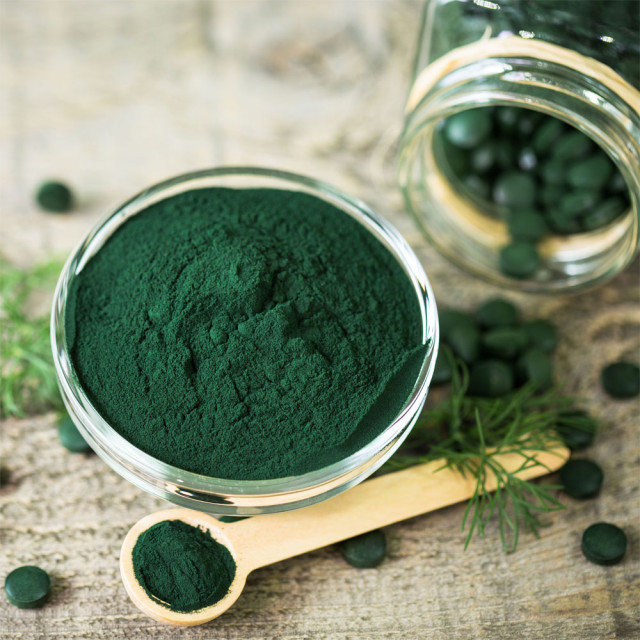
Chlorella is a single-celled freshwater alga (like spirulina) whose chloroplasts are full of the green photosynthetic pigments chlorophyll a and b. That deep green colour is a sign of just how much goodness it packs.
Why chlorella is so popular
- It is highly nutritious: protein, vitamins, minerals, antioxidants and omega-3.
- It has been studied for its ability to bind heavy metals, which has made it a favourite in cleansing routines.
- It is a classic for the immune system.
- It is naturally rich in antioxidants.
- Research has looked at its effect on cholesterol, blood pressure and blood sugar levels.
- It has been studied for respiratory conditions and aerobic endurance (oxygen saturation in the lungs).

A single spoonful gives you a whole range of vitamins (A, C, B1, B2, B5, B6, B12), trace elements, protein, fatty acids, chlorophyll, fibre and many other nutrients, including antioxidants and amino acids: a true green multivitamin from nature.
It is one of the best-loved cleansing foods, and researchers have studied its ability to bind toxins and heavy metals and help the body eliminate them.
A nutritional powerhouse, chlorella has long been taken to support the immune system. Research has also looked at it in relation to high blood pressure and blood cholesterol levels, and it is traditionally used for ulcers, colitis and constipation.
It is also popular with people watching their weight, with research on how it affects the build-up of fat in fat cells.

How to use & how much
1–2 teaspoons a day for general wellbeing, in a glass of water, your juice or your favourite drink, such as almond or rice milk. It also works beautifully in green smoothies. For specific needs, the amount can be increased under the guidance of a specialist.
Good to know: chlorella is naturally rich in vitamin K, so if you take blood thinners, or medicines that affect the immune system, speak to your doctor first. Ask your doctor during pregnancy or breastfeeding, and avoid it if you are allergic to algae.