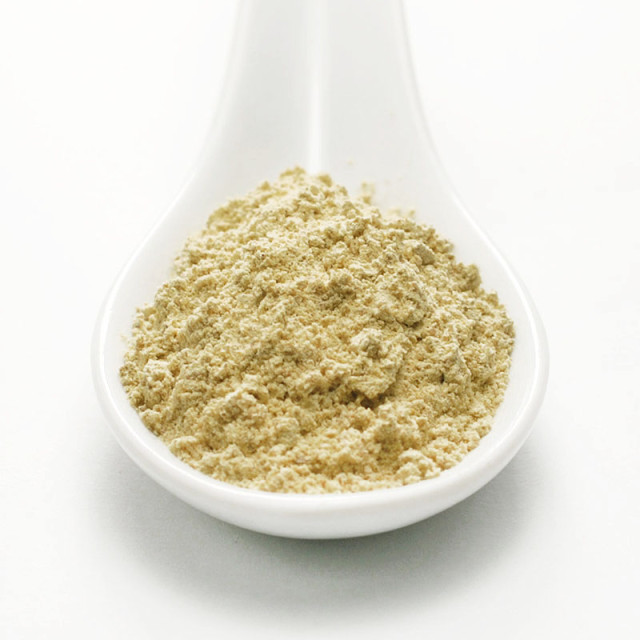
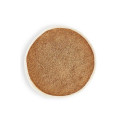
Root as powder
For osteoarthritis and rheumatoid arthritis: 4.5–10 g of powdered root per day, divided into 2–3 doses, dissolved in water or juice. This corresponds to roughly 50–100 mg of harpagoside daily.

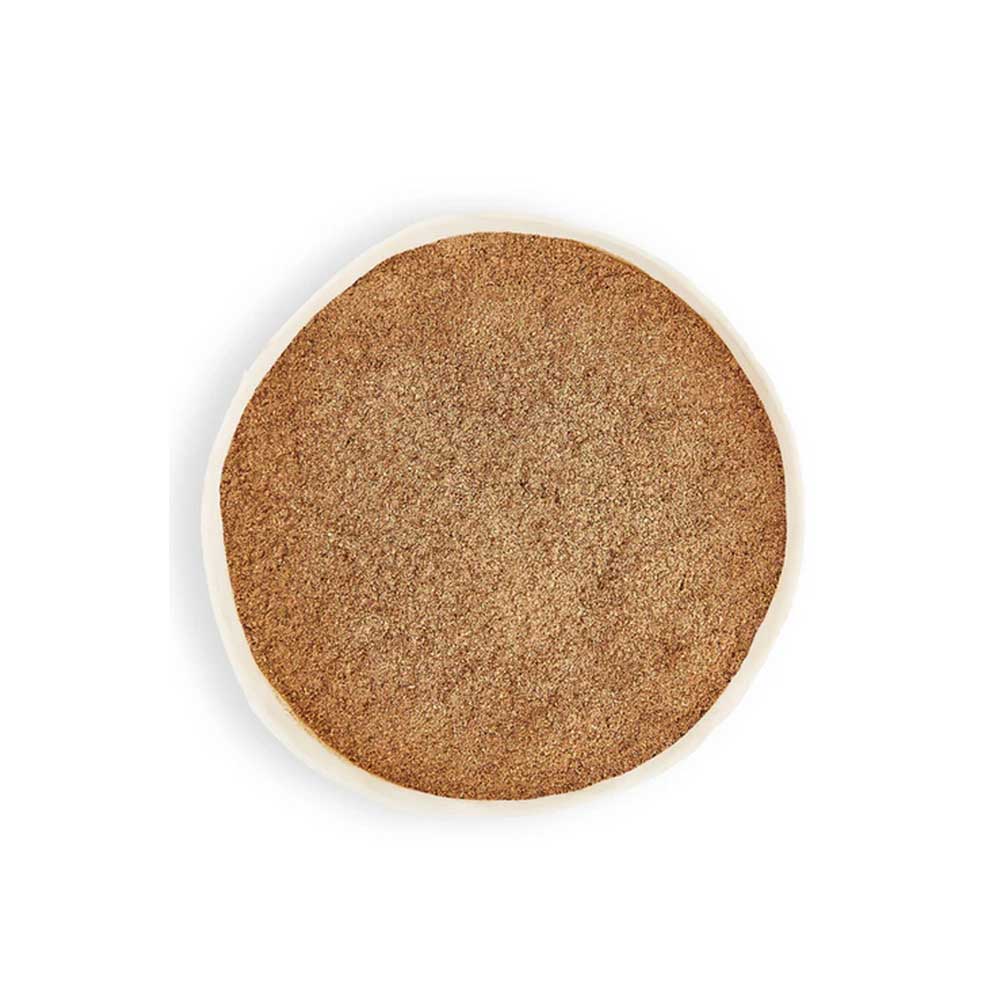 Zoom
Medicinal & Therapeutic Herbs
Harpagophytum procumbens (Burch.) DC. ex Meisn.
Also known as: devil's claw, harpago, grapple plant, woodspider, Harpagophytum procumbens, arpagofyto (transliteration).
Devil's claw (Harpagophytum procumbens) is a plant native to southern Africa, particularly the Kalahari Desert, Namibia and Botswana. Its root powder is among the best-documented plant materials for arthritic pain, osteoarthritis and low back pain.
Send us a message and we reply within one working day. Or call us on (+30) 2610 221354 during shop hours.
Send a message(+30) 2610 221354Devil's claw (Harpagophytum procumbens) is a plant native to southern Africa, particularly the Kalahari Desert, Namibia and Botswana. Its root powder is among the best-documented plant materials for arthritic pain, osteoarthritis and low back pain. The name "devil's claw" comes from its distinctive fruits, covered in grapple-like hooked protrusions.
Anti-inflammatory, analgesic, bitter digestive tonic. The character of the root is defined by iridoid glycosides, with harpagoside as the principal marker.
For symptomatic relief of arthritic pain, osteoarthritis, rheumatoid arthritis, low back pain and lumbago, as well as for dyspepsia without heartburn thanks to its bitter character.
In regular daily use for musculoskeletal complaints — the action is cumulative and usually assessed after 2–4 weeks of continuous use, not immediately. In smaller amounts before meals, as a bitter to stimulate digestion.
For arthritic pain, traditionally with white willow and turmeric for complementary profiles of action. With nettle leaf as a tea for rheumatic complaints. As a digestive bitter it combines with gentian and dandelion.
For osteoarthritis and rheumatoid arthritis: 4.5–10 g of powdered root per day, divided into 2–3 doses, dissolved in water or juice. This corresponds to roughly 50–100 mg of harpagoside daily.
Simmer 1 teaspoon of powder in 1 cup of water for 10–15 minutes. Drink in 2–3 doses per day.
A smaller amount, roughly 0.5–1 g of powder, 15–30 minutes before a meal.
For musculoskeletal complaints: cycles of 8–12 weeks. If there is no improvement after 4 weeks of regular use, reassessment by a health professional is needed.
The amounts given are indicative, based on traditional use and published phytotherapy literature. For prolonged use or if you are on medication, consult a qualified health professional.
As a bitter herb, it is not taken by people with stomach ulcers, heartburn or gastritis — it stimulates gastric acid secretion. People with gallstones should consult a doctor before use. It is contraindicated in pregnancy because of possible oxytocic action; not recommended during breastfeeding. It may enhance the effect of anticoagulants (warfarin) and affect glucose levels — monitoring is required under antidiabetic therapy. Possible interaction with antiarrhythmics and drugs metabolised by CYP2C9 and CYP3A4. Not given to children under 18 without medical direction. Discontinue at least 2 weeks before surgery.
It is not immediate. The effect on arthritic pain is cumulative and is usually assessed after 2–4 weeks of regular daily use. If there is no difference after 4 weeks, reassessment is needed.
4.5 to 10 g per day, divided into 2–3 doses in water or juice. Start at the lower end and increase gradually, so you can see how your stomach tolerates it.
Because it is a bitter herb: it stimulates gastric acid secretion. That helps digestion but aggravates ulcers, gastritis and reflux. This is why devil's claw is taken with food when the stomach is sensitive.
Have you tried Devil's claw root powder? Tell us what you think.
1.66€50 g · 3 weights
3.70€50 g · 3 weights
1.66€50 g · 3 weights
0.66€50 g · 3 weights