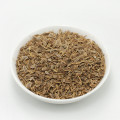
Fruit (“seed”) infusion
The traditional total daily amount is 3 g of lightly crushed fruits. Divide it between up to 3 infusions, for example 1 g per cup, cover for 10 minutes and drink after food.

 Zoom
Medicinal & Therapeutic Herbs
Anethum graveolens L. (fructus)
Also known as: Dill Fruit.
Dill seeds (fruits) are the mature part of the plant, with a more intense and concentrated aroma than the leaves. Traditionally used as a spice in pickles, bread and in medicinal infusions for digestion and bloating.
Send us a message and we reply within one working day. Or call us on (+30) 2610 221354 during shop hours.
Send a message(+30) 2610 221354Dill seeds (fruits) are the mature part of the plant, with a more intense and concentrated aroma than the leaves. Traditionally used as a spice in pickles, bread and in medicinal infusions for digestion and bloating.
The seeds are naturally rich in essential oil (up to 4%, mainly carvone 40–60%, limonene, α-phellandrene), fatty oils, proteins and flavonoids. Carvone has documented antispasmodic action on digestion.
In traditional European phytotherapy, dill seeds have been documented for:
as well as a galactagogue. Also used for oral hygiene (chewing seeds after meals).
Traditionally appreciated in supporting digestion and reducing gas after heavy meals. Older “gripe water” infusions for babies belong to historical use. The seeds are also used with courgettes, beetroot, carrots, soups, minced meat, white cheeses, eggs and fish marinades.
It flavours pickles (especially cucumbers), rye bread, yoghurt and fish. Internationally, the main producing countries include India, followed by China, Mexico and Spain.
The traditional total daily amount is 3 g of lightly crushed fruits. Divide it between up to 3 infusions, for example 1 g per cup, cover for 10 minutes and drink after food.
A small amount may be chewed after a meal or used freely as a spice and in pickling.
The quantities are indicative and are based on traditional use and published phytotherapy literature. For prolonged use or when taking medication, consult a qualified healthcare professional.
As digestive infusion: with anise, fennel, cumin, lemon balm, chamomile. In cooking/pickling: with mustard, black pepper, bay leaf, garlic.
Seeds have a more concentrated, intense aroma and are better for pickles and infusions. Leaves give fresh, mild aroma and are used more in cooked dishes.
Yes, light crushing with a mortar or between two spoons releases the essential oil and improves extraction.
The essential oil has mild antimicrobial action, helping preserve the pickles. It also gives the characteristic "dill pickle" aroma.
Have you tried Dill seed? Tell us what you think.
0.75€50 g · 3 weights
0.45€50 g · 3 weights
1.25€50 g · 3 weights
0.75€50 g · 3 weights