Does Cutting Sugar from Your Diet Starve Cancer Cells?
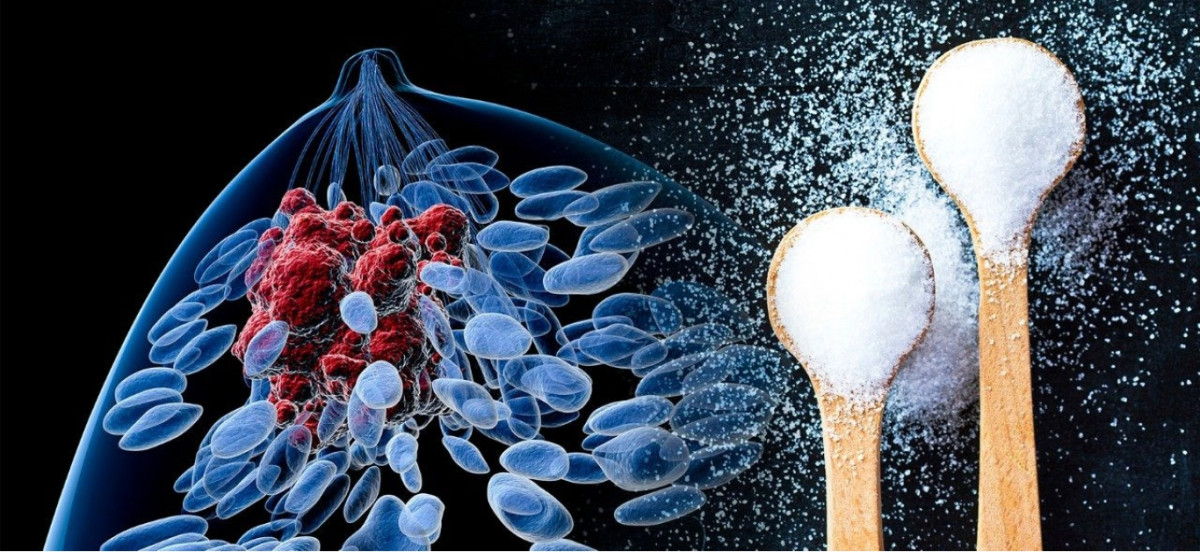
Does cutting sugar from your diet starve cancer cells?
What a study found about the role of sugar in cancer cells
A study published in 2018 showed that sugar deprivation can lead some cancer cells to die. The research was carried out by scientists at Duke-NUS Medical School in Singapore (a partnership between Duke University and the National University of Singapore), led by Associate Professor Koji Itahana, in collaboration with a team from the University of Vienna. The study offers a new explanation of how a lack of sugar can trigger the death of cancer cells.
The study, published in the journal Science Signaling, describes a new mechanism of cell death: how sugar deprivation can set off a reaction that forces cancer cells to die. It builds on earlier research showing that fast-growing cancer cells need more sugar than healthy cells.
The researchers found that in certain cancer cells, sugar is not only a source of energy but also plays a role in their survival. This was a previously unknown role of sugar in cancer cells.
They also found that when cancer cells are deprived of sugar, a change in voltage across the cell membrane lets more calcium ions flow into the cells, which eventually causes them to die. The study used two types of cancer cells: one with extra glucose reserves and one without. Both were exposed to a "double attack": first with STF-31, a compound that blocks the transport of glucose into cells, and then with thapsigargin, which raises calcium levels inside cells. The team found that the cancer cells with extra glucose were unaffected, while those with limited reserves died.
The team believes this approach could one day be used in targeted cancer therapies. In the experiments, combining sugar deprivation with higher calcium levels inside the cells destroyed the cancer cells while leaving healthy cells intact. Only some types of cancer cells lost the ability to maintain their intracellular sugar levels, which explains why the approach applies only to cancers that are sensitive to sugar deprivation.
"Because these phenomena are not observed in normal, healthy cells, this inability of some tumours to maintain intracellular glucose levels could be an unexpected 'Achilles heel' that can be targeted therapeutically," the researchers said, as reported by Cosmos magazine. "A molecular signature of cancers with a reduced ability to maintain intracellular glucose would help develop this strategy for clinical use."
Building on these results, the team plans further research towards future therapies.
Please note: this study was carried out on cancer cells in the laboratory, using pharmaceutical compounds; it did not look at diet. It does not show that cutting sugar from your diet "starves" tumours in people. For any question about cancer, please speak to your doctor.

Other downsides of eating sugar
One of the main reasons for high sugar intake is added sugar. Unlike the natural sugars found in fresh fruit and vegetables, the added sugars in processed foods and drinks overload the body and significantly raise the risk of disease.
Here are some of the risks of eating added sugars:
- They provide no real nutrients beyond calories. Regularly eating these "empty" calories can lead to significant nutrient deficiencies.
- They can put a strain on your liver. Sugar is broken down into glucose and fructose in the body. Eating a lot of added sugar means taking in large amounts of fructose, which is turned into fat in the liver. This can lead to fatty liver and other conditions.
- They can contribute to obesity in both children and adults. Because of the way added sugars affect the brain, we feel less satisfied after eating them, which leads us to eat more.
Sources: Science, Sciencedaily, CosmosMagazine, HealthLine
We read about it on holisticlife.gr (in Greek).