Free shipping in Greece over €49 (first 3 kg)

Shipping to the EU · free over €200 (first 2 kg)

Medicinal & Therapeutic Herbs

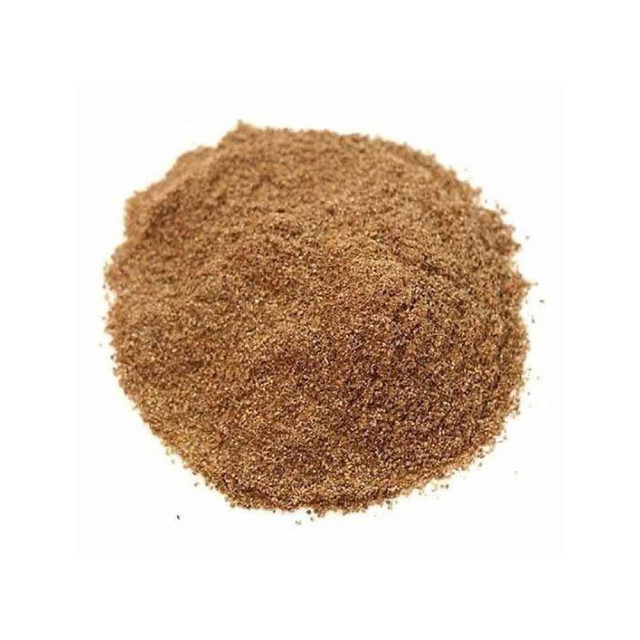
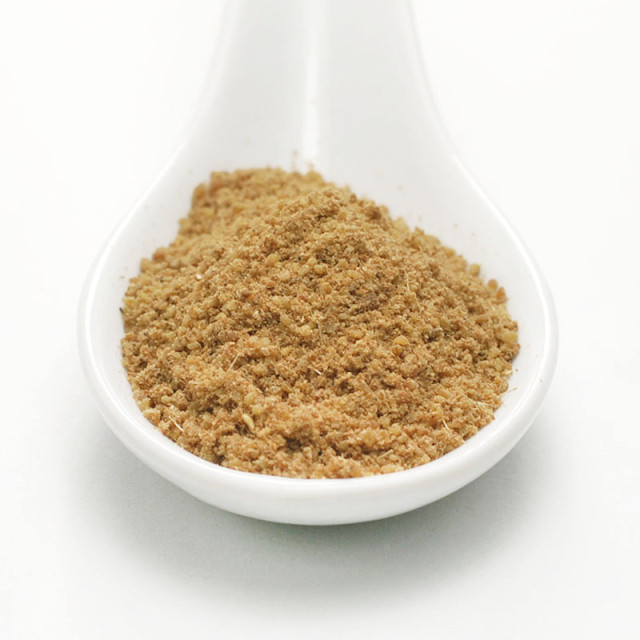
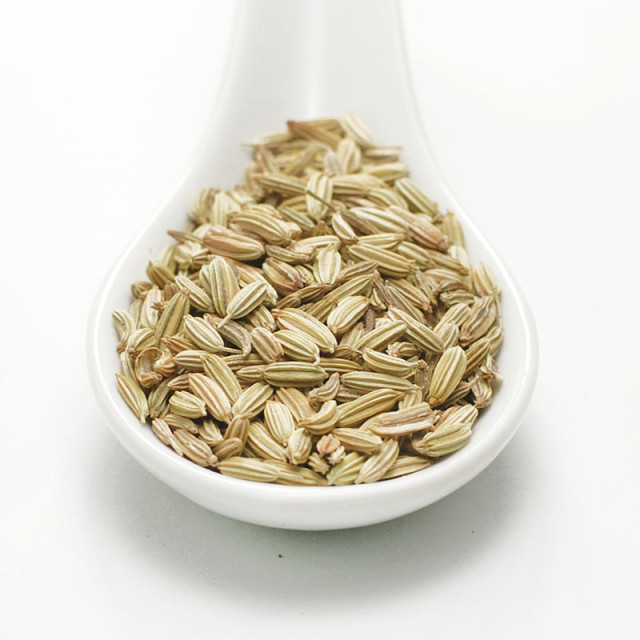
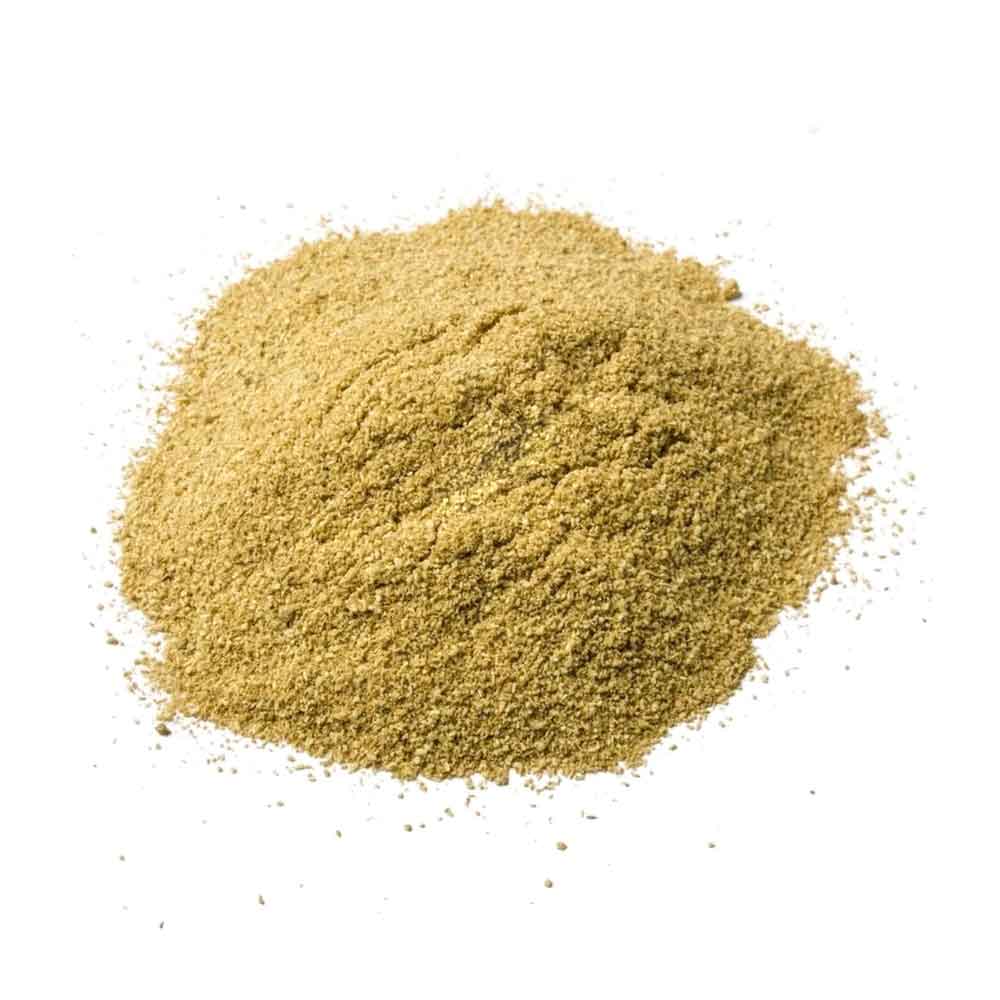
Greek fennel seed, ground

Foeniculum vulgare Mill.

Also known as: Fennel, sweet fennel, marathos, finocchio.

Fennel seed is the fruit of the fennel plant, ground, from Greek production. It is among the most classic digestive herbs: it concerns those interested in bloating and colic, and equally in cough and bronchitis. It is used just as much as a spice.

See the full description ↓

Write the first review Code: BMX-0167b
0.75€ 15.00€ / kg Price includes VAT

Weight 50 g

In stockShips by courier in 1–2 working days

Shipping options

  • EU countries: DHL from €18 · free over €200 (first 2 kg, by volumetric weight)
  • Cyprus: ACS, BOX NOW or DHL · free with ACS or BOX NOW over €99
  • Greece: ACS or ELTA to your door from €4.00 · ACS or BOX NOW lockers from €2.40 · free over €49 (first 3 kg)
  • Usually dispatched within 1–2 business days

Everything about shipping and delivery →

Payment methods

  • Card, Google Pay, Apple Pay, with no extra charge
  • Cash on delivery (Cyprus and Greece): ACS +€2.50 · ELTA +€3.50
  • IRIS or bank transfer (Greece only)

Everything about payment methods →

Have a question about Greek fennel seed?

Send us a message and we reply within one working day. Or call us on (+30) 2610 221354 during shop hours.

Send a message(+30) 2610 221354

What it is

Fennel seed is the fruit of the fennel plant, ground, from Greek production. It is among the most classic digestive herbs: it concerns those interested in bloating and colic, and equally in cough and bronchitis. It is used just as much as a spice.

Key properties

The fruit is characterised as carminative, antispasmodic, a digestive stimulant, expectorant and galactagogue, with additional calming and aromatic action. This character rests on the essential oil, with anethole as the main component, together with fenchone, flavonoids and hydroxycinnamic acids. Anethole relaxes the smooth muscle of the gut, which produces both the antispasmodic and the carminative effect.

Uses

Who it is for

Fennel seed is traditionally associated with flatulence and colic, with irritable bowel and dyspepsia, with bronchitis and cough, with fluid retention and oedema, with nausea and vomiting, and with conjunctivitis and blepharitis. It helps breastfeeding women produce more milk — a traditional use for which the EMA has insufficient safety data.

How it is commonly used

The infusion is drunk before or after meals depending on the aim. In culinary use fennel seed goes into sweets, breads, meat dishes and stews. The same infusion, cooled, is traditionally used for compresses on closed eyelids — never as a wash or as drops into the eye.

Preparation and dosage

Infusion

Half to one teaspoon of lightly crushed seeds — about 1.5–2.5 g — in a cup of hot water for 10 minutes, covered. Strain and drink 3 times daily. For flatulence take it before meals. Daily total up to 7.5 g. Self-treatment does not exceed two weeks of continuous use.

Eye compress

With the cooled, well-strained infusion, on closed eyelids, for eye inflammation. Use clean gauze each time.

Quantities are indicative, based on traditional use and published herbal literature. For prolonged use or if you are on medication, consult a health professional.

Precautions

Fennel seed is considered safe in culinary amounts. In therapeutic amounts it is not recommended for children under four, nor in pregnancy and breastfeeding, as the anethole and estragole in the essential oil lack sufficient safety data for these groups — despite the traditional galactagogue use. Continuous use is limited to two weeks. Pure essential oil is not given to infants. Allergic reactions are reported in people sensitive to the carrot family, such as celery, carrot and mugwort. Persistent cough, persistent bloating or eye inflammation need medical investigation.

Frequently asked questions

Is the infusion taken before or after food?

For flatulence and bloating, before meals. For heavy digestion, after. Either way three times a day, with the cup covered during infusion.

Why are the seeds lightly crushed first?

Because the essential oil sits inside the fruit. Light crushing releases it; whole seeds give a very weak infusion.

Can it be used on the eyes?

Only as a cool compress on closed eyelids, with clean gauze each time. Never as a wash or as drops into the eye.
Indicative bibliography:
  • European Medicines Agency, Committee on Herbal Medicinal Products. European Union herbal monograph on Foeniculum vulgare Mill., fructus.
  • ESCOP Monographs. Foeniculi fructus.

Reviews

No reviews yet

Have you tried Greek fennel seed? Tell us what you think.

You may also like

WELCOME GIFT

The herb guide

260 herbs arranged by need — to start your journey into wellbeing.

when you sign up with your email