Do it YourselfHerbsNutritionSuperfoods
High Cholesterol: What Can I Do? Herbs and Foods That Can Help
Herbs & foods for healthy cholesterol: you may already have them at home!
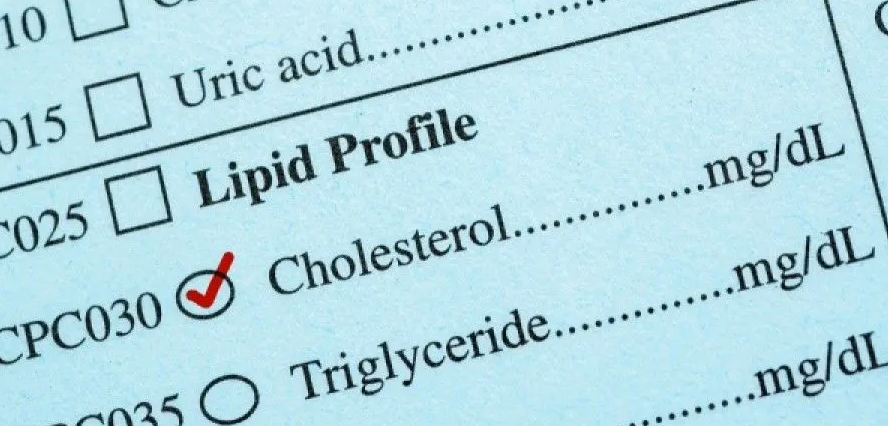
We wrote this article after Greece's national screening programme "Prolamvano" ("I prevent") offered heart check-ups to large numbers of people, with the result that many Greeks found out (rather suddenly) what their blood lipid levels were (cholesterol, triglycerides, LDL and so on).
Although high blood lipids/cholesterol are, medically, a risk factor for cardiovascular disease, the good news is that nature offers a wealth of foods, herbs and natural fats that people have long relied on to keep cholesterol in check, and many of them are probably already in your kitchen. Diet and exercise should complete this overall natural approach if we want to lower the risk and enjoy every day of our lives in good health.
When it comes to diet, remember that the first thing on the list is to avoid processed foods & junk food. Next time you fancy a sausage roll as a mid-morning snack, reach for some dried fruit and nuts instead. You'll spare yourself the heartburn and do your blood vessels a favour :)

Here are the herbs and foods that can help with your blood lipids, and which you very likely already have at home.

1. Oats and flaxseed
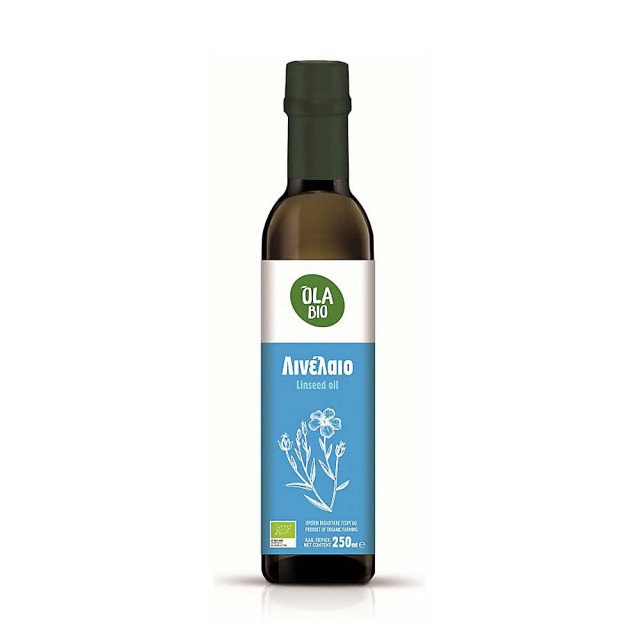
Oats are rich in beta-glucans, soluble fibres that contribute to the maintenance of normal blood cholesterol levels. Flaxseed and flaxseed oil are among the richest plant sources of the omega-3 fatty acid ALA, which contributes to the maintenance of normal blood cholesterol levels (with a daily intake of 2 g of ALA). Two simple, everyday foods with real nutritional backing.
How to use & how much
- Oats: 30–50 g (1 cup) daily at breakfast (e.g. as porridge).
- Flaxseed: 1–2 tbsp ground per day, added to salads or smoothies.
- Flaxseed oil: 1 tbsp daily, raw (not for cooking), on salads or with yoghurt.

2. Lecithin
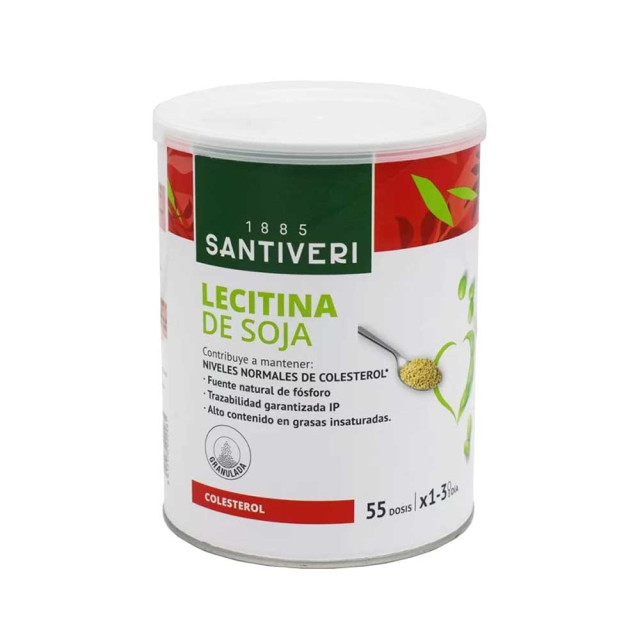
Lecithin (especially from sunflower or soy) is naturally rich in phosphatidylcholine, a source of choline, which contributes to normal lipid metabolism and to the maintenance of normal liver function. That is why lecithin has been a favourite for generations with people who want to support the healthy handling of fats.
How to use & how much
- Lecithin powder or granules: 1–2 tbsp a day, dissolved in juice or a plant-based drink. Choose lecithin from sunflower or non-genetically modified soy (non-GMO).

3. Fish oil
Fish oil is rich in EPA and DHA, which contribute to the normal function of the heart and, with a daily intake of 2 g, to the maintenance of normal blood triglyceride levels. They are also studied for their role in HDL cholesterol and inflammation.
How to use & how much
- Capsules: 1000–2000 mg EPA/DHA per day (in total).

4. Garlic and turmeric
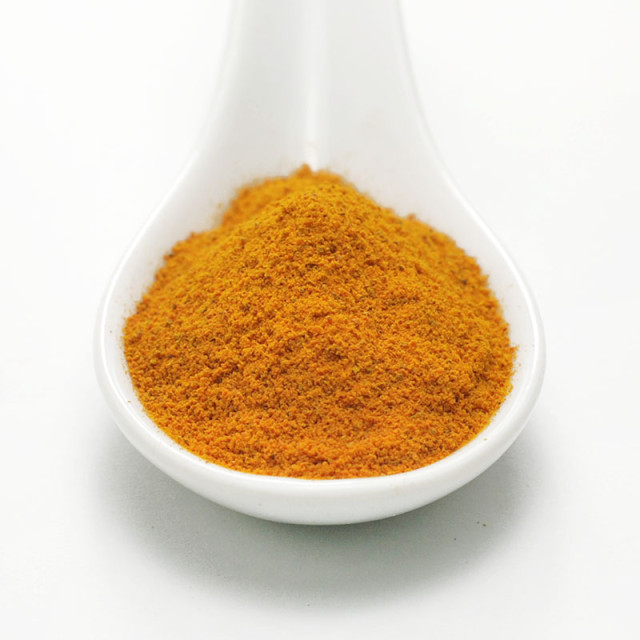
Garlic is one of the most researched foods for heart health, with studies on LDL cholesterol and blood clotting. Turmeric, naturally rich in curcumin, is a traditional choice for the liver, and researchers have looked at its role in protecting "bad" cholesterol from oxidation.
How to use & how much
- Raw garlic: 1–2 cloves a day, finely chopped, ideally left in the air for 10 minutes to activate the allicin.
- Black garlic (fermented): 1–2 cloves daily, milder in taste and richer in antioxidants.
- Turmeric: 1 tsp powder daily with a little olive oil and black pepper (for better absorption).

5. Artichoke, milk thistle and green tea
Three classic allies for the liver and bile flow, which is how the body handles and clears fats. The European Medicines Agency recognises the traditional use of artichoke leaf for digestive symptoms such as a feeling of fullness, bloating and wind.
How to use & how much
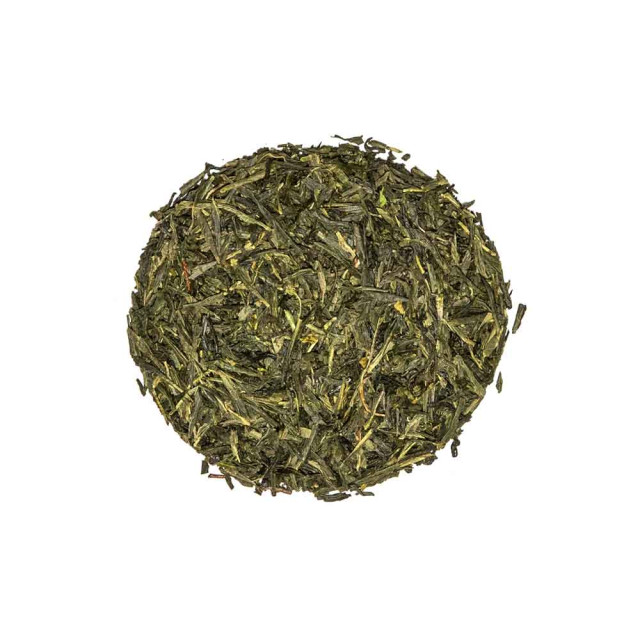
- Green tea (loose leaf): 1 tsp (2–3 g) per cup, 2–3 times a day.
- Artichoke (dried leaf): 1 tsp per cup, 1–2 times a day as an infusion.
- Artichoke tincture: 20–30 drops, twice a day before meals.
- Milk thistle (crushed seed): 1 tsp as a decoction or crushed into yoghurt, 1–2 times a day.
- Milk thistle tincture: 20–40 drops, twice a day after meals.
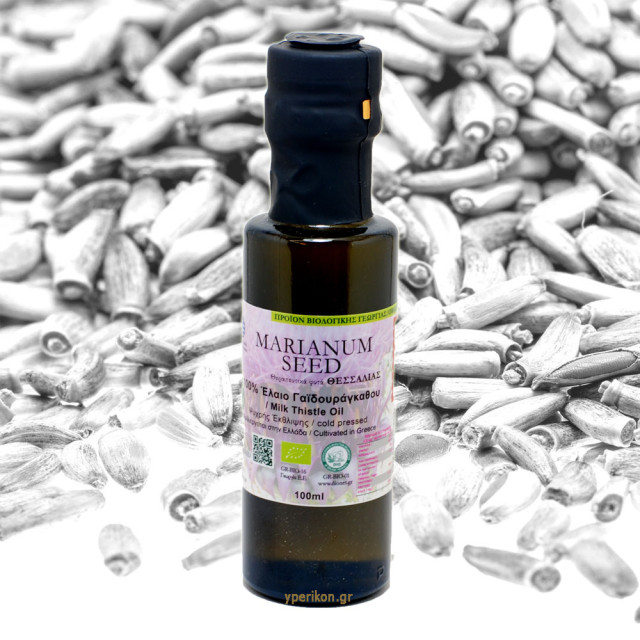
- Milk thistle oil: 1–2 teaspoons, preferably with food.
6. Cinnamon and ginger
Two warming spices with anti-inflammatory potential, traditionally added to the daily diet for healthy blood lipids and good circulation. And they make everything taste better.
- Ceylon cinnamon (powder): ½–1 tsp daily in food, drinks or juice.
- Ginger (fresh or dried): 1–2 slices or 1 tsp powder in an infusion, food or juice, daily.
Combining these natural ingredients with a balanced diet and regular exercise can form a complete, natural approach to healthy cholesterol and heart care.
Exercise should not be neglected, even if it is just 10 minutes of movement at home (e.g. marching on the spot, gentle & rhythmic stretching, chair squats, deep breathing and so on).
Important: if you take medicine for cholesterol or blood thinners, speak to your doctor before adding supplements such as fish oil, garlic, turmeric or ginger. Herbs and foods do not replace the treatment your doctor has prescribed.
All of the above is for information only. These are suggestions that many people have found helpful, but every case is different, and your doctor or practitioner is the right person to talk to about how to bring your health back to where you want it to be!
To your health!