Internal use
For adults, a daily dose of 15–20 g of root, that is 2–3 teaspoons, spread through the day.

 Zoom
Medicinal & Therapeutic Herbs
Armoracia rusticana P.Gaertn., B.Mey. & Scherb.
Also known as: Horseradish, cochlearia, German mustard, xreno.
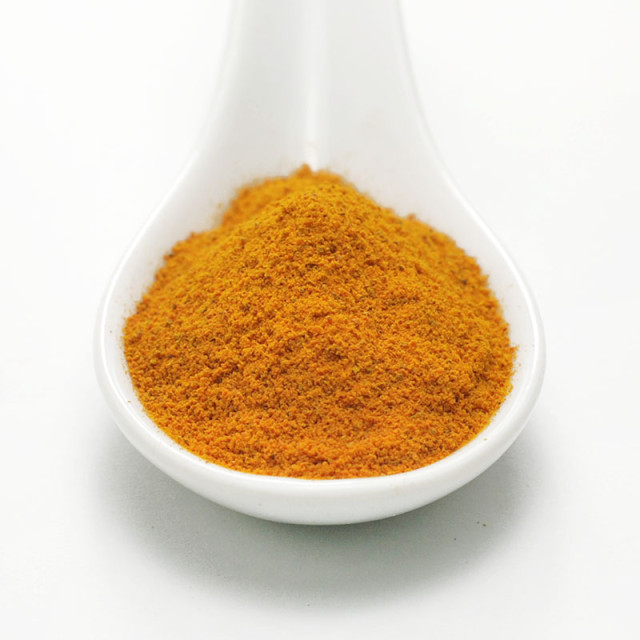
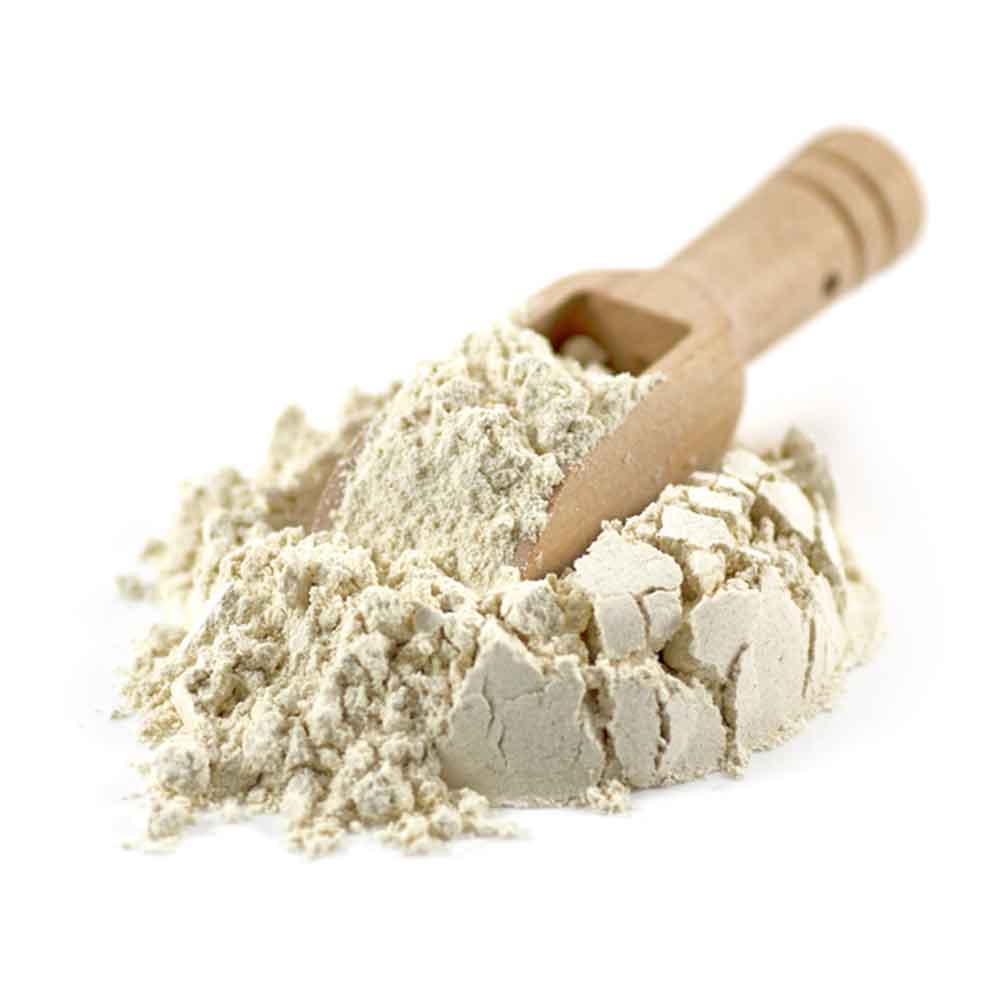
Horseradish is the root of a plant in the cabbage family, offered as a powder and known for its pungent, burning taste. It has been used in Europe for centuries both as a condiment and as a medicine.
Send us a message and we reply within one working day. Or call us on (+30) 2610 221354 during shop hours.
Send a message(+30) 2610 221354Horseradish is the root of a plant in the cabbage family, offered as a powder and known for its pungent, burning taste. It has been used in Europe for centuries both as a condiment and as a medicine. It concerns those seeking support for digestion and the airways, as well as anyone wanting a strong seasoning for rich dishes.
The root is characterised as a digestive stimulant, antiseptic, antitussive and antibiotic, while it raises metabolism and blood circulation. When the root is cut or ground, a volatile oil similar to mustard is released — the source of both its pungency and its antimicrobial action. Its characteristic constituents are glucosinolates and the isothiocyanates derived from them, together with vitamin C.
The root is traditionally associated with flu and respiratory infections, with gout and rheumatism, and with heavy digestion. Externally, applied topically, it was used to ease joint pain and rheumatic complaints.
The taste is cool and hot like mustard, and the root is used in the same way as a seasoning. In culinary use it is traditionally an excellent accompaniment to rich dishes, precisely because it aids digestion. It is added to sauces, hot or cold, to roasts and to oily fish. Lightly cut or ground it goes into salads, marinated vegetables and smoked fish. It suits sandwiches with cold meats and pairs with yoghurt, cream, vinegar and mayonnaise.
For adults, a daily dose of 15–20 g of root, that is 2–3 teaspoons, spread through the day.
Made with the grated root, fresh or well dried, and applied topically for a short time. Skin contact is monitored closely.
Quantities are indicative, based on traditional use and published herbal literature. For prolonged use or if you are on medication, consult a health professional.
In amounts greater than the above, horseradish causes stomach upset or excessive sweating. Direct application to skin or eyes causes irritation and burning — a poultice is not prolonged and not repeated on the same spot. Not used by pregnant or breastfeeding women, nor by children under four. Avoided in hypothyroidism, gastritis, peptic ulcer and kidney disease. The fumes released while mixing irritate the eyes and airways.
For adults, 15–20 g of root, that is two to three teaspoons, spread through the day. Larger amounts cause stomach upset.
As a seasoning, like mustard. It suits sauces, roasts, oily fish, marinated vegetables and sandwiches with cold meats, and pairs with yoghurt, cream, vinegar and mayonnaise.
Anyone with hypothyroidism, gastritis, peptic ulcer or kidney disease, as well as pregnant and breastfeeding women and children under four.
Have you tried Horseradish root powder? Tell us what you think.
0.45€50 g · 3 weights
3.10€50 g · 3 weights
1.90€50 g · 3 weights
1.45€50 g · 3 weights