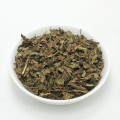
Infusion
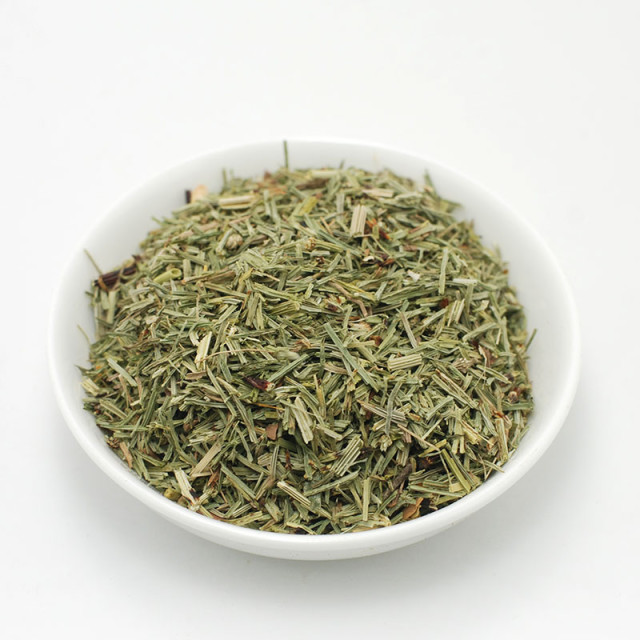
Infuse 2–3 g of dried leaves in 150 ml boiling water for 10–15 minutes. Drink 3–4 times daily, for a total daily amount of 6–12 g.
Combine with generous water intake (at least 2 litres per day).

 Zoom
Medicinal & Therapeutic Herbs
Orthosiphon aristatus (Blume) Miq. var. aristatus (syn. O. stamineus Benth.)
Also known as: Kidney Tea, Cat's Whiskers, Kumis Kucing (Indonesian).
Java Tea is a traditional herb native to Southeast Asia — Indonesia, Malaysia and Java. Its leaves have been used for centuries for fluid retention and urinary tract wellness, and to support healthy kidney function.
Send us a message and we reply within one working day. Or call us on (+30) 2610 221354 during shop hours.
Send a message(+30) 2610 221354Java Tea is a traditional herb native to Southeast Asia — Indonesia, Malaysia and Java. Its leaves have been used for centuries for fluid retention and urinary tract wellness, and to support healthy kidney function.
The leaves are naturally rich in polyphenols, flavonoids (sinensetin), potassium and essential oil. The active compound profile is documented in current European herbal literature and associated with mild diuretic action. Broader herbal literature also describes it as choleretic, anti-inflammatory, antiallergic, hypotensive, antifungal, antibacterial and detoxifying. These terms record its traditional profile and are not all equivalent to clinically established indications.
Traditionally and in modern European phytotherapy, Java Tea is used mainly for fluid retention and mild urinary tract discomfort, and to support kidney function. These uses are associated with diuresis, fluid elimination and urinary tract cleansing.
Traditional phytotherapy also records uric acid and urate buildup, kidney or gallbladder sand and stones, arthritic and rheumatic complaints and gout, together with use in weight-management and metabolism-focused programmes. In daily use it is preferred between meals with abundant water intake.
Infuse 2–3 g of dried leaves in 150 ml boiling water for 10–15 minutes. Drink 3–4 times daily, for a total daily amount of 6–12 g.
Combine with generous water intake (at least 2 litres per day).
The quantities are indicative and are based on traditional use and published phytotherapy literature. For prolonged use or when taking medication, consult a qualified healthcare professional.
For fluid retention: combines with couch grass, juniper berries, corn silk. For urinary tract: with uva ursi, lemon balm.
The name reflects its traditional use to increase urine flow and flush the urinary tract in minor urinary complaints.
Adequate fluid intake is important. It is not suitable when fluid restriction has been advised, including in severe heart or kidney disease.
Seek medical advice for fever, painful urination, spasms, blood in the urine or symptoms that persist.
Have you tried Java Tea leaves? Tell us what you think.