 Zoom
Mother Tinctures
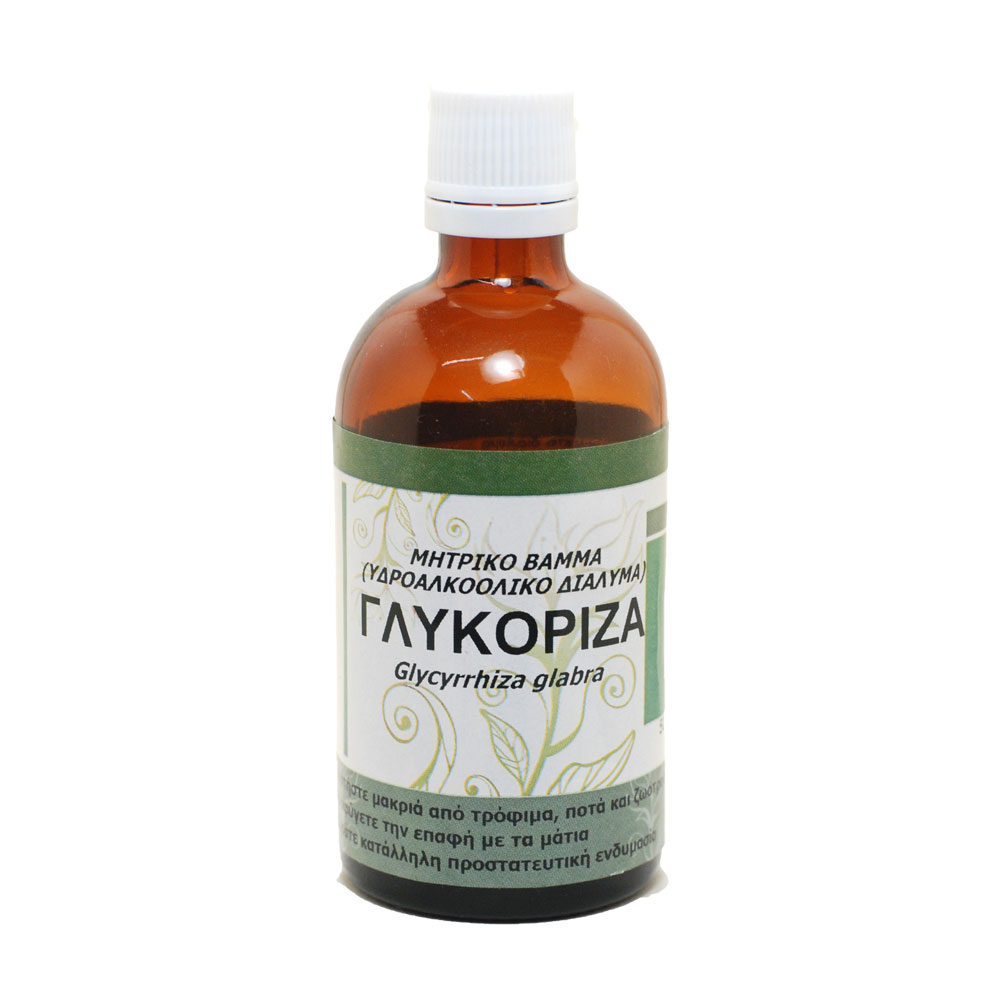
Licorice Tincture 50ml
Glycyrrhiza glabra L.
Also known as: licorice, sweet root. In Greek: γλυκόριζα κομμένη.
Licorice tincture is a liquid hydroalcoholic extract of Glycyrrhiza glabra root. It keeps the root's pronounced sweetness, which comes from glycyrrhizin.
Shipping options
- EU countries: DHL from €18 · free over €200 (first 2 kg, by volumetric weight)
- Cyprus: ACS, BOX NOW or DHL · free with ACS or BOX NOW over €99
- Greece: ACS or ELTA to your door from €4.00 · ACS or BOX NOW lockers from €2.40 · free over €49 (first 3 kg)
- Usually dispatched within 1–2 business days
Payment methods
- Card, Google Pay, Apple Pay, with no extra charge
- Cash on delivery (Cyprus and Greece): ACS +€2.50 · ELTA +€3.50
- IRIS or bank transfer (Greece only)
Send us a message and we reply within one working day. Or call us on (+30) 2610 221354 during shop hours.
Send a message(+30) 2610 221354What it is
Licorice tincture is a liquid hydroalcoholic extract of Glycyrrhiza glabra root. It keeps the root's pronounced sweetness, which comes from glycyrrhizin.
Key properties
Liquorice is described as tonic, adaptogenic, anti-inflammatory, antiviral, expectorant, demulcent, mildly laxative and endocrine-active, with traditional references to cortisol and the adrenals. In laboratory and preclinical studies, glycyrrhizin, glabridin and isoliquiritigenin have been examined in antimicrobial, antifungal, antiviral and inflammatory pathways, as well as mechanisms of proliferation and apoptosis.
Uses
Recorded uses of the herb include:
- cough
- bronchitis
- asthma
- pharyngitis and upper-respiratory infections; gastritis
- indigestion
- reflux
- heartburn and peptic ulcer; mouth ulcers
- aphthae
- reduced appetite
- constipation
- chronic fatigue
- adrenal complaints
Laboratory, preclinical and clinical studies using different liquorice preparations or constituents have also examined acne, eczema, tooth decay, blood glucose, kidneys, hot flushes, weight and hepatitis C.
Its naturally sweet taste suits use on its own or as a small part of throat, respiratory and digestive blends. Daily use remains measured and time-limited.
How to use & dosage
20–30 drops in a little water, 1–2 times a day.
Amounts follow the producer's own directions. For prolonged use, or if you are taking medication, consult a health professional.
Combinations with other herbs
For the throat combine with marshmallow, mallow or thyme; for digestion, with chamomile or fennel, keeping liquorice a small part of the blend.
Precautions
- Age restriction: For adults only, up to 4 weeks and no more than 4.5 g root daily.
- Contraindications: Avoid in pregnancy, breastfeeding, hypertension, heart, kidney or liver disease, and low potassium.
- Adverse effects: Excess may cause fluid retention, raised pressure, hypokalaemia, arrhythmias and a temporary testosterone reduction.
- Medication: It interacts with diuretics, corticosteroids, digoxin, antihypertensives and anticoagulants.
- Contraindication: Adequate dietary potassium is useful but does not cancel contraindications.
- Contains alcohol: Not recommended during pregnancy or breastfeeding, for children, for people with liver disease or epilepsy, or for those abstaining from alcohol. May interact with disulfiram and metronidazole. Always take diluted in a little water or juice.
- Storage: Keep in a cool, dark place, out of reach of children. Shake before use.
Frequently asked questions
How long can liquorice root be used?
For adults only, for up to 4 weeks and without exceeding 4.5 g of root per day.
Why does liquorice require blood-pressure caution?
Glycyrrhizin may cause fluid retention, raised blood pressure and low potassium, especially with excessive or prolonged use.
Why is it not taken for long periods?
With prolonged use, glycyrrhizin is associated with sodium retention, potassium loss and raised blood pressure. Use is kept short and avoided in hypertension.
Reviews
Have you tried Licorice Tincture 50ml? Tell us what you think.
From the same category