Moringa: A Plant with Many Virtues
Moringa, a plant with many virtues
A nutrient-dense superfood
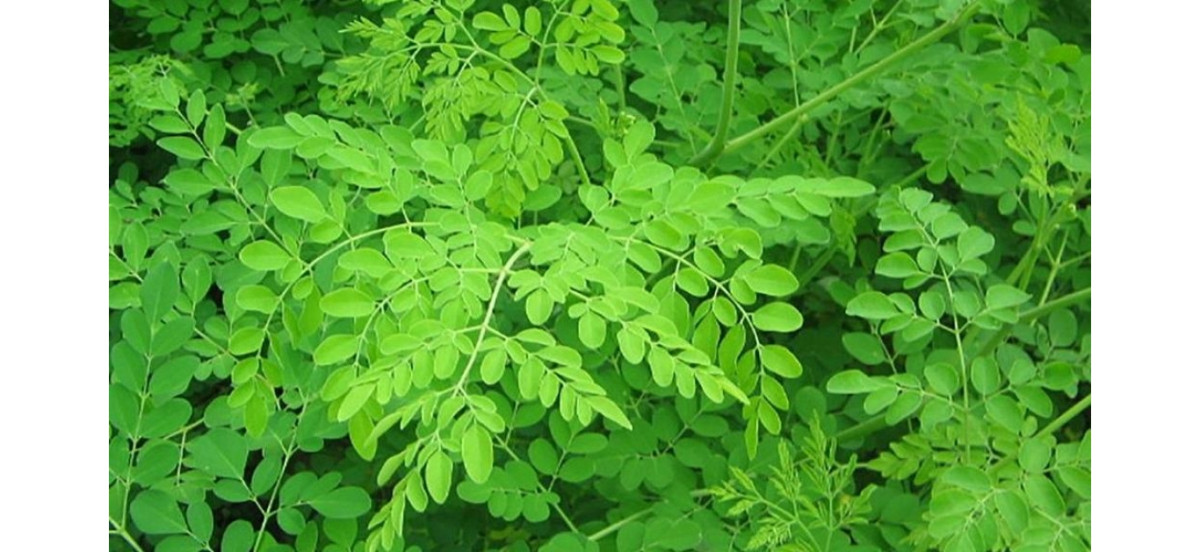
The Moringa oleifera tree grows in the foothills of the Himalayas and in north-west India, and is cultivated throughout the tropics. Indigenous peoples have used it for centuries, including in traditional medicine, and hold it in very high regard. In fact, it is one of the most nutrient-dense plants for humans, and as a natural source its nutrients are highly bioavailable.
Moringa leaves are naturally rich in protein, vitamin A, B vitamins, vitamin C, minerals and antioxidants. It is a highly nourishing food that is also popular in cleansing routines.
Moringa has been traditionally used and studied in relation to:
- healthy cholesterol and blood sugar levels
- muscle tone
- energy
- the immune system
- stress
- metabolism
- digestion
- weight management
- breast milk supply
- the liver and kidneys
- eyesight and dental health
- its antibacterial potential
- healthy, toned skin
It is popular with people who want to boost their energy levels, those who need to focus and athletes in training looking to improve their stamina.
How to use
Moringa has a green, earthy flavour, similar to spinach or matcha tea.
Take 1 teaspoon a day. It can be made into a tea, added to juices or sprinkled over your meals.
Caution: not to be taken during pregnancy or by people on anticoagulant (blood-thinning) medication.
Selected references
- Anwar, F., Latif, S., Ashraf, M., & Gilani, A. H. (2006, November 6). Moringa oleifera: A food plant with multiple medicinal uses. Phytotherapy Research, 21, 17–25
- Waterman, C., Rojas‐Silva, P., Tumer, T. B., Kuhn, P., Richard, A. J., Wicks, S., ... Raskin, I. (2015, April 17). Isothiocyanate‐rich Moringa oleifera extract reduces weight gain, insulin resistance, and hepatic gluconeogenesis in mice [Abstract]. Molecular Nutrition & Food Research, 59(6), 1013–1024
- Tahir, K., Mugal, M. T., & Haq, I. U. (2010). Moringa oleifera: A natural gift-A review [Abstract]. Journal of Pharmaceutical Sciences and Research, 2(11), 775–781
- Cheenpracha, S., Park, E. J., Yoshida, W. Y., Barit, C., Wall, M., Pezzuto, J. M., … Chang, L. C. (2010, September 1). Potential anti-inflammatory phenolic glycosides from the medicinal plant Moringa oleifera fruits [Abstract]. Bioorganic & Medicinal Chemistry, 18(17), 6598–6602
- Debnath, S., Biswas, D., Ray, K., & Guha, D. (2011, January 15). Moringa oleifera induced potentiation of serotonin release by 5-HT 3 receptors in experimental ulcer model [Abstract]. Phytomedicine, 18(2–3), 91–95
- Ganguly, R., & Guha, D. (2008, December 1). Alteration of brain monoamines & EEG wave pattern in rat model of Alzheimer's disease & protection by Moringa oleifera [Abstract]. Indian Journal of Medical Research, 128(6), 744–751
Contact us for any information you need about our products or recommendations on +30 2610 221354, or visit our online shop.