Do it YourselfImmuneNutritionSuperfoods
New Study: Almonds Before Meals and Prediabetes
New study: almonds before meals and prediabetes
What if a simple store-cupboard food could make a real difference to blood sugar?
In a recent randomised controlled trial, researchers in India found that simply eating almonds before meals helped a significant share of volunteers with prediabetes return to normal blood sugar readings.
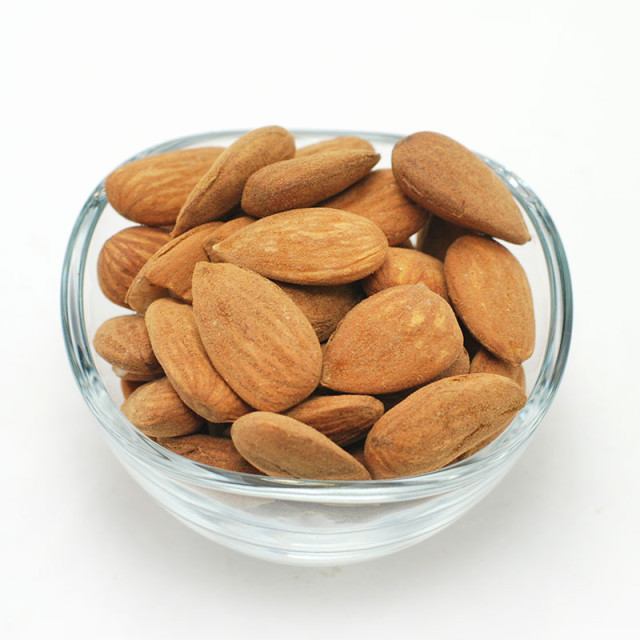
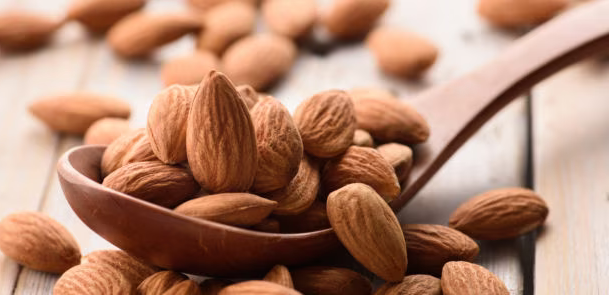
For 3 months, participants ate either almonds or a placebo before their main meals. They had about 20 grams of almonds, roughly 17–18 almonds, before each main meal.

That works out as:
- 20 g = ~17–18 almonds before breakfast
- 20 g = ~17–18 almonds before lunch
- 20 g = ~17–18 almonds before dinner
A total of about 60 g of almonds a day, or 17–18 almonds x 3 meals = ~51–54 almonds a day.
The results
Compared with the placebo group, the almond group quickly showed better blood sugar control, insulin sensitivity, inflammation markers and body composition, even though they made no other changes to their diet[1].
Strikingly, around 23–25% of the people with prediabetes who added almonds returned to healthy blood sugar regulation, a share that the source article compares with results reported for the first-line medicine acarbose[2]. Some people find that medicines such as acarbose cause side effects[3], so a food-based approach is an interesting option to discuss with your doctor.
This shows the promise of whole foods such as almonds in routines focused on metabolic health. Whole foods also nourish the body with essential nutrients, vitamins, phytochemicals and even nucleic acids containing microRNAs, as discussed in Sayer Ji's book REGENERATE[4]. If you have prediabetes or diabetes, keep following the treatment plan agreed with your doctor and talk to them before making changes.
These results add to a growing body of research on almonds. Greenmedinfo's review of hundreds of studies points to almonds being studied in relation to heart health, inflammation, weight, blood lipids and more than 60 other areas[5].
Access to safe, affordable, natural options is especially important for developing countries, which carry the double burden of undernutrition and obesity[6]. As rates of obesity and related chronic conditions keep rising around the world, simple food-based approaches to prevention are more important than ever[7].
Almonds are naturally rich in antioxidants, fibre and plant protein, which are studied for their role in helpful hormones, inflammation and insulin sensitivity[8]. Eating them regularly before carbohydrate-rich meals has also been studied in relation to blood sugar regulation and feeling full[9].
More research is needed, but this clinical trial suggests that well-timed whole foods could play an important part in tackling prediabetes around the world.
Source: Groundbreaking Study: Almonds Reverse Prediabetes Better Than Pharmaceuticals / greenmedinfo.com
References
[1] https://www.clinicalnutritionespen.com/article/S2405-4577(22)01438-3
[2] https://www.thelancet.com/journals/lancet/article/PIIS0140-6736(02)07994-6
[3] https://care.diabetesjournals.org/content/26/3/688
[4] https://www.ncbi.nlm.nih.gov/pmc/articles/PMC5412222/
[5] https://greenmedinfo.com/substance/almond
[6] https://www.ncbi.nlm.nih.gov/pmc/articles/PMC7139241/
[7] https://www.sciencedirect.com/science/article/abs/pii/S0140673610614626
[8] https://pubmed.ncbi.nlm.nih.gov/16373990/
[9] https://www.metabolismjournal.com/article/S0026-0495(11)00062-5
Disclaimer: This article is not intended to provide medical advice, diagnosis or treatment. Please speak to your doctor or practitioner.