 BestsellerBIO Zoom
Medicinal & Therapeutic Herbs
Organic psyllium husk
Plantago ovata Forssk.
Also known as: psyllium husk, ispaghula husk, blond psyllium, isabgol, psyllium fibre.
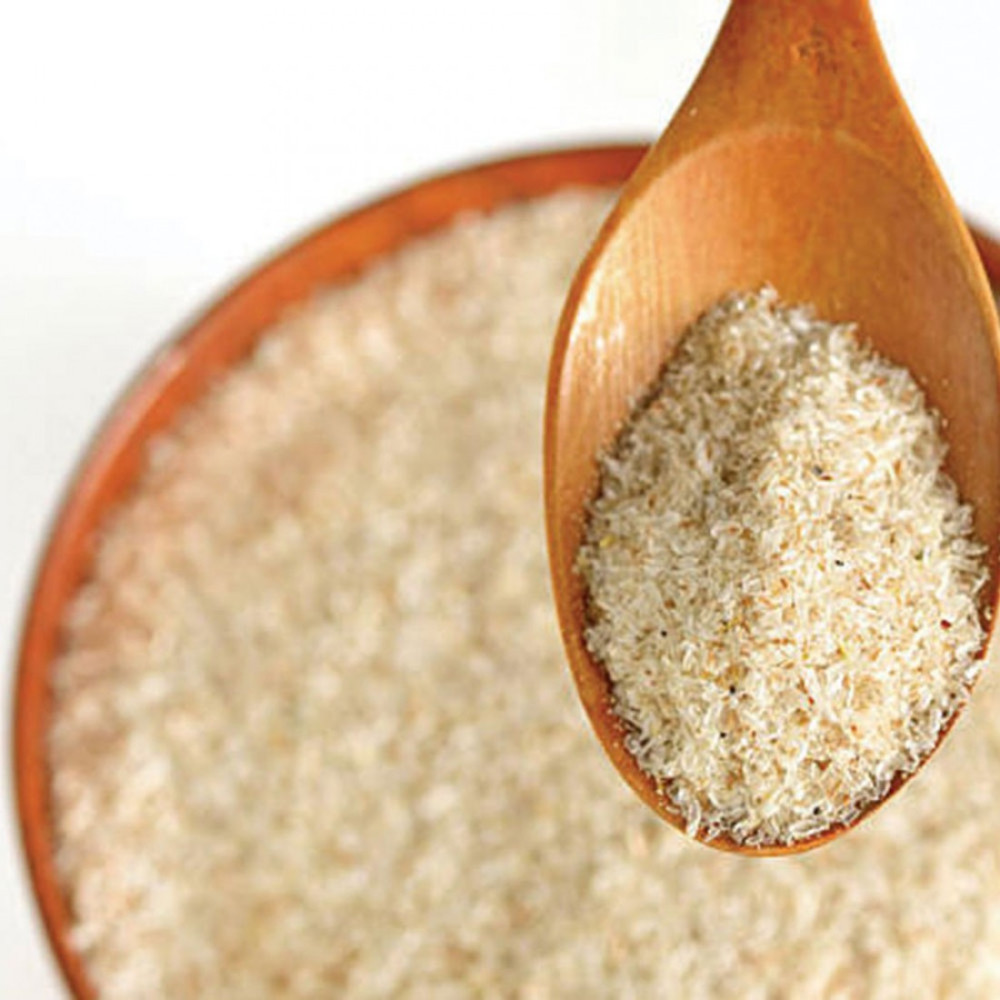
Psyllium husk is the outer seed coat of Plantago ovata. This organic ground material from India is exceptionally rich in soluble, water-loving dietary fibre. In water it swells and forms a soft gel, increasing the bulk and moisture of intestinal contents.
Shipping options
- EU countries: DHL from €18 · free over €200 (first 2 kg, by volumetric weight)
- Cyprus: ACS, BOX NOW or DHL · free with ACS or BOX NOW over €99
- Greece: ACS or ELTA to your door from €4.00 · ACS or BOX NOW lockers from €2.40 · free over €49 (first 3 kg)
- Usually dispatched within 1–2 business days
Payment methods
- Card, Google Pay, Apple Pay, with no extra charge
- Cash on delivery (Cyprus and Greece): ACS +€2.50 · ELTA +€3.50
- IRIS or bank transfer (Greece only)
Send us a message and we reply within one working day. Or call us on (+30) 2610 221354 during shop hours.
Send a message(+30) 2610 221354What it is
Psyllium husk is the outer seed coat of Plantago ovata. This organic ground material from India is exceptionally rich in soluble, water-loving dietary fibre. In water it swells and forms a soft gel, increasing the bulk and moisture of intestinal contents.
This physical action explains use in both constipation and some loose-stool situations: the gel holds water and helps form a more consistent stool. Adequate fluid intake is essential with every serving.
Key properties
The husk’s mucilaginous polysaccharides create bulking and softening fibre without directly irritating the intestinal lining. Partial fermentation by gut microbiota gives it prebiotic interest, while the viscous gel has been studied in relation to cholesterol, post-meal glucose, insulin and fullness.
Effects depend on the quantity, water and total diet. Unlike stimulant laxatives, psyllium works mainly through physical expansion and may form part of a regular fibre programme when well tolerated.
Uses
Key dietary and research-related uses include:
- constipation and normal bowel regularity
- softer stools when hard bowel movements aggravate haemorrhoids or anal fissures
- more consistent stool texture in some cases of diarrhoea
- irritable bowel or chronic spastic colitis when bulking fibre is tolerated
- prebiotic support for intestinal microbiota
- cholesterol and cardiovascular wellness through soluble-fibre intake
- slower carbohydrate absorption and a smoother post-meal glucose response
- greater fullness and support for appetite control
- weight management and obesity within a complete nutrition plan
- general improvement of daily dietary-fibre intake.
Preparation & dosage
Directions: mix 1 teaspoon of ground husk into at least one large glass of water or juice, drink immediately before it thickens and follow with more water. Reduce or stop once bowel function improves.
Beginning with a smaller amount for 2–3 days helps assess bloating. Husk may be added to yoghurt or a smoothie only when eaten immediately and accompanied by sufficient water.
The quantities are indicative and based on traditional use and published herbal medicine literature. For extended use or while taking medication, consult a healthcare professional.
Precautions
Never swallow husk dry. Avoid with swallowing difficulty, intestinal narrowing or obstruction, severe unexplained abdominal pain, bleeding or a sudden persistent change in bowel habits. If no bowel movement occurs or pain, nausea or vomiting develops, stop and seek medical advice. Leave at least 2 hours from oral medicines. Diabetes may require closer glucose monitoring. Some people with irritable bowel experience more gas or discomfort. Fine powder can rarely provoke an inhalation allergy.
Frequently asked questions
How much water is needed with psyllium husk?
At least one large glass per teaspoon, taken immediately, followed by additional water.
When should psyllium be taken relative to medicines?
Leave at least 2 hours because the fibre gel may affect absorption.
Can psyllium also be used with diarrhoea?
Its gel can improve stool consistency in some cases, but persistent or severe diarrhoea needs assessment.
- The effect of a fibre supplement compared to a healthy diet on body composition, lipids, glucose, insulin and other metabolic syndrome risk factors in overweight and obese individuals
- Psyllium decreased serum glucose and glycosylated hemoglobin significantly in diabetic outpatients
- Therapeutic effects of psyllium in type 2 diabetic patients
- Nutritional and Therapeutic Benefits of Psyllium Husk (Plantago Ovata)
- Psyllium Husk as A Natural Remedy Against Several Diseases -A Mini Review
- Psyllium / Medical and Healthcare Textiles, 2010
- Fiber supplements and clinically proven health benefits: How to recognize and recommend an effective fiber therapy
Reviews
Have you tried Organic psyllium husk? Tell us what you think.