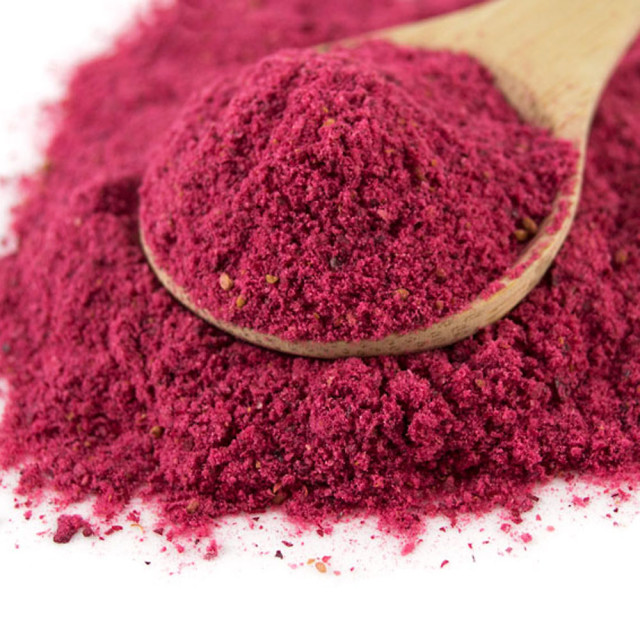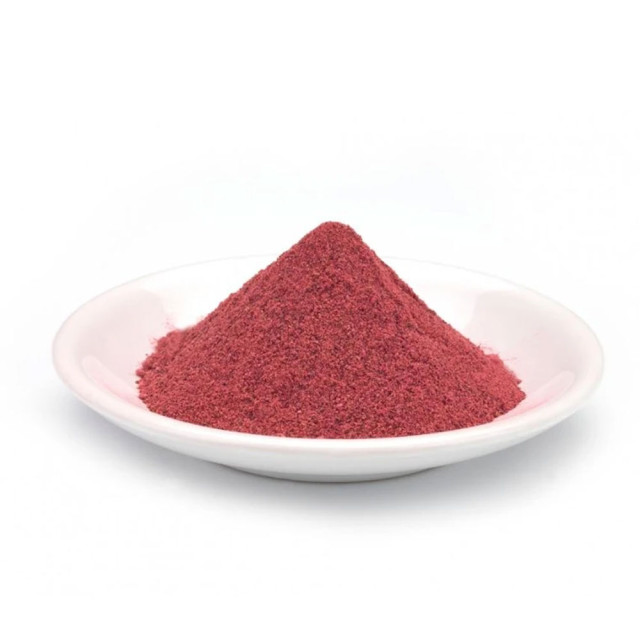
Organic beetroot powder
2.10€50 g · 3 weights

 BIO Zoom
Medicinal & Therapeutic Herbs
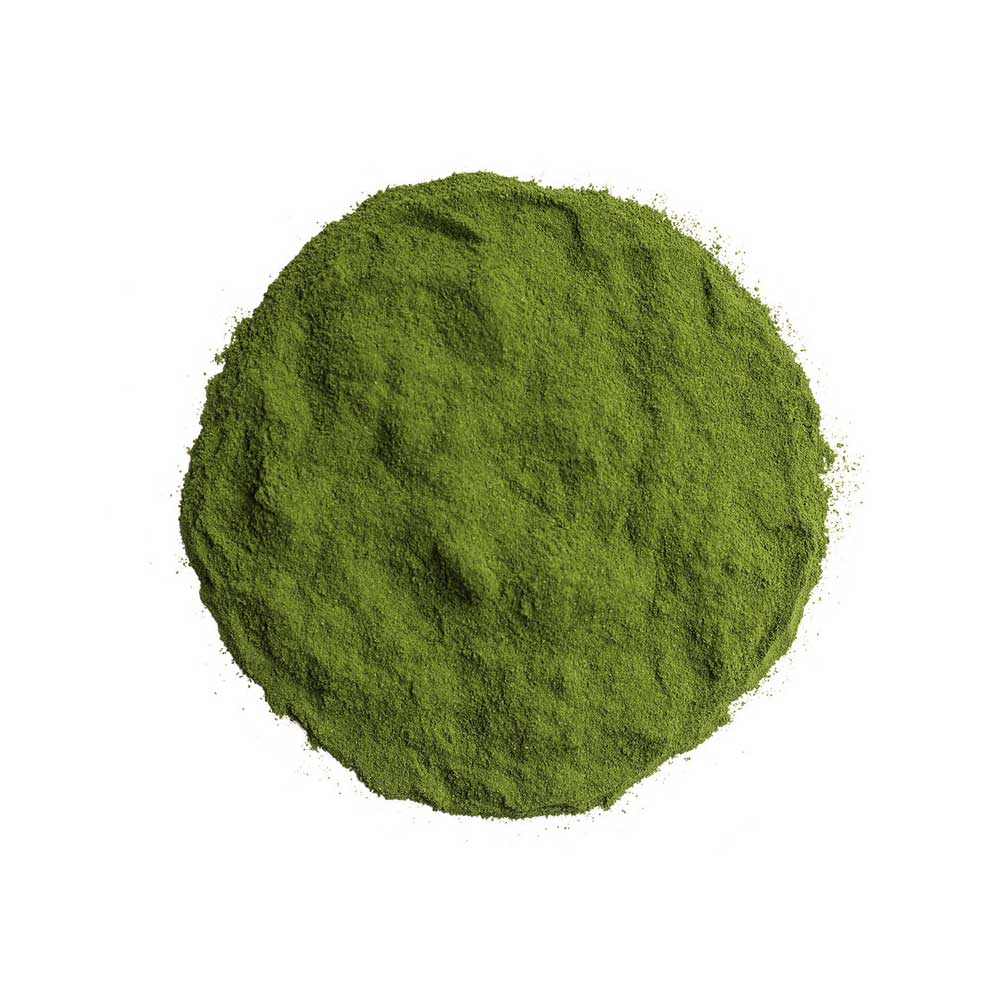
Spinacia oleracea L.
Also known as: Spinach powder, dried spinach, green powder.
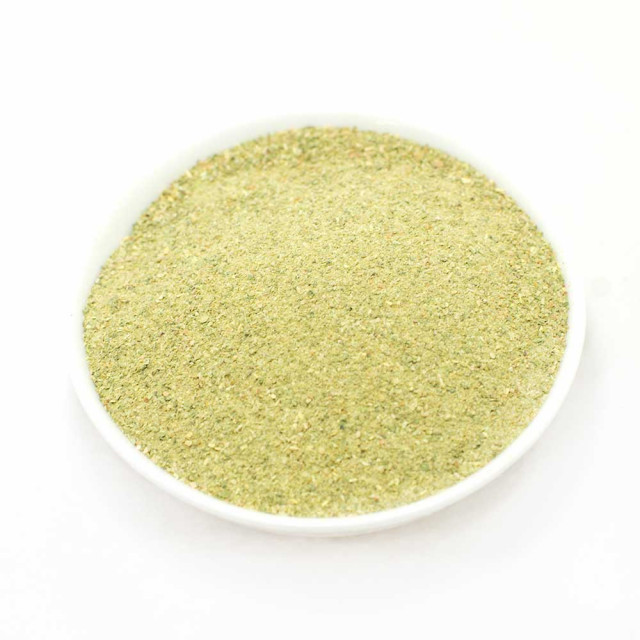
Spinach powder is the dried and milled leaves of the familiar leafy vegetable, from organic cultivation. The plant belongs to the amaranth family and is known for its dark green leaves and slightly bitter, earthy taste.
Send us a message and we reply within one working day. Or call us on (+30) 2610 221354 during shop hours.
Send a message(+30) 2610 221354Spinach powder is the dried and milled leaves of the familiar leafy vegetable, from organic cultivation. The plant belongs to the amaranth family and is known for its dark green leaves and slightly bitter, earthy taste. The powder is a concentrated form of the vegetable for smoothies, soups and baking — not a herb for infusion.
The powder is characterised as nutrient dense, antioxidant and anti-inflammatory, with an additional contribution to digestion through its dietary fibre. It supplies vitamins A, C, E and K, folate, iron, calcium and magnesium.
Its characteristic antioxidants are beta-carotene, lutein and zeaxanthin, together with flavonoids and carotenoids. Lutein and zeaxanthin concentrate in the macula and are linked to a reduced risk of macular degeneration and cataract. The nitrates in spinach have been associated with lower blood pressure and improved blood vessel function.
For anyone interested in eye health, in the heart and blood pressure, in bones and osteoporosis, in digestion and constipation, in weight management and blood sugar control, and in iron intake. It also concerns those who struggle to eat enough leafy greens.
In smoothies and juices: one or two teaspoons add extra nutrients and a vivid green colour, and it blends well with fruit and vegetables. In soups and sauces: sprinkled into stews or sauces, working particularly well in creamy soups such as potato or broccoli. In baking: worked into bread, muffins or pancakes — start with a small amount and adjust to taste, adding a subtle green colour.
1–2 teaspoons daily, worked into a drink, soup or dough. The powder is not boiled at length: add it at the end of cooking so the heat-sensitive vitamin C and folate are preserved.
Quantities are indicative, based on traditional use and published herbal literature. For prolonged use or if you are on medication, consult a health professional.
Spinach is among the foods highest in oxalates, and the powder concentrates them. Anyone with a history of calcium oxalate kidney stones or renal impairment should limit the amount and consult a doctor. Oxalates also bind calcium and iron, so the powder is not taken at the same time as those supplements.
The high vitamin K content affects how anticoagulants work: anyone on such medication keeps their intake steady and informs their doctor before adding the powder. With thyroid medication, leafy greens are eaten at a distance from the dose. In large amounts the dietary fibre causes bloating and gas.
One to two teaspoons a day, in a smoothie, soup or dough. In baking, start with a small amount and adjust to taste.
Yes, the heat-sensitive vitamin C and folate. That is why the powder is added at the end of cooking and not boiled at length.
Anyone with a history of calcium oxalate kidney stones, anyone with renal impairment, and anyone taking anticoagulants, because of the high vitamin K.
Have you tried Spinach leaf powder? Tell us what you think.
2.10€50 g · 3 weights
1.49€50 g · 3 weights
1.83€50 g · 3 weights