Prunes and Bone Health: What a Study Found
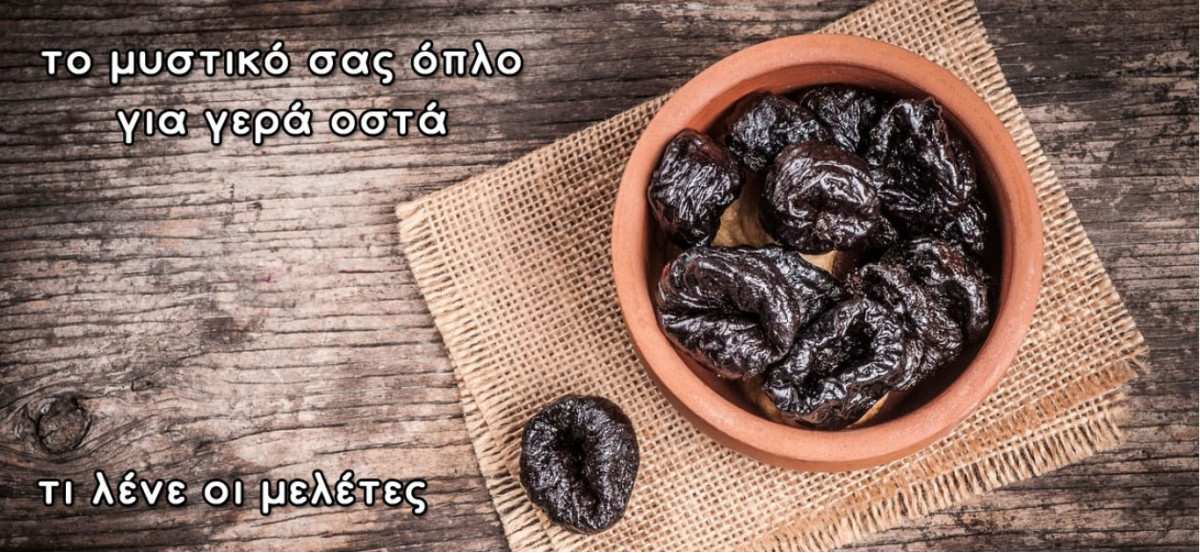
Prunes and bone health: what a study found
How many prunes did women in the study eat?
Answer: According to the researchers, six prunes a day were enough to make a difference in their study.
The researchers ran a 6-month trial with 48 women in their 60s and 70s with osteopenia (low bone density). Sixteen participants ate 50 g, or about 6 prunes, a day, another 16 ate 100 g, or 9–10 prunes, and the remaining 16 were a control group who ate dried apple instead.
The researchers measured the participants' bone mineral density (BMD) at the hip, lower spine and ulna, and looked at specific blood markers of bone health at the start of the study and again at 3 and 6 months. They also recorded the participants' nutrient intake to take into account other factors that affect bone health, such as vitamin D status, calcium intake, exercise and overall diet.
In the apple control group, BMD stayed the same or decreased.
In both prune groups, however, spinal bone density increased, while forearm and hip density stayed the same. The women who ate 100 g of prunes had a slightly greater increase in spinal BMD than the 50 g group.
The difference between the two groups was not significant, though. In both groups (but not in the control group), a specific marker of bone breakdown called tartrate-resistant acid phosphatase (TRAP-5b) was significantly lower at both 3 and 6 months, suggesting that eating either 50 g or 100 g of prunes had a positive, lasting effect on bone turnover.

Based on these findings, the researchers concluded that the smaller amount, 50 g or 6 prunes, was enough for most women in the study to benefit.