Red Panax Ginseng
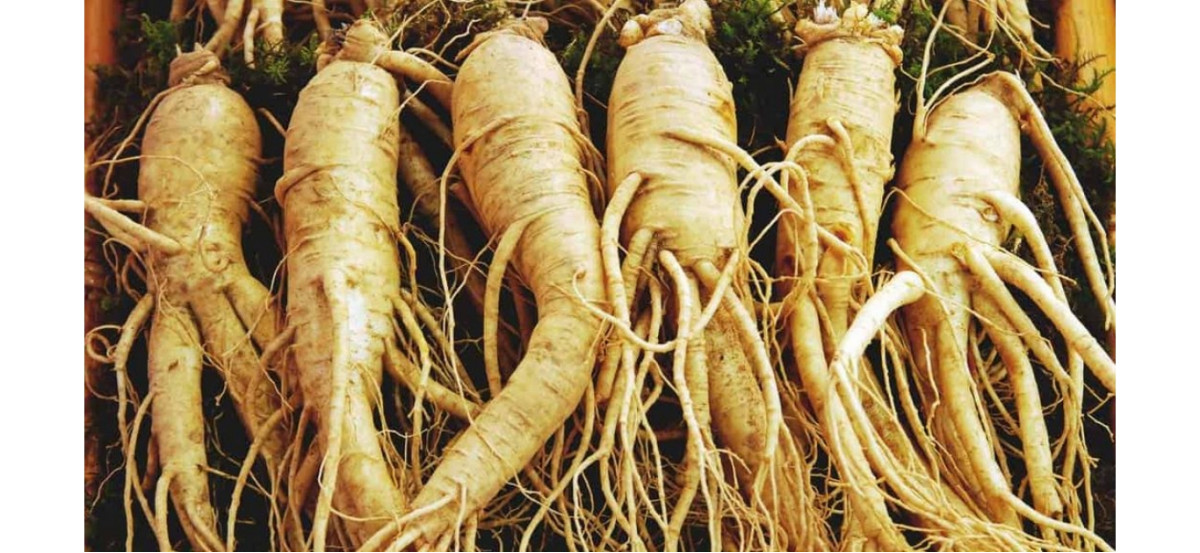
Red Panax ginseng
Red and white ginseng come from the same plant, Panax ginseng; the difference lies in how the roots are preserved. Only ginseng roots that have matured for at least six years can become red ginseng.
In Chinese medicine, red ginseng is believed to boost "yang" energy (stimulating and warming) more than white ginseng.
Asian red ginseng has been used in traditional Chinese medicine as an all-round wellbeing supplement for centuries. The root is said to resemble the human body, with shoots in place of arms and legs. This resemblance is thought to be why traditional herbalists saw ginseng as a remedy for the whole body. Today, ginseng is widely researched as a natural supplement.
Key properties: traditionally used for physical stamina and mental performance, studied for its antiviral potential and in relation to mood, an adaptogenic herb, and studied in relation to blood sugar and low blood pressure.

The main potential benefits of red ginseng
- Naturally rich in antioxidants, studied in relation to inflammation
- Studied in relation to brain function
- Studied in relation to heart health
- Studied in relation to erectile function
- Traditionally used to support the immune system
- Traditionally used for tiredness and stress and to boost energy levels
- Studied in relation to blood sugar
Dosage
The amount to take depends on what you are using it for. Daily amounts of 1–2 grams of raw ginseng root are commonly used. To get the most from it, take ginseng in cycles of 2–3 weeks, with a break of one or two weeks in between.
Safety and possible side effects
People taking medication for diabetes should monitor their blood sugar closely when using ginseng, to make sure it does not drop too low. Ginseng may also reduce the effectiveness of anticoagulant (blood-thinning) medicines. For these reasons, speak to your doctor before taking it as a supplement.
Due to a lack of safety studies, ginseng is not recommended for children or for women who are pregnant or breastfeeding.
Finally, there is some evidence that long-term continuous use of ginseng may reduce its effectiveness in the body.
Selected references
Ginseng for cognition, Cochrane Database Syst Rev 2010 Dec 8