Rhodiola: Nature's Ally Against Stress and Tiredness
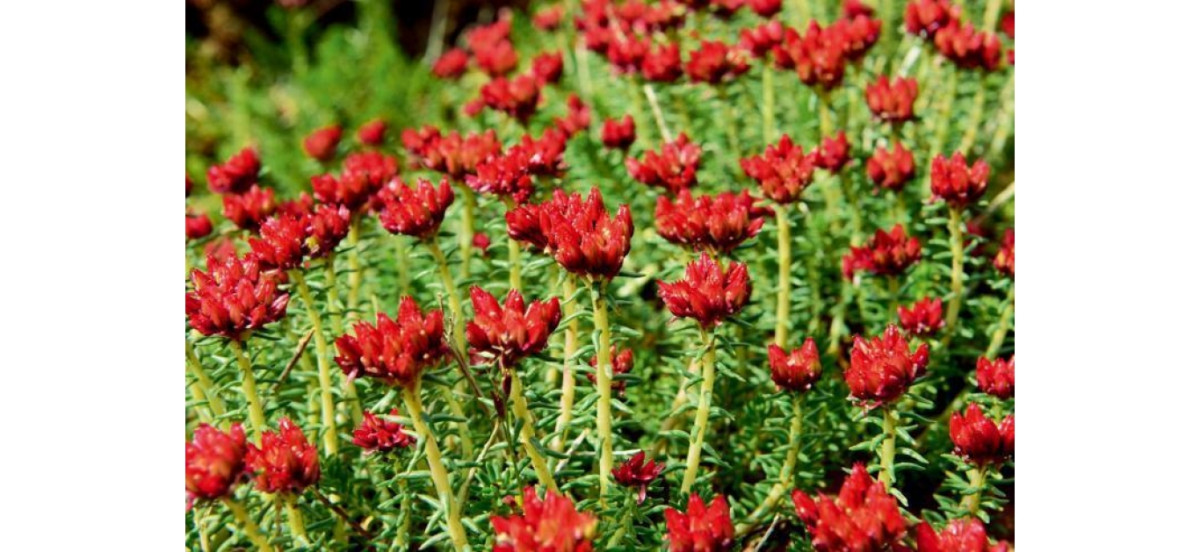
Rhodiola (Rhodiola rosea), the "golden root"
Rhodiola root is an adaptogen, which means it is traditionally used to help the body adapt to stress. It contains more than 140 active compounds, the best known being rosavin and salidroside. People in Russia and the Scandinavian countries have used rhodiola for centuries for stress, tiredness and low mood. The plant was already known in ancient Greece.
Key properties: traditionally used for physical stamina, studied for its stimulating or calming effect on the nervous system (depending on the amount), naturally rich in antioxidants, and traditionally used for hormonal balance.
Rhodiola is traditionally used for:
- physical stamina
- long-term physical and mental tiredness
- support with low mood
- the nervous system and mental performance
- the thyroid, thymus and adrenal glands
- the heart and liver
- healthy blood sugar levels
How to use
Take 1 gram of powdered rhodiola root once or twice a day. If the root is not ground, make a decoction by simmering it for 10–15 minutes. Rhodiola is usually taken before meals.
Special precautions
Rhodiola has been used in traditional herbal medicine for many centuries. There is no information available on its use during pregnancy or breastfeeding. If you are taking any medication, speak to your doctor first.
Selected references
- The Effects of Rhodiola rosea L. Extract on Anxiety, Stress, Cognition and Other Mood Symptoms
- Stress management and the role of Rhodiola rosea: a review
- Panax ginseng, Rhodiola rosea and Schisandra chinensis
- Mood disorders and complementary and alternative medicine: a literature review
- Rhodiola rosea in stress induced fatigue
- Acute Rhodiola rosea intake can improve endurance exercise performance