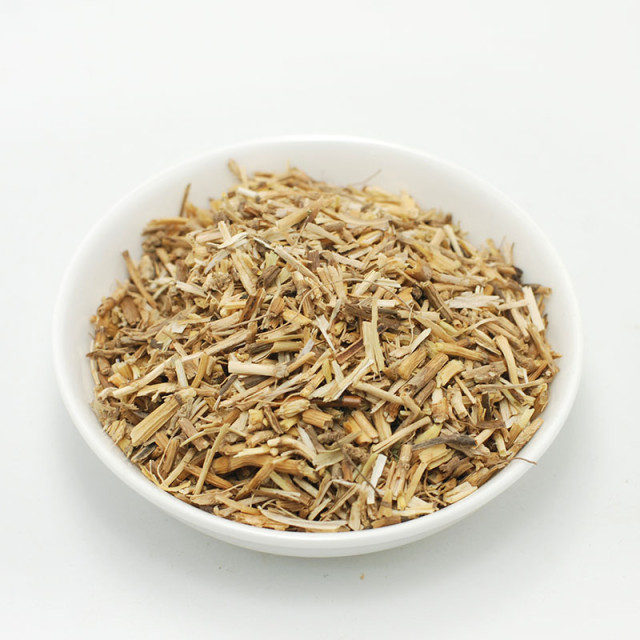
Couch grass rhizome
2.50€50 g · 3 weights

 Zoom
Medicinal & Therapeutic Herbs
Asplenium ceterach L. Synonym: Ceterach officinarum Willd.
Also known as: rustyback, rustyback fern, ceterach, scorpionweed, skorpidi, skorpidochorto, asplenio, chrysóchorto.
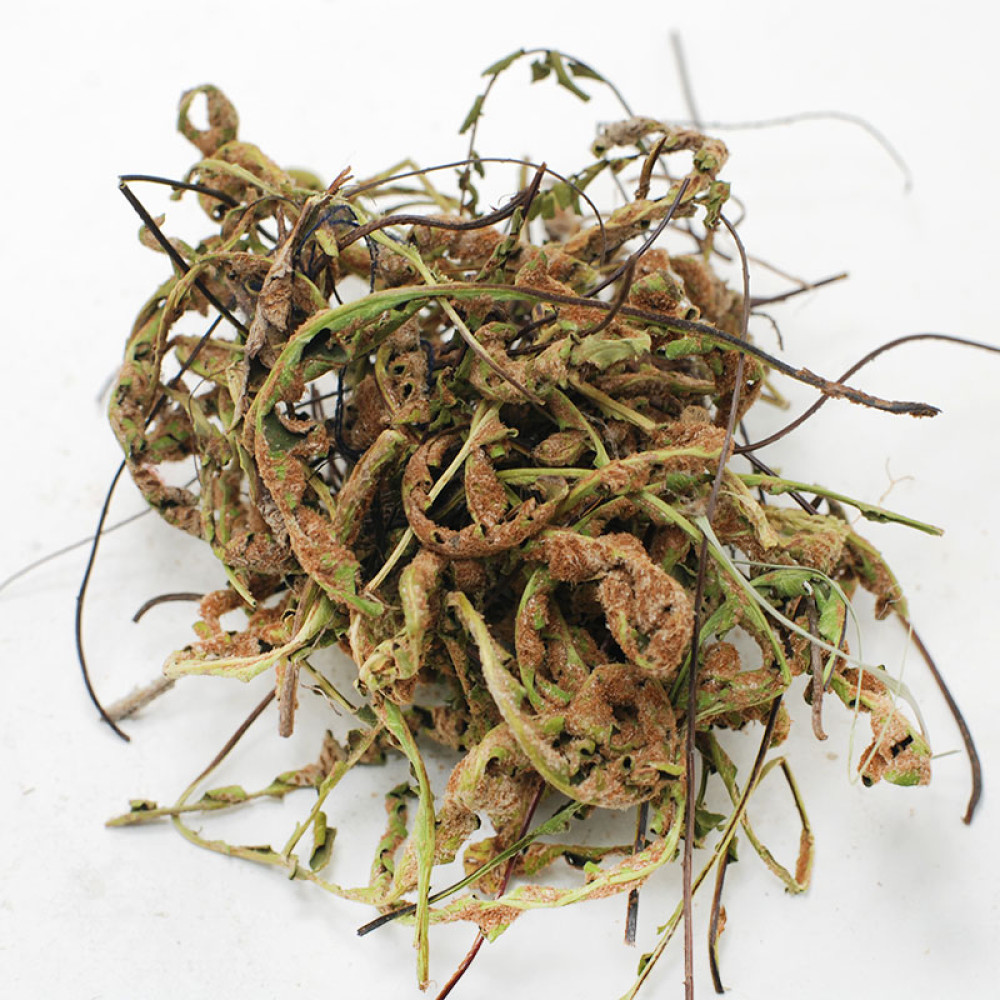
Rustyback is a small evergreen Mediterranean fern, botanically known as Asplenium ceterach and formerly as Ceterach officinarum. It grows in rock crevices and old stone walls, surviving drought by curling its fronds inward. Folk herbal practice valued it mainly as a urinary and stone herb.
Send us a message and we reply within one working day. Or call us on (+30) 2610 221354 during shop hours.
Send a message(+30) 2610 221354Rustyback is a small evergreen Mediterranean fern, botanically known as Asplenium ceterach and formerly as Ceterach officinarum. It grows in rock crevices and old stone walls, surviving drought by curling its fronds inward. Folk herbal practice valued it mainly as a urinary and stone herb.
The English name rustyback refers to the golden-brown scales underneath the fronds. This feature assists botanical recognition and helps explain Greek names such as chrysochorto, meaning golden herb.
It is traditionally described as diuretic, antilithic and soothing, with additional references to antimicrobial, antifungal, antioxidant, anti-inflammatory, anthelmintic, expectorant and diaphoretic actions. Its bitter, astringent taste explains combinations with aromatic seeds or liquorice.
These uses belong primarily to Mediterranean and European tradition. Modern evidence is limited, and traditional kidney or gallbladder use still requires appropriate medical assessment when symptoms are persistent or severe.
The central traditional use concerns urinary gravel and kidney stones, together with references to gallstones. Rustyback also appears in formulas for cystitis, nephritis and urinary irritation, generally alongside adequate water when fluid intake is not medically restricted.
Other records concern mucus clearance, respiratory comfort, gastrointestinal function, the spleen and older “chest” complaints. The bitter decoction is traditionally paired with fennel, mint, anise or liquorice for a more balanced flavour.
Traditional decoction: boil 1 tablespoon of herb in 1½ cups of water for 3–5 minutes, leave briefly covered and strain. Drink 1–2 times daily for short-term use.
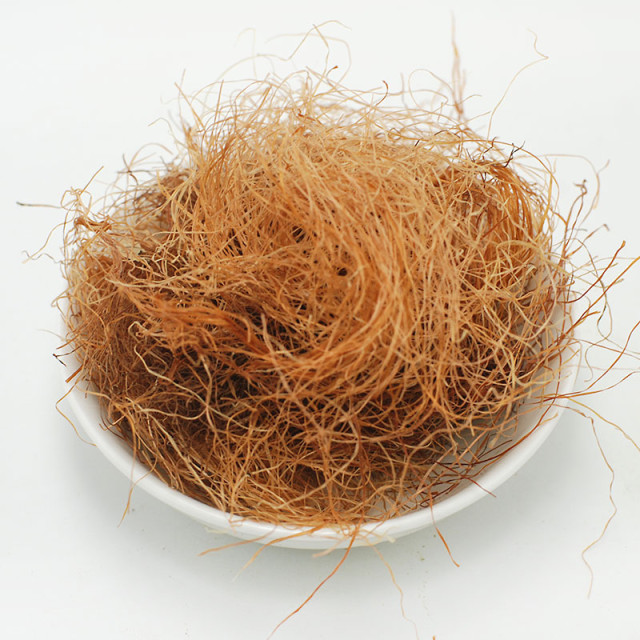
Traditional urinary blend: combine equal parts rustyback, corn silk and couch grass. Simmer 1½–2 teaspoons of the blend in 1 cup of water for 7–10 minutes. Traditionally, 2 cups are taken daily for 7–10 days.
The quantities are indicative and based on traditional use and published herbal medicine literature. For extended use or while taking medication, consult a healthcare professional.
For flavour it is combined with fennel seed, mint, anise or liquorice. Traditional urinary blends pair it with corn silk and couch grass rhizome.
Do not exceed the stated quantity or duration. Severe colic, fever, blood in urine, vomiting, difficulty urinating or persistent pain needs prompt medical assessment. Gallstones can obstruct the bile duct and are not suitable for self-management. Avoid during pregnancy and breastfeeding and in severe kidney or heart failure without professional guidance. Liquorice is unsuitable for some people, particularly with hypertension.
It is chiefly associated with the urinary tract, gravel and kidney stones, with medical assessment for persistent or severe symptoms.
Boil 1 tablespoon of herb in 1½ cups of water for 3–5 minutes and strain thoroughly.
Corn silk and couch grass in urinary blends, or fennel, mint, anise and liquorice to balance the flavour.
Have you tried Rustyback herb? Tell us what you think.
2.50€50 g · 3 weights
2.35€50 g · 3 weights
2.75€50 g · 3 weights