Safflower Oil: Rich in Vitamin E and Omega-6
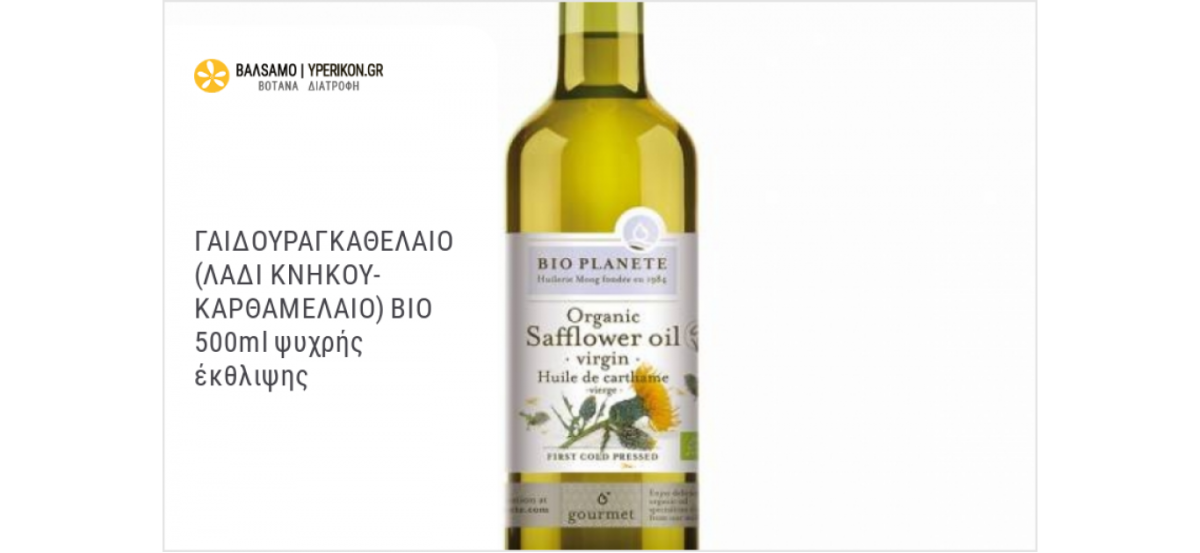
An oil rich in vitamin E and omega-6
Cold-pressed from safflower seeds
Safflower oil is the richest source of polyunsaturated fatty acids of any vegetable oil. Around 78% of the oil is polyunsaturated fatty acids, mainly linoleic acid, 12% is monounsaturated fatty acids (oleic acid) and just 10% is saturated fatty acids.
This balance of fats is appreciated in heart-friendly routines, including those focused on healthy arteries and cholesterol levels. Safflower also contains plant compounds that have been studied in relation to blood clotting, blood vessels, blood pressure and heart function.
It is rich in omega-6 fatty acids and vitamins E and K. Vitamin E contributes to the protection of cells from oxidative stress. Finally, it contains small amounts of choline, which contributes to normal fat metabolism and is part of the neurotransmitter acetylcholine, responsible for much of the transmission of nerve signals.

Properties and uses
- Blood sugar and cholesterol (contains linoleic acid, studied in relation to both)
- Weight management (contains good fats)
- Premenstrual syndrome (traditionally used for symptoms)
- Studied for its anti-inflammatory potential
- Healthy hair and skin
How to use
Can be eaten raw, 1–2 tablespoons a day. Heat gently.
Nutritional information
- Energy 3700 kJ (900 kcal)
- Fat 100 g (of which saturates 10 g, monounsaturates 12.1 g, polyunsaturates 77.9 g)
- Carbohydrate 0 g (of which sugars 0 g)
- Protein 0 g
- Salt 0 g
- Vitamin E 59 mg (492% **)
Average nutritional values per 100 g
** % of the Nutrient Reference Value (NRV).