Saw Palmetto: The Palm That Looks After Men
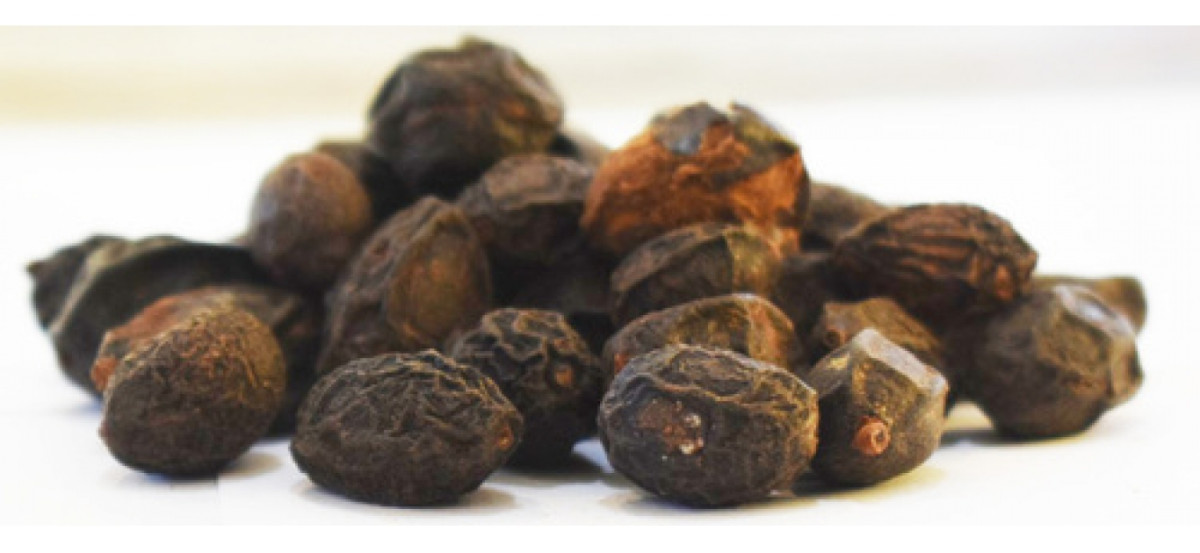
Saw palmetto: the palm that looks after men
Saw palmetto is a supplement made from the berries of the Serenoa repens palm. Its main compounds are phytosterols and fatty acids, found in the berries, and they are behind its popularity. Saw palmetto is best known for men's health: it is traditionally used to support the prostate and healthy urinary function, and for thicker-looking hair. Some people also use it in routines focused on libido and fertility.

Traditional properties: traditionally valued as a urinary antiseptic, diuretic and soothing herb that acts on the hormonal system. Traditional uses: to support the male reproductive system and the prostate, and for digestive and urinary complaints.
What research says about saw palmetto
Saw palmetto has been studied for its anti-inflammatory potential and for its effects on hormones, especially its anti-androgenic activity, in relation to prostate health. The main areas of interest are:
- Prostate and urinary comfort. Saw palmetto is recognised by the European Medicines Agency for relieving lower urinary tract symptoms related to benign prostatic hyperplasia (BPH), once a doctor has ruled out other serious conditions.
- Hormonal balance. It is studied as a natural anti-androgen, in relation to the way the body processes testosterone.
Saw palmetto has also been studied or traditionally used in relation to:
- Hair loss. In traditional medicine, saw palmetto was used for hair loss in men, and it has been studied in relation to male-pattern hair loss.
- Urinary infections. It has traditionally been used for urinary tract complaints, especially in men. For any suspected urinary infection, see your doctor.
- Benign prostatic hyperplasia (BPH). Research has looked at taking saw palmetto in the months before prostate surgery in relation to recovery, as well as its use for an enlarged prostate.
- Urinary function. Research has studied saw palmetto in relation to the bladder's capacity to hold urine and the need to urinate frequently.
How to use it
- The berries as a decoction: simmer half a teaspoon of dried saw palmetto berries for 5 minutes. Drink 3 times a day.
- Tincture: 1–2 ml of tincture three times a day (1 ml of tincture = about 30 drops).
Special precautions
Because it acts on hormones, avoid saw palmetto during pregnancy and breastfeeding. It may slow blood clotting, so if you take blood-thinning medication, or have urinary symptoms that haven't been checked, speak to your doctor first.
Selected references
- Phytotherapy for benign prostatic hyperplasia
- Saw palmetto extracts for treatment of benign prostatic hyperplasia: a systematic review
- A double-blind trial of an extract of the plant Serenoa repens in benign prostatic hyperplasia.
- Observational database serenoa repens (DOSSER): overview, analysis and results. A multicentric SIUrO (Italian Society of Oncological Urology) project
- A randomized, double-blind, placebo-controlled trial to determine the effectiveness of botanically derived inhibitors of 5-alpha-reductase in the treatment of androgenetic alopecia
- Pharmacological characterization and chemical fractionation of a liposterolic extract of saw palmetto (Serenoa repens): effects on rat prostate contractility