 Zoom
Medicinal & Therapeutic Herbs
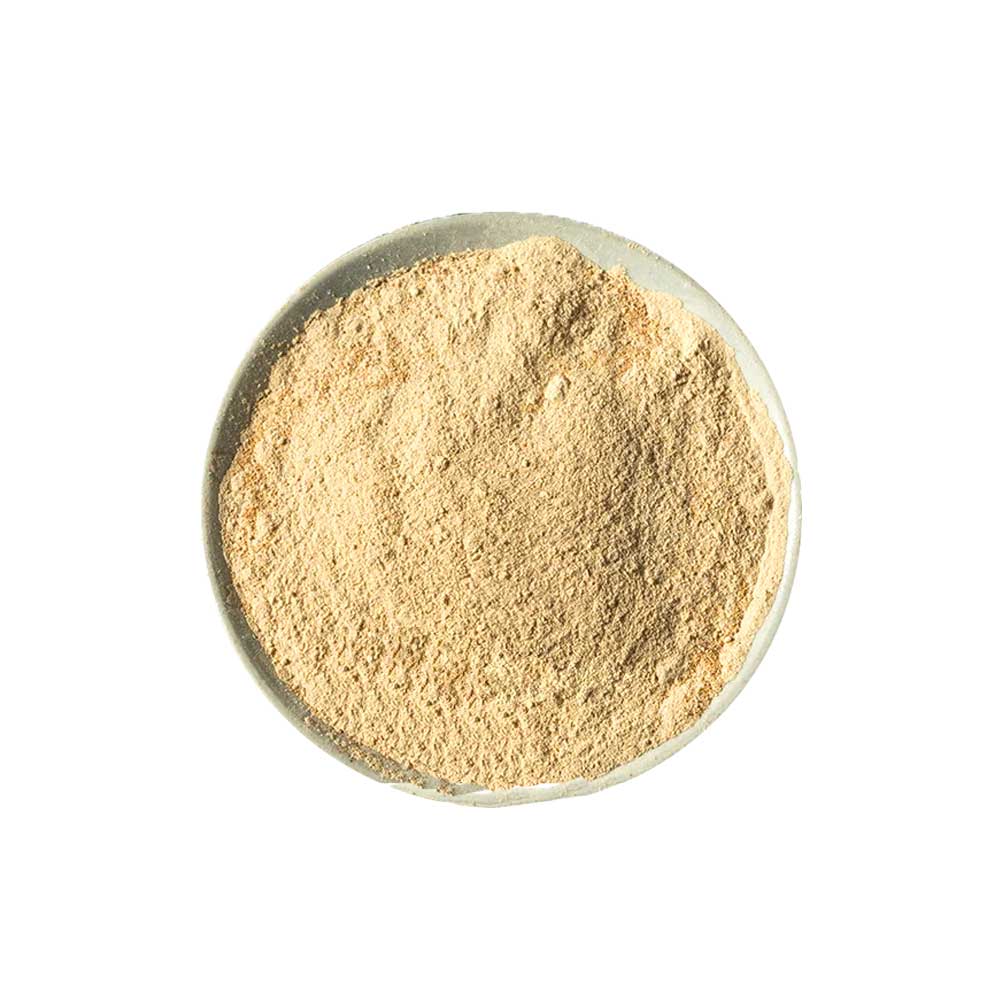
Suma root powder 50 g
Pfaffia paniculata
Also known as: suma root, Brazilian ginseng, para tudo.
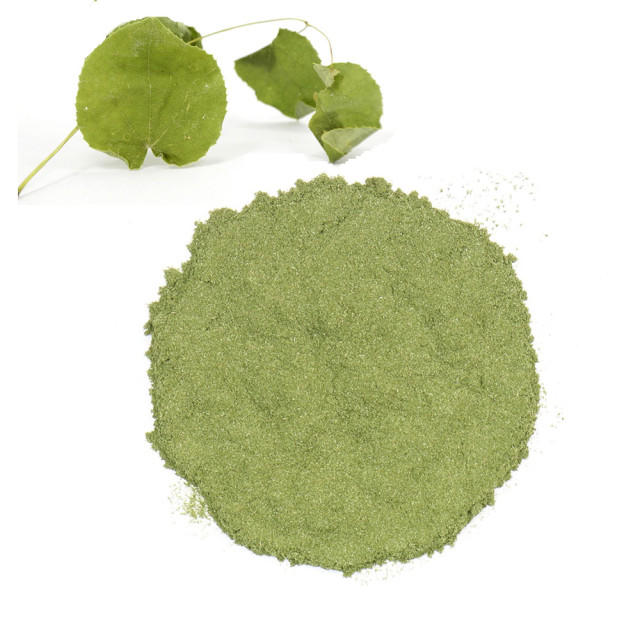
Suma is powdered root of Pfaffia paniculata. Brazilian tradition regards it as an adaptogenic tonic for energy, stamina and libido, although it is botanically unrelated to Asian ginseng.
Shipping options
- EU countries: DHL from €18 · free over €200 (first 2 kg, by volumetric weight)
- Cyprus: ACS, BOX NOW or DHL · free with ACS or BOX NOW over €99
- Greece: ACS or ELTA to your door from €4.00 · ACS or BOX NOW lockers from €2.40 · free over €49 (first 3 kg)
- Usually dispatched within 1–2 business days
Payment methods
- Card, Google Pay, Apple Pay, with no extra charge
- Cash on delivery (Cyprus and Greece): ACS +€2.50 · ELTA +€3.50
- IRIS or bank transfer (Greece only)
Send us a message and we reply within one working day. Or call us on (+30) 2610 221354 during shop hours.
Send a message(+30) 2610 221354What it is
Suma is powdered root of Pfaffia paniculata. Brazilian tradition regards it as an adaptogenic tonic for energy, stamina and libido, although it is botanically unrelated to Asian ginseng.
Key properties
The root provides a broad nutrient profile and contains saponins and pfaffic-acid derivatives, phytosterols and ecdysteroids, together with amino acids. Modern research is mainly laboratory and animal based and explores adaptogenic, anti-inflammatory and metabolic activity. Traditional product literature also records 152 useful elements and 19 amino acids as a characteristic of its broad nutritional profile.
Uses
Known in Brazil as para tudo, Suma has a broad traditional reputation as a general tonic. The original product material preserves the following separate fields:
Traditional uses
- Fatigue, low energy and the stress response: including traditional references to chronic fatigue and seasonal low mood.
- Physical stamina, recovery and circulation: selected by athletes as a botanical tonic for performance and muscle conditioning. The original material links this athletic use with a natural approach “without the side effects of anabolic preparations”. Human evidence for cardiorespiratory function or muscle hypertrophy remains limited.
- Libido and sexual function: used for both men and women and traditionally paired with maca.
- Chronic pain, inflammation and joints: traditional use includes muscular and rheumatic discomfort.
- Immune and general tonic support: a central theme of Latin American ethnobotanical use.
- Traditional wound applications: older Latin American use also records external applications associated with wound care.
Fields of research and recorded ethnobotanical use
- Glucose and type 2 diabetes: preclinical studies explore a possible glucose-lowering direction.
- Blood pressure and circulation: recorded in traditional use and explored in limited research.
- Menopause, premenstrual period and hormonal wellbeing: long-standing ethnobotanical fields with limited clinical evidence.
- Prostate and gastric comfort: traditional accounts include benign prostate enlargement and peptic-ulcer discomfort.
- Rheumatoid arthritis and bacterial infections: these terms appear in research and historical-use records, with evidence centred mainly on preclinical work.
Preparation & dosage
Mix 1–1½ teaspoons of powder into water and take once daily after food. Begin with the lower amount to assess tolerance.
Amounts are indicative and based on traditional use and published herbal literature. For prolonged use or when taking medication, consult a qualified health professional.
Combinations with other herbs
Suma is traditionally used as an aphrodisiac and paired with maca powder in uses focused on sexual function in both men and women, libido and physical energy. For adaptogenic support it may be combined with ashwagandha or rhodiola while adjusting the overall stimulating intensity.
Precautions
Avoid during pregnancy and breastfeeding. Inhalation of the powder may cause asthmatic symptoms. The powder should not be inhaled, especially by people with asthma. Monitor glucose with diabetes or antidiabetic medication. Seek medical guidance with hormone-sensitive conditions, hypertension or hormonal treatment.
Frequently asked questions
Is suma a true ginseng?
No. It is marketed as Brazilian ginseng but belongs to the Amaranthaceae family rather than the genus Panax.
When is the powder taken?
The suggested use is 1–1½ teaspoons in water once daily after food.
Why do athletes select it?
It is used as a botanical tonic for energy, stamina and recovery, while human evidence remains limited.
Reviews
Have you tried Suma root powder 50 g? Tell us what you think.