Culinary use
Add a small amount near the end of cooking. For an occasional tea, use up to 1/2 teaspoon in 200 ml water for 5–7 minutes and do not take it daily for a prolonged period.

 Zoom
Medicinal & Therapeutic Herbs
Artemisia dracunculus L.
Also known as: French tarragon, estragon. In Greek: εστραγκόν φύλλα.
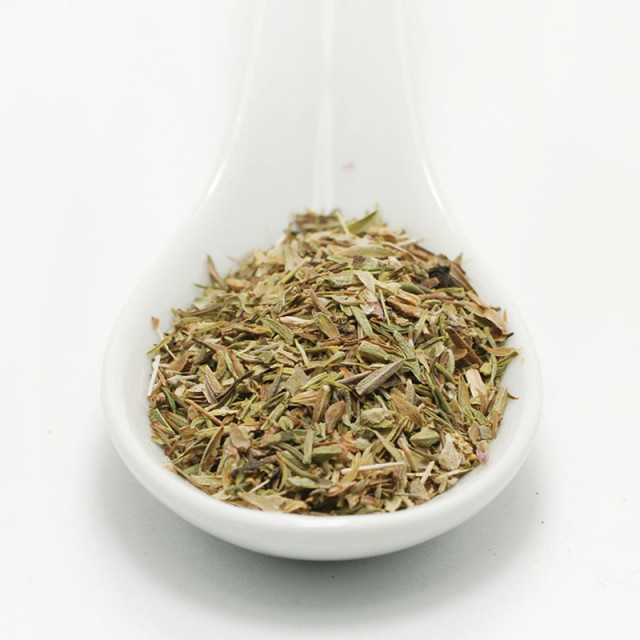
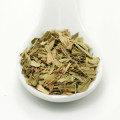
Tarragon is a delicate aromatic leaf with aniseed and peppery notes. It is used mainly as seasoning and occasionally as a mild digestive tea.
Send us a message and we reply within one working day. Or call us on (+30) 2610 221354 during shop hours.
Send a message(+30) 2610 221354Tarragon is a delicate aromatic leaf with aniseed and peppery notes. It is used mainly as seasoning and occasionally as a mild digestive tea.
Traditional literature describes tarragon as aromatic, diaphoretic, tonic, antiseptic, digestive and a menstrual regulator. Estragole contributes to the aroma but has genotoxic and carcinogenic potential in experimental data, so exposure from concentrated or prolonged medicinal use should be minimised.
Recorded uses of the herb include:
The best-known cultivated types are French and Russian tarragon.
Its main modern use remains culinary. It suits salads, soups, sauces, fish and poultry and flavours wine, vinegar, butter, mustard and pickles.
Add a small amount near the end of cooking. For an occasional tea, use up to 1/2 teaspoon in 200 ml water for 5–7 minutes and do not take it daily for a prolonged period.
The quantities are indicative and are based on traditional use and published phytotherapy literature. For prolonged use or when taking medication, consult a qualified healthcare professional.
In cooking it pairs with dill, parsley or thyme. For a mild digestive tea it may be combined with spearmint while keeping the tarragon amount small.
It suits salads, soups, sauces, fish and poultry and can flavour vinegar, butter, mustard and pickles.
Yes, occasionally and mildly: use up to half a teaspoon in 200 ml water for 5–7 minutes, not daily for long periods.
Tarragon contains estragole, so ordinary culinary amounts are preferred and concentrated preparations are avoided.
Have you tried Tarragon leaves? Tell us what you think.
2.35€50 g · 3 weights
1.85€50 g · 3 weights
2.90€50 g · 3 weights
0.65€50 g · 3 weights