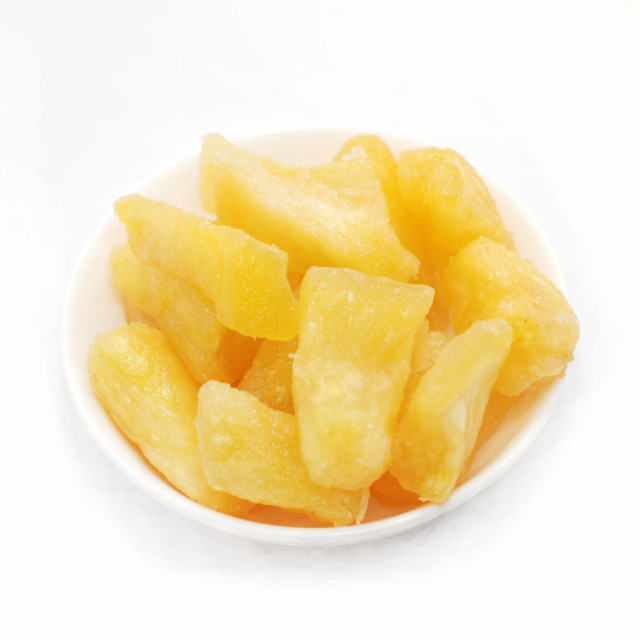
Pineapple, osmotic dried, no added sugar
2.99€100 g · 2 weights

 Zoom
Herbal Blends & Natural Elixirs
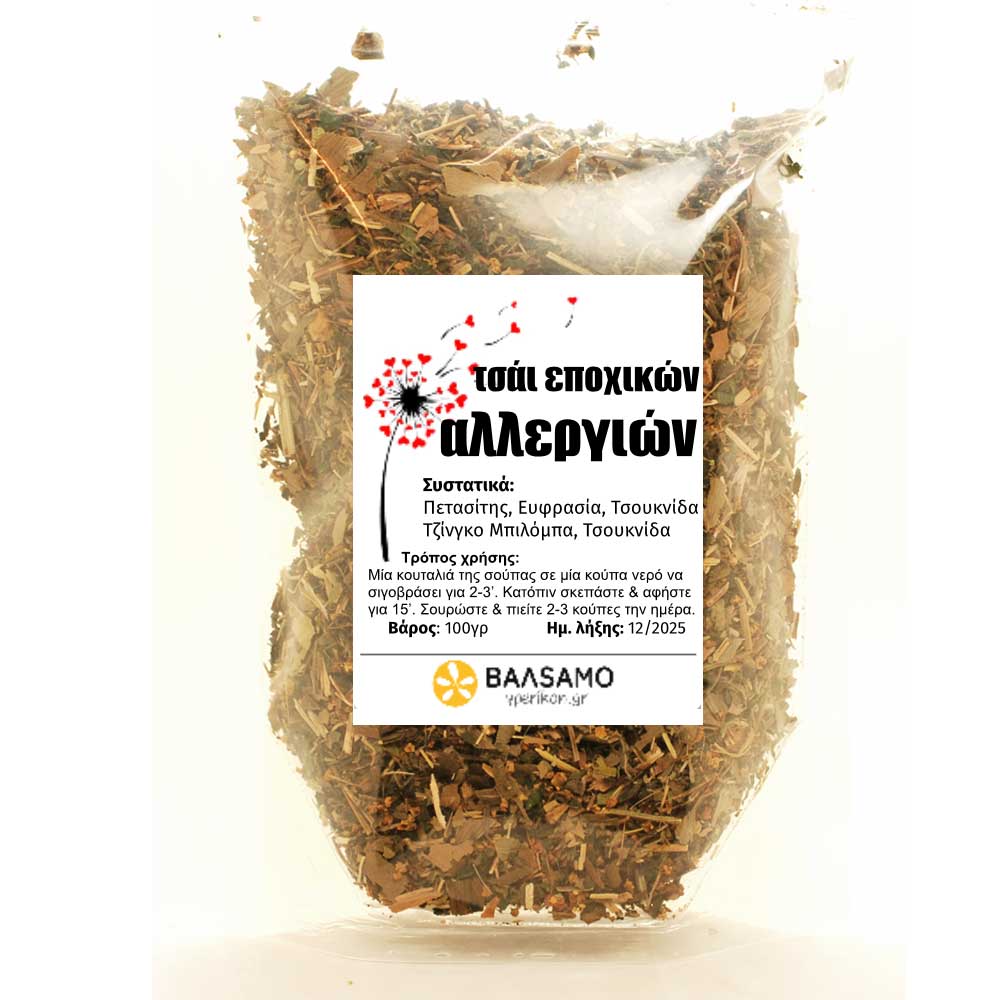
Embrace spring without the burden of seasonal allergies. This spring allergy tea is made with five herbs known for their relationship with the symptoms of allergic rhinitis.
Send us a message and we reply within one working day. Or call us on (+30) 2610 221354 during shop hours.
Send a message(+30) 2610 221354Embrace spring without the burden of seasonal allergies. This spring allergy tea is made with five herbs known for their relationship with the symptoms of allergic rhinitis.
Feverfew, nettle, elderflower, eyebright, ginkgo biloba.
Feverfew (Tanacetum parthenium) — the lead ingredient of the blend. Its characteristic compound, parthenolide, has been studied extensively in relation to inflammation and the mediators of the allergic response. It is traditionally associated with soothing the nasal passages and with sneezing, itching and congestion.
Nettle — has anti-inflammatory and mild antihistamine characteristics; combined with feverfew it forms the core pairing of the blend.
Elderflower — chosen for its relationship with the upper respiratory tract and irritated eyes.
Eyebright — traditionally associated with irritated eyes and with watery, itchy sensations.
Ginkgo biloba — with immunomodulatory properties, it supports overall respiratory health during the allergy season.
Add one level tablespoon of the blend to a cup of water and let it simmer for 2 minutes. Cover and leave for 10 minutes. Drink three times a day.
Tip: avoid food groups associated with increased mucus production, such as dairy and wheat. Fruit and vegetables, by contrast, help. Traditionally combined as well are bromelain (the pineapple enzyme), vitamin C from citrus, and probiotics.Amounts are indicative and based on traditional use and published herbal literature. For prolonged use or if you are on medication, consult a healthcare professional.
Asteraceae allergy. Feverfew belongs to the Asteraceae family. It is not suitable for anyone with a known allergy to mugwort, ragweed, daisy or chamomile — particularly likely in people with seasonal allergies, because of cross-reactivity. If in doubt, start with a small amount.
Feverfew. Not used during pregnancy, as it is traditionally regarded as an emmenagogue. After prolonged systematic use, abrupt discontinuation may be followed by a temporary worsening of symptoms — reduce gradually instead.
Anticoagulants. Both feverfew and ginkgo affect platelet function. They are not to be combined with anticoagulant or antiplatelet therapy without medical advice; discontinue two weeks before surgery. Caution is needed where there is a history of epilepsy, because of the ginkgo.
It does not replace your treatment. If you use antihistamines or nasal corticosteroids, do not stop them. In severe allergy with respiratory symptoms or a history of anaphylaxis, medical supervision is required.
Not recommended during pregnancy or breastfeeding without professional advice. Not intended for children. If you are on medication or have a chronic condition, consult your doctor before use.
Have you tried Tea for spring allergic rhinitis 100g? Tell us what you think.