The Remarkable Benefits of Barberries
The remarkable benefits of barberries
What if one plant could support your heart, help "cleanse" your liver and gut, and support healthy blood sugar levels?
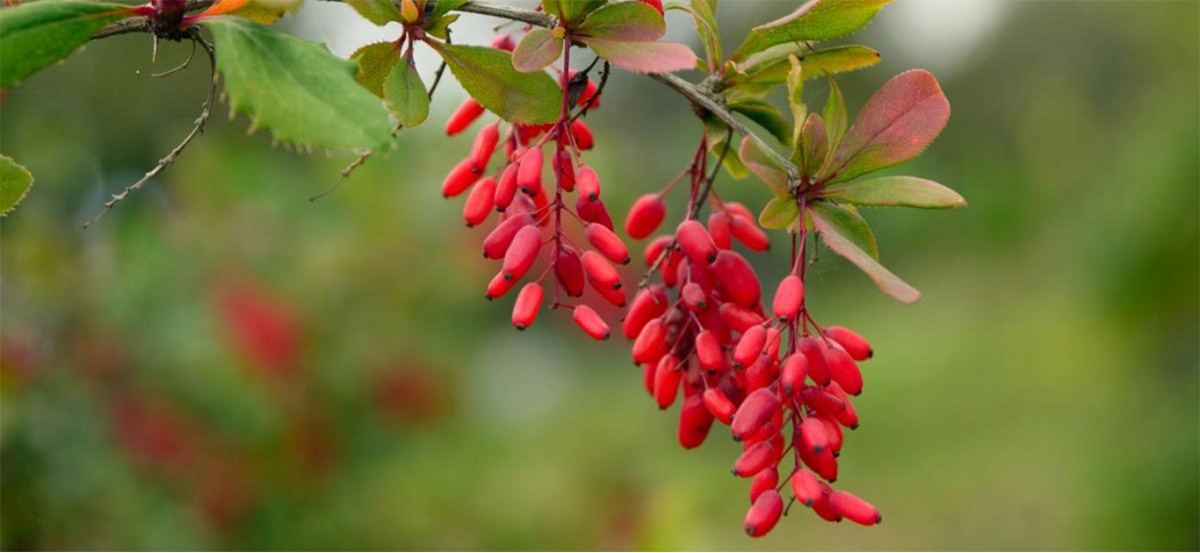
The common barberry (Berberis vulgaris), also known as European barberry, is a shrub of the Berberis genus. It produces oval, red, edible berries with a distinctly sour taste, which in many countries are enjoyed as a tart, refreshing fruit.
Barberry has been known for its medicinal uses for more than 200 years. It is traditionally used as a cleansing herb, valued for both stimulating and calming properties, and is studied for its potential against many pathogenic microorganisms.
Nutritional profile of barberries
Barberries are a source of vitamin C. They also contain B vitamins such as thiamin, and minerals such as zinc. They also contain a compound called berberine, which is valued in traditional medicine and is studied for its activity against bacteria, fungi and protozoa.
The berries, stems and root bark of barberry contain compounds such as protoberberine and isoquinoline alkaloids, which are traditionally used for a number of ailments.
100 grams of barberries contain:
- 316 calories
- 3.6 grams of protein
- 63.9 grams of carbohydrate
- 27.2 grams of sugars
- 3.5 grams of fat
- 7.4 grams of fibre
- 24 mg of vitamin C
In the kitchen
Dried Persian barberries are sweet and sour, and naturally rich in vitamin C and antioxidants. They are treasured in Mediterranean and Middle Eastern cooking: from pilaf to couscous, barberries are widely used. They add an exotic touch to salads, quinoa or chocolate bars.
How to cook with them
- Rinse before use.
- Rehydrate in water with sugar or saffron.
- Sauté the barberries for 1–2 minutes until they plump up. Take care not to overdo it and burn them, as they will turn bitter.

How barberries are traditionally used
Barberries are a wholesome fruit, packed with nutrients. Here are some of the ways they are traditionally used and studied:
Inflammation and infections
Studies have shown that barberry contains compounds with potential antimicrobial and antifungal activity. It is also studied for its anti-inflammatory potential.
Urinary tract
Barberries are also traditionally used for urinary tract health.
Blood sugar
The sugars in barberries need to be considered by people with diabetes. However, berberine has been studied in relation to healthy blood sugar levels, and barberries in moderate amounts are appreciated in routines focused on blood sugar balance.
Cholesterol
Barberries are also appreciated in routines focused on healthy cholesterol levels. Their fibre is studied for its role in binding cholesterol in the gut.
Circulation
Healthy blood flow is essential for delivering nutrients and oxygen around the body. Barberry is traditionally used to support circulation and is studied in relation to the relaxation of blood vessels.
Heart health
Foods that support healthy cholesterol, relaxed blood vessels and healthy blood pressure are ideal for the heart, and barberry is a popular choice in heart-friendly routines.
Immune system
Barberries contain vitamin C, which contributes to the normal function of the immune system and to the protection of cells from oxidative stress.
Metabolic health
Metabolic syndrome is not easy to manage. Barberry contains powerful compounds that are studied in relation to metabolic health.
Natural cleansing
One of the best-known traditional uses of barberry is for cleansing. It is traditionally used to support liver function and the body's natural detoxification.
Liver
The liver cleanses the body of toxins. Barberries are traditionally used to support the liver so that it can do its job well.
Eye health
Barberries are also valued for eye health. Berberine is studied in relation to vision and age-related macular degeneration.
Gut infections
Thanks to their potential antimicrobial and antifungal properties, barberries are traditionally used for digestive infections.
Sore throat
Barberries are traditionally used for sore throats and other mild conditions such as colds, and contain vitamin C.
Diarrhoea
Diarrhoea is often caused by bacteria, and barberry is traditionally used for it. If the condition is severe, contact your doctor straight away.
Digestion
Barberry is also traditionally used for digestion, thanks to its fibre content and its potential antibacterial and antifungal properties.
Mild food poisoning
In mild cases of food poisoning, barberries are a traditional home remedy, thanks to their antibacterial compounds. In severe cases, always see your doctor.
Skin
Barberry is traditionally used for certain skin complaints, such as acne and psoriasis, and contains compounds with potential antibacterial and antifungal properties.
Regular periods
Many factors can lead to irregular periods. Barberries are traditionally used to support a regular cycle.
Iron absorption
Iron is essential for health, but sometimes it is not absorbed as well as it could be. Barberries contain vitamin C, which increases iron absorption.
Blood pressure
Barberries are studied in relation to the relaxation of blood vessels, circulation and healthy blood pressure.
Precautions
Large amounts of barberries can cause serious side effects, such as nosebleeds and vomiting.
Barberry may be traditionally valued for the liver, but in young children it can cause liver problems, so it is best kept away from children.
Pregnant women should avoid barberries, as in some cases they could cause miscarriage (although this is rare).
People with diabetes should not combine their blood sugar medication with barberries without medical supervision.
Enjoy this wonderful berry in moderation and safely!