Herbal tea
Use 1–1.5 g of dried herb in 150–200 ml boiling water for 5–10 minutes. Drink 1–2 times daily, with no more than 3 g of herb in one day. Take before a meal for appetite or after food for indigestion.

 Zoom
Medicinal & Therapeutic Herbs
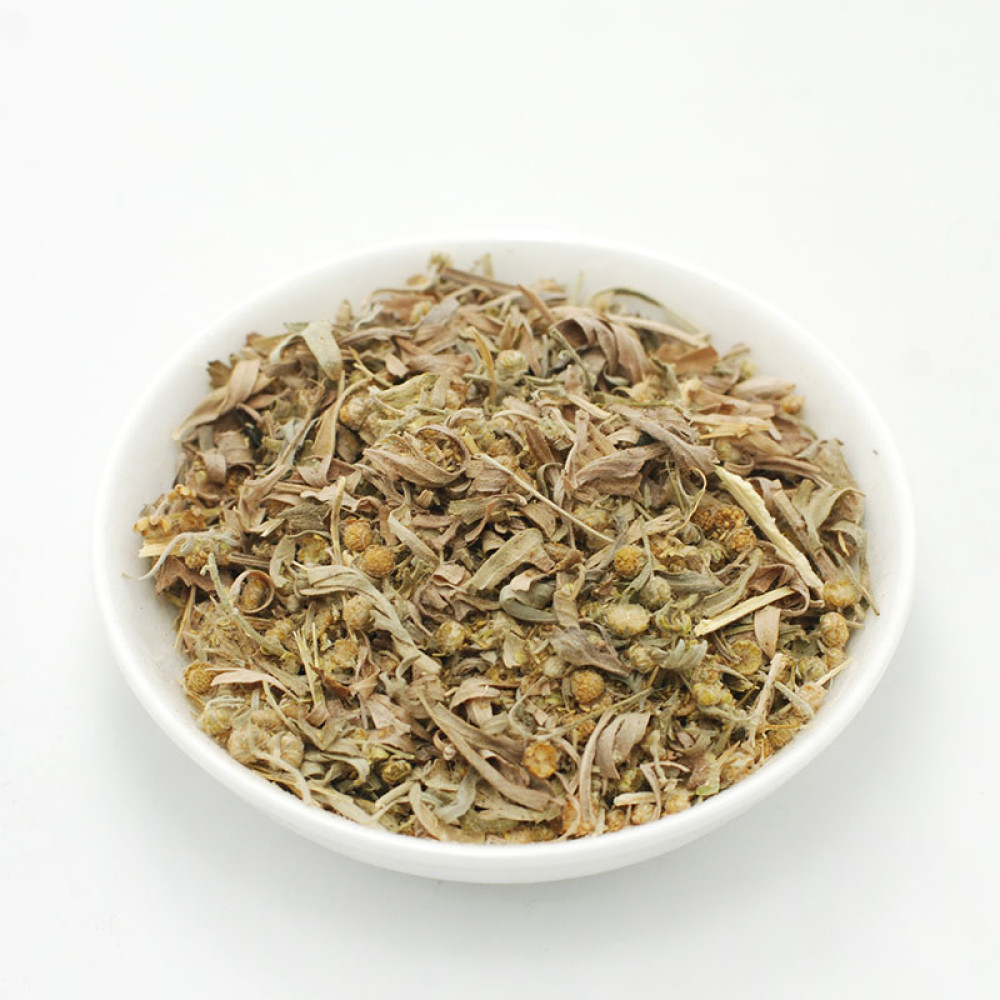
Artemisia absinthium L.
Also known as: absinthe wormwood, grand wormwood. In Greek: αψιθιά.
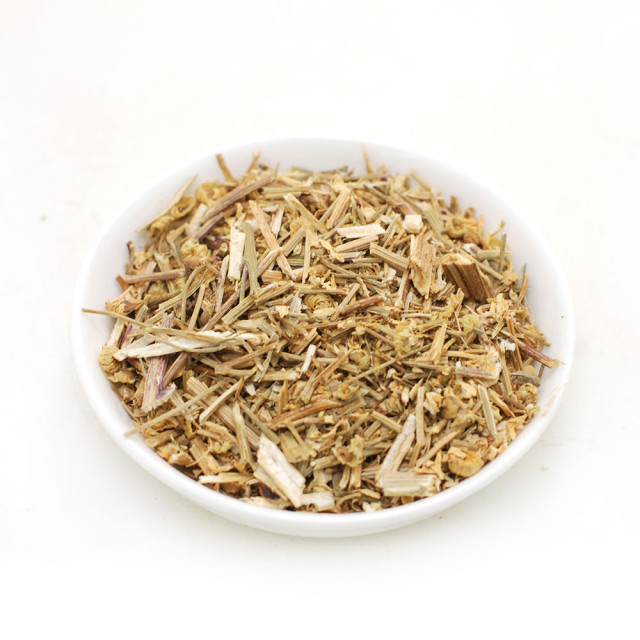
Wormwood is a markedly bitter, aromatic herb. It has traditional use for temporary loss of appetite, mild indigestion, a heavy feeling after food and mild heartburn, always in small amounts and for a limited period.
Send us a message and we reply within one working day. Or call us on (+30) 2610 221354 during shop hours.
Send a message(+30) 2610 221354Wormwood is a markedly bitter, aromatic herb. It has traditional use for temporary loss of appetite, mild indigestion, a heavy feeling after food and mild heartburn, always in small amounts and for a limited period.
Wormwood is traditionally described as a bitter tonic, digestive stimulant, nervine tonic, emmenagogue, expectorant, antispasmodic, antimicrobial, antifungal and anthelmintic herb. Its antiparasitic reputation is longstanding: European sources linked it with intestinal worms, while modern laboratory and animal studies examine extracts against parasites. Antiproliferative properties are also explored preclinically, without changing the ordinary use of the dried herb.
Contemporary herbal literature recognises traditional use for:
Broader tradition records intestinal parasites and worms, menstrual-flow support, fevers and infections. Older sources also associate wormwood with irritable bowel syndrome, Candida, diabetes, obesity and malaria as a parasitic infection; these conditions require diagnosis and targeted care.
For appetite it is taken before food and for digestion after food. Traditional anthelmintic use is a central part of its identity, but no parasite-treatment regimen is supplied for ordinary tea. Peppermint or anise may soften the bitterness without increasing the amount.
Use 1–1.5 g of dried herb in 150–200 ml boiling water for 5–10 minutes. Drink 1–2 times daily, with no more than 3 g of herb in one day. Take before a meal for appetite or after food for indigestion.
The quantities are indicative and are based on traditional use and published phytotherapy literature. For prolonged use or when taking medication, consult a qualified healthcare professional.
For digestive comfort it may be combined with peppermint, fennel or anise. Do not combine it with other thujone-containing plants or large amounts of additional strong bitters.
Yes, but no specific deworming regimen is supplied for ordinary tea.
Before food for appetite and after food for indigestion or heaviness.
Because of thujone: adults only, up to 2 weeks and never with its essential oil.
Have you tried Wormwood herb? Tell us what you think.
1.90€50 g · 3 weights
2.50€50 g · 3 weights
1.45€50 g · 3 weights
2.60€50 g · 3 weights