As a drink
1 tsp of powder in 250 ml of water at 80°C. Stir well — it is not strained, the sediment is drunk.

 Zoom
Medicinal & Therapeutic Herbs
Ilex paraguariensis A. St.-Hil.
Also known as: yerba mate powder, ground mate.
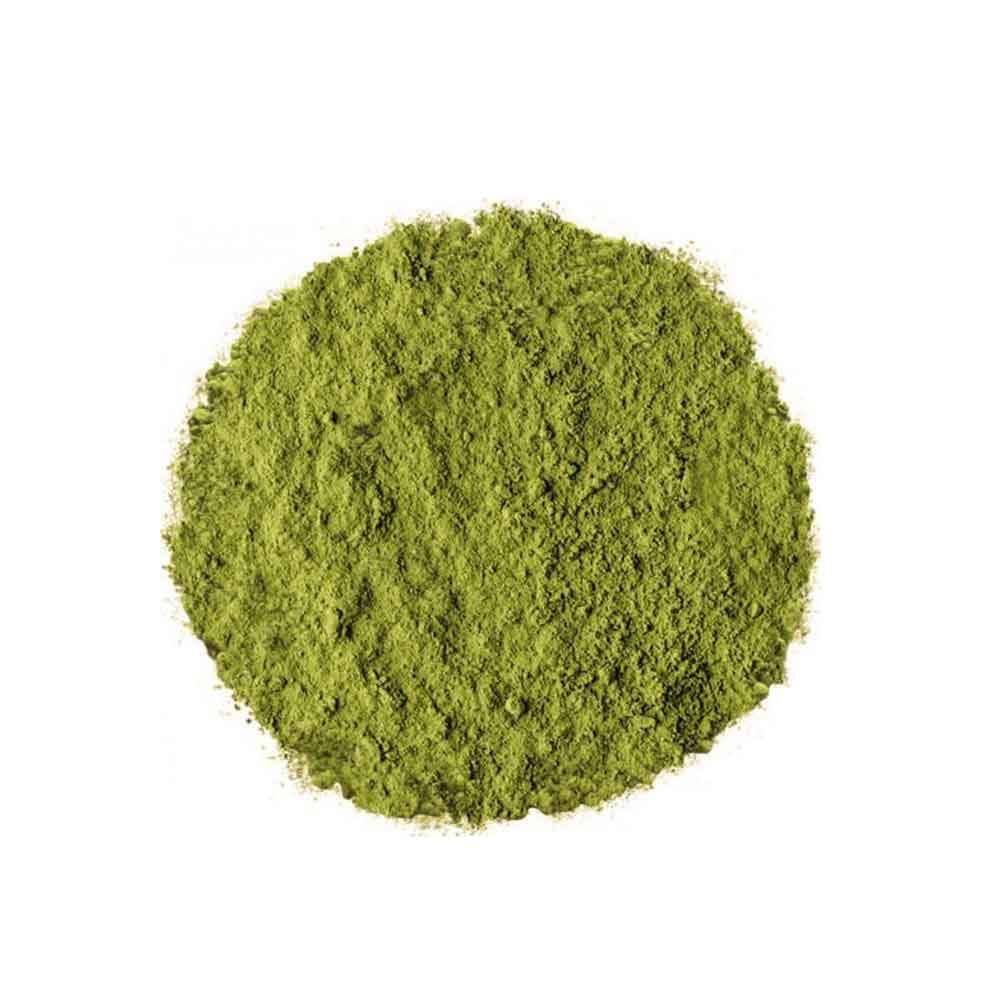
Ground mate leaves (Ilex paraguariensis) from Brazil, as a fine powder, in a 100g pack.
Send us a message and we reply within one working day. Or call us on (+30) 2610 221354 during shop hours.
Send a message(+30) 2610 221354Ground mate leaves (Ilex paraguariensis) from Brazil, as a fine powder, in a 100g pack.
The difference from loose leaves is practical and real: the powder is not strained. You take in the whole leaf, not only what passes into the water — much as matcha compares with a green tea leaf.
Mate is among the few plants carrying caffeine and theobromine at once, theobromine being the xanthine of cocoa. Its caffeine content sits below coffee and above tea.
The leaf brings polyphenols, flavonoids and saponins, carotene and 15 amino acids. Among the micronutrients recorded are vitamins A, C, E, B1, B2, B5, niacin and the minerals calcium, magnesium, iron, selenium, phosphorus and zinc. The antioxidant capacity of the infusion measures slightly above that of green tea.
Traditionally associated with energy, focus, metabolism and physical performance in exercise.
The powder form opens up uses the leaf does not cover: smoothies, latte style drinks with milk or a plant based drink, stirring into yoghurt, even doughs and energy bars. It travels easily, since no equipment is needed.
Research on the plant is extensive and largely preclinical. Its ingestion has been examined in relation to fat oxidation and energy expenditure during exercise; aqueous extracts as an antimicrobial agent against Escherichia coli; its saponins with quercetin with respect to iNOS and COX-2 in cell models; an aqueous extract in rabbits with respect to atherosclerosis and cholesterol, and in mice with respect to weight and blood sugar. These findings are not sufficiently confirmed in humans.
1 tsp of powder in 250 ml of water at 80°C. Stir well — it is not strained, the sediment is drunk.
Half to one teaspoon in the blender, with milk or a plant based drink, banana and cocoa.
Dissolve in iced water with lemon juice and mint leaves — the summer version from Paraguay.
Quantities are indicative and based on traditional use and published herbal literature. For prolonged use, or if you are on medication, consult a healthcare professional.
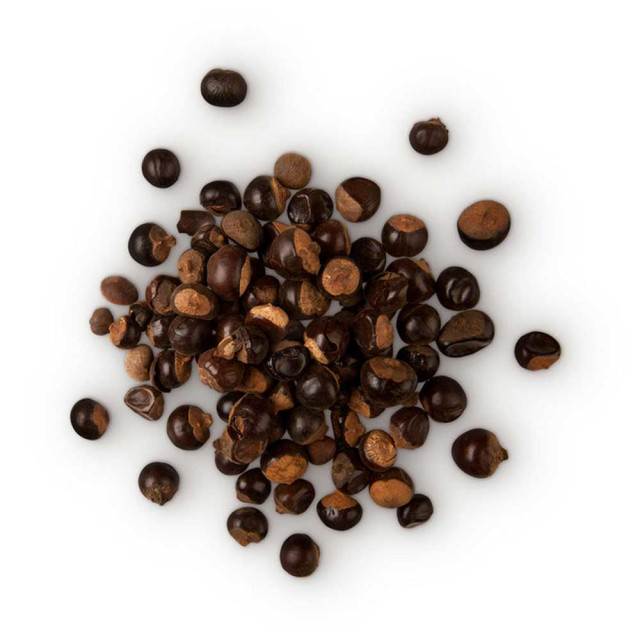
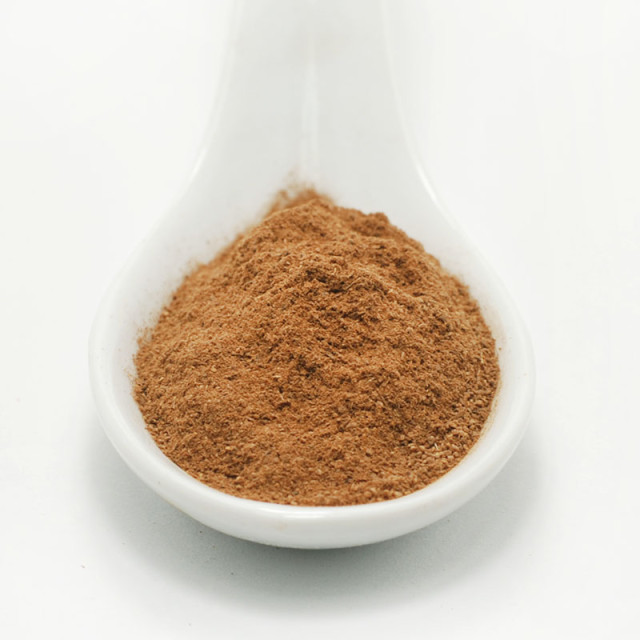
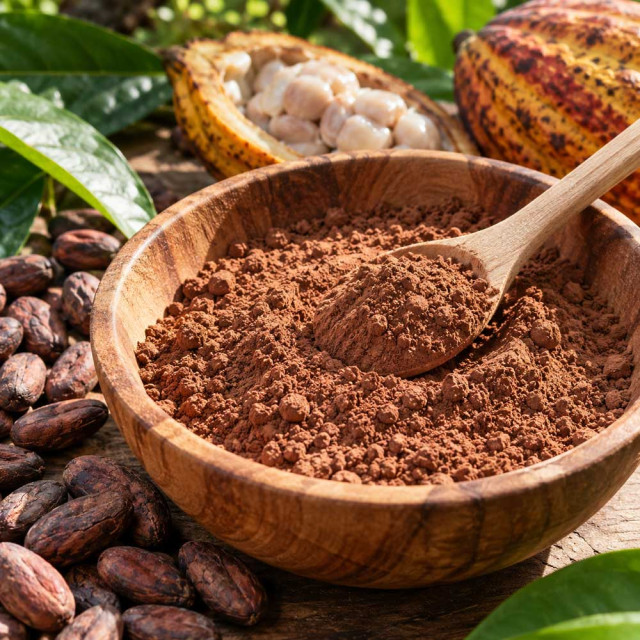
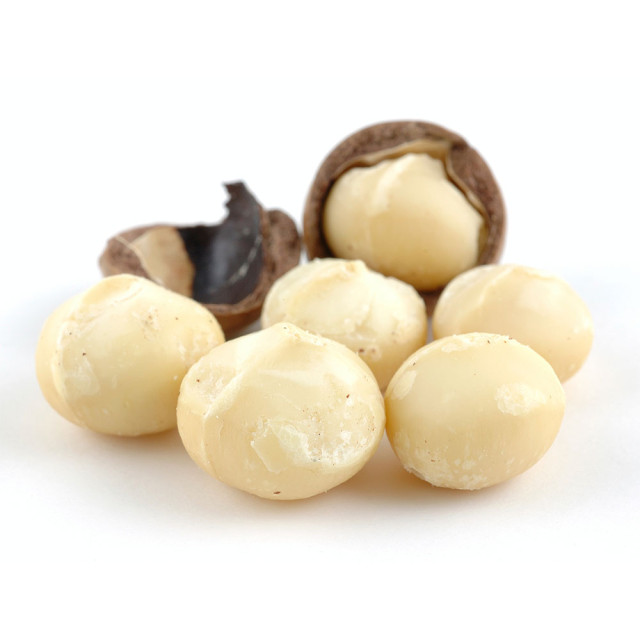
It works with cocoa and cinnamon in drinks, with ginger and lemon served cold, and with guarana or maca in superfood blends.
The powder is not strained: the whole leaf is consumed. It suits smoothies, milk drinks and recipes, while the leaves are made for infusion.
Around 80°C. Boiling water spoils the flavour and makes the drink more bitter, and very hot drinks are not advised.
Yes. It stirs into doughs, energy bars, yoghurt and desserts, where it gives an earthy note close to matcha.
Have you tried Mate powder from Brazil 100g? Tell us what you think.
7.45€50 g · 3 weights
1.56€50 g · 3 weights
3.60€100 g · 2 weights
3.26€100 g · 2 weights