Do it YourselfNutritionSuperfoods
Adding This Ingredient to Your Rice Could Cut Its Calories in Half

Adding this ingredient to your rice could cut its calories in half
It sounds contradictory, but research has found that adding a particular type of healthy fat to rice as it cooks could reduce the calories in this starchy, carbohydrate-rich staple.
A cup of cooked rice usually contains around 240 calories and is made up of both digestible and resistant starch. Humans lack the enzyme needed to digest resistant starch, which means the body cannot turn this part of the starch into sugar and absorb it into the bloodstream.
Researchers at the College of Chemical Sciences in Sri Lanka successfully tested their theory that a specific heating and cooling process could increase the amount of resistant starch and so reduce the calories the body absorbs.
Here is how, according to the researchers, you can cut the calories in your rice by more than half:
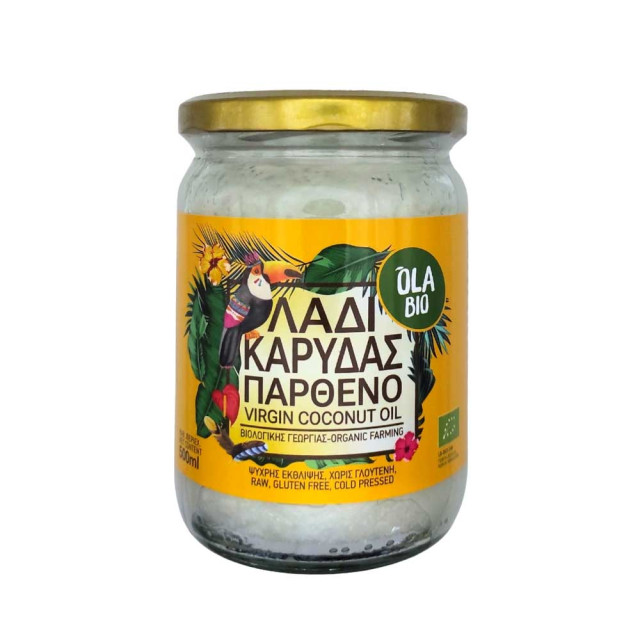
- Add a teaspoon of coconut oil to boiling water, then add half a cup of rice.
- Simmer for 40 minutes, or boil for 20 to 25 minutes.
- Then put the cooked rice in the fridge for 12 hours, which means you will need to cook it in advance.

What happens to the rice
The researchers say that with this method the oil enters the starch granules during cooking and forms a protective layer, which appears to change the structure of the rice grains so that they resist the digestive enzyme. In the end, this means the body absorbs fewer calories from the rice.
Cooking is only part of this fascinating food chemistry experiment. During the long cooling period, as the rice begins to "gel", amylose, the starchy part of the rice, leaves the grains. The 12-hour cooling period also leads to hydrogen bonds forming between amylose molecules outside the rice grains. This turns it into starch that the body cannot digest.
Happily, you won't have to eat your rice cold for it to keep its lower calorie content. The scientists say that reheating the rice later does not change its chemical make-up. The researchers also say that rice cooked this way is not just good for your waistline; it may also support a healthier gut, as the resistant starch in the rice is a rich source of fuel for the body's "good bacteria".
These findings were presented at the 249th National Meeting & Exposition of the American Chemical Society.
Next, the researchers plan to carry out studies in humans to find out which varieties of rice work best for this calorie-cutting process, and whether other oils could be used too.
Parboiled rice
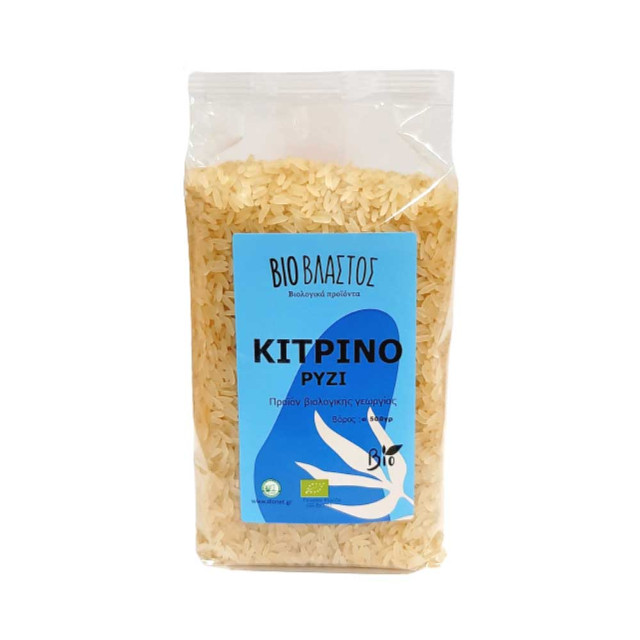
It is worth noting that there is already a type of rice known as parboiled or "converted" rice, which is both lower in calories and much lower on the glycaemic index, at 38. When parboiled rice is made, the vitamins and minerals in the husk are driven by steam into the starchy, gelatinised grain, where they stay once it is dried. This keeps around 80% of the nutrients, as in brown rice, and also creates "prebiotic" fuel (type 3 resistant starch) for beneficial gut bacteria.
You can read the American Chemical Society's official press release on their work here: New low-calorie rice could help cut rising obesity rates
Article source: Adding this ingredient to your rice could cut calories in half, CBS News
References
[i] Elizabete Helbig, Alvaro Renato Guerra Días, Rafael Aldrighi Tavares, Manoel Artigas Schirmer, Moacir Cardoso Elias. [The effect of parboiled rice on glycemia in Wistar rats]. Arch Latinoam Nutr. 2008 Jun;58(2):149–55.