Organic raw Criollo cacao powder
3.60€100 g · 2 weights

 Zoom
Medicinal & Therapeutic Herbs
Also known as: agar, agar-agar, kanten, vegetable gelatin, plant gelatin.
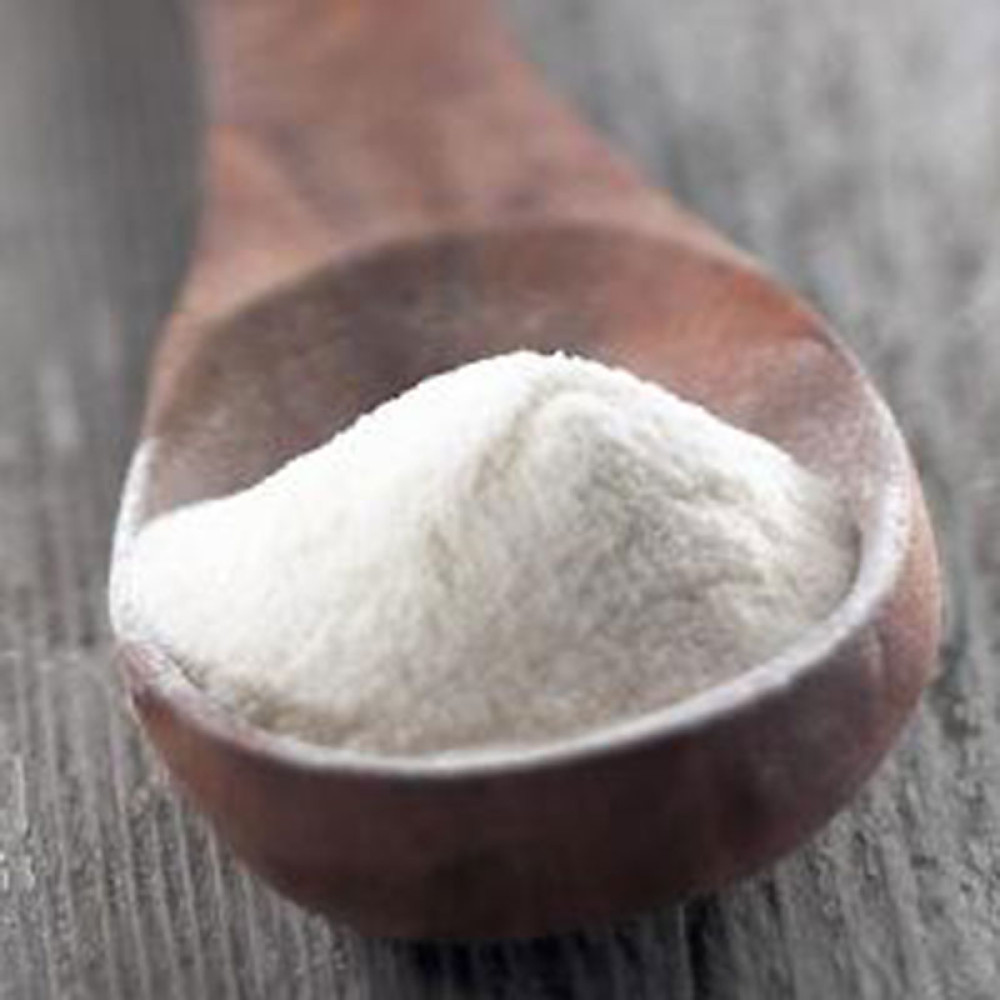
Agar is a natural gelling material obtained from red algae, especially genera such as Gelidium and Gracilaria. The powder dissolves in liquid with heat and sets into a firm gel as it cools. It is widely chosen as a plant-based alternative to gelatin in vegan and vegetarian recipes.
Send us a message and we reply within one working day. Or call us on (+30) 2610 221354 during shop hours.
Send a message(+30) 2610 221354Agar is a natural gelling material obtained from red algae, especially genera such as Gelidium and Gracilaria. The powder dissolves in liquid with heat and sets into a firm gel as it cools. It is widely chosen as a plant-based alternative to gelatin in vegan and vegetarian recipes.
Its culinary history is closely associated with Japan, where it is called kanten. Tradition places its discovery around 1650, when an innkeeper noticed that a seaweed preparation gelled after cooling. Beyond food, agar became a fundamental microbiology medium and was historically used in brewing and textile sizing.
Unlike animal gelatin, agar usually creates a cleaner, firmer set and has no characteristic taste or odour. It is more heat-stable, but its texture is less creamy and elastic, so the ratio should be adapted for a soft jelly, spoonable cream or firm slice.
Agar consists mainly of polysaccharides and is especially rich in dietary fibre. It binds substantial amounts of water, swells in the digestive tract and forms a gel. Pure agar naturally contains no gluten, dairy, egg, soy or yeast, although people with allergies or coeliac disease should still check the label for cross-contamination.
Its water-binding capacity explains both its culinary performance and its traditional use as a gentle bulking fibre for satiety and regular bowel movements. The gel-forming effect has also been studied in relation to glucose absorption, bile acids and cholesterol, while a small recipe quantity should not be confused with a defined daily fibre intake.
Culinary use: suitable for fruit jellies, creams, vegan panna cotta, preserves, spoon sweets, ice cream, glazes, sauces, soups and savoury terrines. Because it sets on cooling and remains stable at warmer temperatures than gelatin, it is useful for desserts served outside the refrigerator.
As a food ingredient it can contribute bulking fibre. With adequate water, gel-forming fibre may support normal intestinal transit and fullness. References to glucose, bile, cholesterol and weight management relate to total soluble-fibre intake within a balanced diet.
Basic ratio: about 1 teaspoon of agar powder for 1 cup of liquid. Final firmness depends on the liquid, acidity, sugar content and desired texture.
Agar swells strongly. When used as a fibre it must be taken with sufficient water and should never be swallowed dry. Avoid it with swallowing difficulty, suspected intestinal obstruction, severe unexplained abdominal pain or bleeding. Leave a time gap from oral medicines because fibre may affect absorption. Excessive amounts may cause bloating or changes in bowel movements.
Disperse it in liquid and bring it to a full boil. It sets as the mixture cools.
A useful starting point is about 1 teaspoon per cup, adjusted for the recipe and desired firmness.
Not exactly. Agar generally gives a firmer, cleaner gel, while gelatin creates a more elastic and creamy texture.
Have you tried Agar agar powder? Tell us what you think.
3.60€100 g · 2 weights
1.45€50 g · 3 weights
4.50€100 g · 2 weights