 Zoom
Medicinal & Therapeutic Herbs
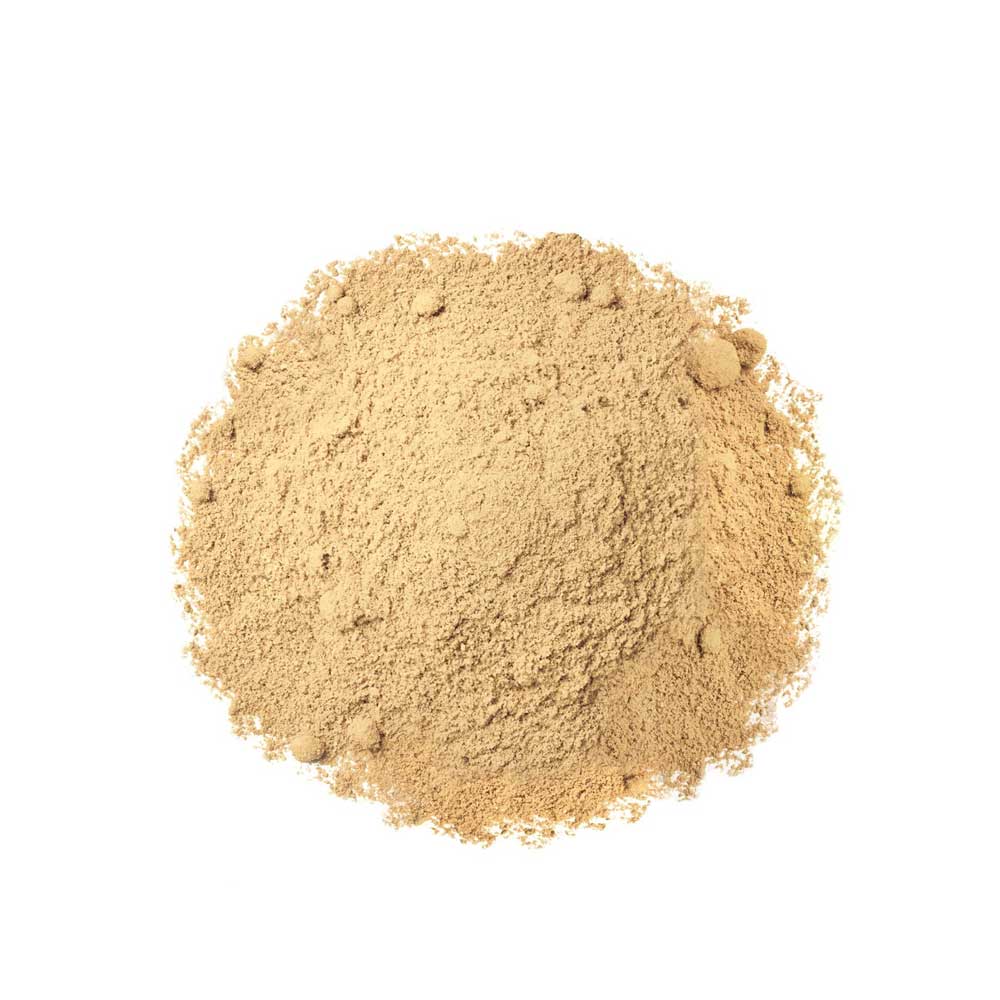
Amla (Amalaki) fruit powder
Phyllanthus emblica L., syn. Emblica officinalis Gaertn.
Also known as: amla, amalaki, Indian gooseberry. In Greek: άμλα, αμαλάκι, ινδικό φραγκοστάφυλο.
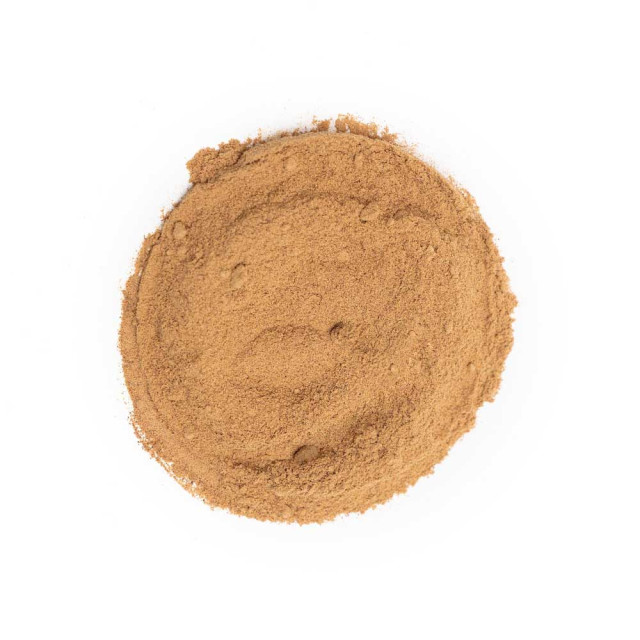
Amla is powder made from the dried fruit of Phyllanthus emblica (syn. Emblica officinalis), a tree central to Ayurveda. Its distinctly sour, astringent fruit provides vitamin C, tannins, polyphenols and dietary fibre.
Shipping options
- EU countries: DHL from €18 · free over €200 (first 2 kg, by volumetric weight)
- Cyprus: ACS, BOX NOW or DHL · free with ACS or BOX NOW over €99
- Greece: ACS or ELTA to your door from €4.00 · ACS or BOX NOW lockers from €2.40 · free over €49 (first 3 kg)
- Usually dispatched within 1–2 business days
Payment methods
- Card, Google Pay, Apple Pay, with no extra charge
- Cash on delivery (Cyprus and Greece): ACS +€2.50 · ELTA +€3.50
- IRIS or bank transfer (Greece only)
Send us a message and we reply within one working day. Or call us on (+30) 2610 221354 during shop hours.
Send a message(+30) 2610 221354What it is
Amla is powder made from the dried fruit of Phyllanthus emblica (syn. Emblica officinalis), a tree central to Ayurveda. Its distinctly sour, astringent fruit provides vitamin C, tannins, polyphenols and dietary fibre.
It is an ingredient in traditional combinations such as triphala and is used both as a food and in cosmetic masks for hair and skin. The many traditional references do not all have the same level of clinical evidence.
Key properties
Polyphenols and vitamin C contribute antioxidant protection, while dietary fibre supports normal bowel function. Research also explores lipids, glucose, inflammatory markers and skin protection, but the powder is not a substitute for prescribed care.
Uses
Ayurvedic tradition and research references include:
- vitamin C, blood vessels and normal immune function
- cholesterol, triglycerides and cardiovascular wellness as nutrition research areas
- antioxidant protection from free radicals and inflammatory processes
- skin hydration and appearance, as food or in a mask with honey and yoghurt
- dietary fibre, digestion, stomach acidity and constipation
- traditional use for joints and inflammatory discomfort
- healthy ageing and general rejuvenation in Ayurveda
- glucose and insulin response as subjects of modern research
- traditional blood and haemoglobin support within a balanced diet
- hair, scalp, dandruff and seasonal shedding care with an external mask.
Preparation & dosage
As food: start with ¼–½ teaspoon once or twice daily in water, juice, a smoothie, yoghurt or breakfast. Banana or a little honey balances its sourness. Hair mask: mix with water or yoghurt into a paste, leave for about 30 minutes and rinse very thoroughly after first patch testing.
The quantities are indicative and based on traditional use and published herbal medicine literature. For extended use or while taking medication, consult a healthcare professional.
Combinations with other herbs
It is traditionally combined with haritaki and bibhitaki in triphala. In smoothies it pairs with banana, apple, ginger or yoghurt. Adjust combinations with other acidic fruit powders to individual stomach tolerance.
Precautions
Amla can aggravate gastritis, reflux or a sensitive bowel. Monitor glucose with diabetes medication and seek advice with anticoagulant or antiplatelet medicines. Vitamin C increases iron absorption, which matters in iron-overload conditions. Professional guidance is appropriate in pregnancy, breastfeeding, serious kidney or liver disease. Stop external use if irritation appears.
Frequently asked questions
What does amla taste like?
It is distinctly sour and astringent, so it is commonly mixed into a smoothie, juice or yoghurt.
How is amla used for hair?
Make a paste with water or yoghurt, patch test first, leave for about 30 minutes and rinse thoroughly.
Is amla the same as triphala?
No. Amla is one fruit, while triphala combines amla, haritaki and bibhitaki.
Reviews
Have you tried Amla fruit powder? Tell us what you think.