 BIO Zoom
Medicinal & Therapeutic Herbs
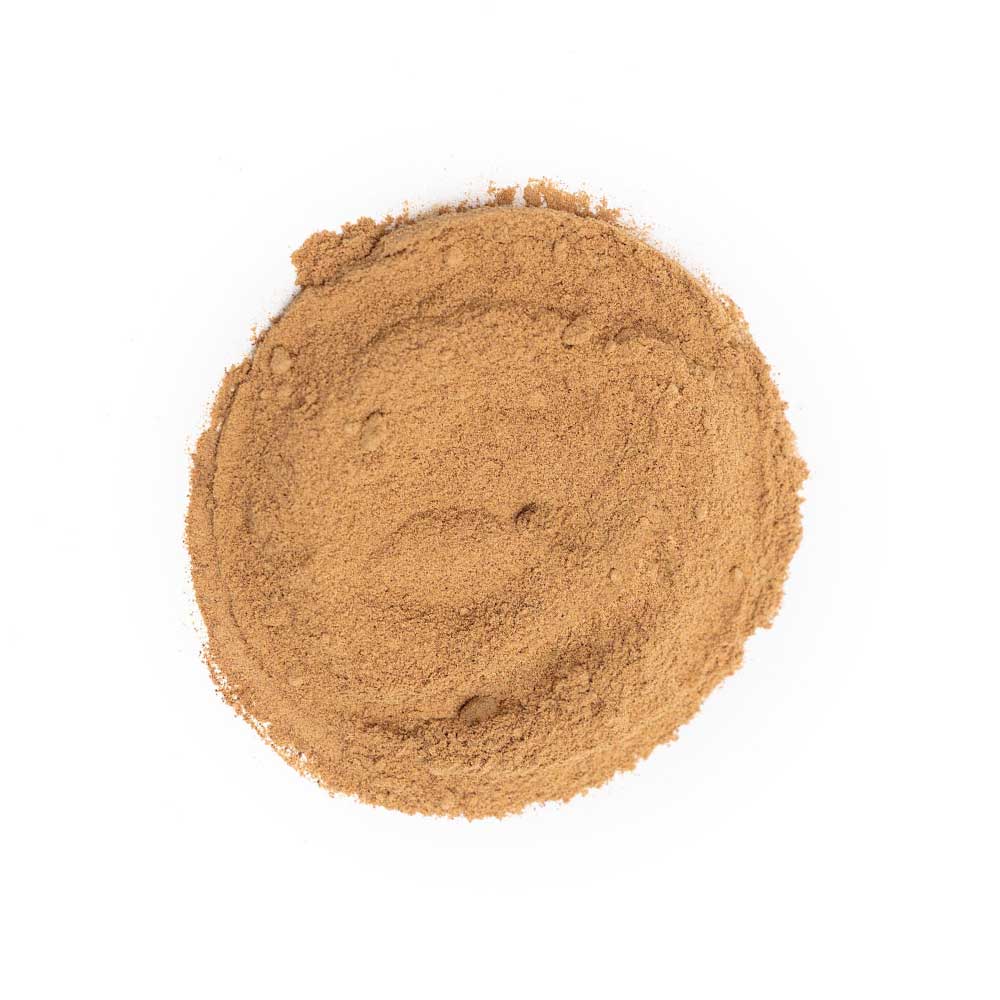
Organic camu camu powder
Myrciaria dubia (Kunth) McVaugh.
Also known as: camu camu, cacari, camo camo, rumberry.
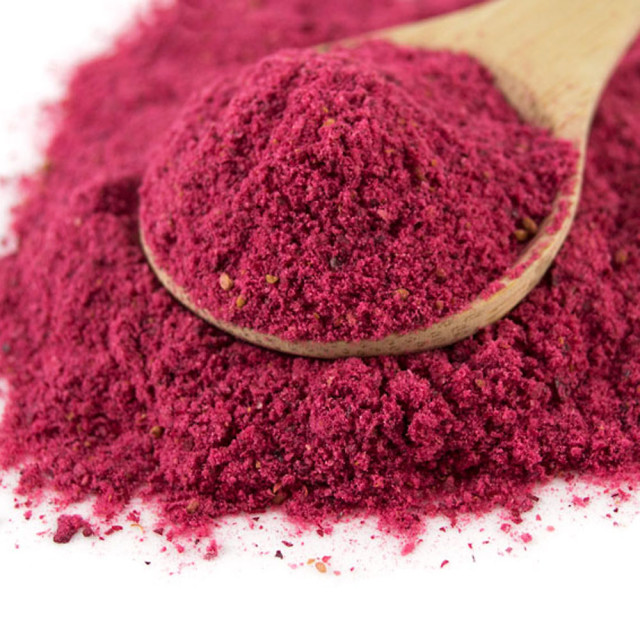
Camu camu is the small reddish fruit of Myrciaria dubia, a shrub of Amazonian floodplains in Peru and Brazil. The organic powder retains its distinctly tart flavour and is an exceptionally concentrated natural source of vitamin C.
Shipping options
- EU countries: DHL from €18 · free over €200 (first 2 kg, by volumetric weight)
- Cyprus: ACS, BOX NOW or DHL · free with ACS or BOX NOW over €99
- Greece: ACS or ELTA to your door from €4.00 · ACS or BOX NOW lockers from €2.40 · free over €49 (first 3 kg)
- Usually dispatched within 1–2 business days
Payment methods
- Card, Google Pay, Apple Pay, with no extra charge
- Cash on delivery (Cyprus and Greece): ACS +€2.50 · ELTA +€3.50
- IRIS or bank transfer (Greece only)
Send us a message and we reply within one working day. Or call us on (+30) 2610 221354 during shop hours.
Send a message(+30) 2610 221354What it is
Camu camu is the small reddish fruit of Myrciaria dubia, a shrub of Amazonian floodplains in Peru and Brazil. The organic powder retains its distinctly tart flavour and is an exceptionally concentrated natural source of vitamin C.
Beyond ascorbic acid, the fruit provides anthocyanins, ellagic acid and other flavonoids, with smaller amounts of beta-carotene, calcium, iron, niacin, phosphorus, riboflavin, thiamine and amino acids. Actual content depends on the fruit and processing.
Key properties
Vitamin C contributes to normal immune function, protection of cells from oxidative stress, collagen formation for skin, gums and blood vessels, and reduced tiredness. Polyphenols and anthocyanins broaden the fruit’s antioxidant profile.
Human, cell and animal studies have examined inflammatory markers, blood pressure, post-meal glucose, microbiota, body weight and antimicrobial activity. The evidence level is not the same for every use.
Uses
Dietary and research-related references include:
- immune function and increased vitamin C intake
- antioxidant protection and oxidative stress, with particular interest in smokers
- inflammatory markers and ellagic acid
- normal collagen formation for gums, skin and blood vessels
- eyes and epithelial tissues within the complete nutrient profile
- mood, mental alertness and clarity in traditional references
- respiratory wellness, asthma and viral infections as traditional themes
- influenza, colds and herpes as folk-use terms without equal clinical evidence
- blood pressure and arteriosclerosis as early research areas
- glucose, diabetes and post-meal response
- weight, obesity, energy expenditure and microbiota in preclinical models
- antibacterial and antiseptic activity in laboratory studies
- Parkinson’s disease and neuroprotective mechanisms as a very early research field.
Preparation & dosage
Daily use: mix 1 teaspoon into a smoothie, juice or yoghurt. Balance the tart taste with banana, apple or a natural sweetener such as honey, agave, carob syrup or maple syrup. Avoid prolonged boiling because vitamin C is heat-sensitive.
The quantities are indicative and based on traditional use and published herbal medicine literature. For extended use or while taking medication, consult a healthcare professional.
Combinations with other herbs
Pairs well with banana, apple, acerola, sea buckthorn or yoghurt. When several highly concentrated vitamin C sources are combined, consider total daily intake.
Precautions
Large vitamin C amounts may cause nausea, heartburn, cramps or diarrhoea. Use care with haemochromatosis and other iron-overload conditions because vitamin C increases iron absorption. A history of oxalate kidney stones or serious kidney disease requires medical advice. Natural acidity may irritate gastritis or a sensitive stomach.
Frequently asked questions
How is camu camu powder used?
Mix 1 teaspoon into a smoothie, juice or yoghurt and balance the tart taste with fruit or a sweetener.
Why is camu camu known for vitamin C?
The fruit has a very high natural ascorbic-acid concentration together with polyphenols and anthocyanins.
Who should be cautious with high intake?
People with iron overload, a history of oxalate stones or serious kidney disease need guidance.
- Antioxidant and Associated Capacities of Camu Camu (Myrciaria dubia): A Systematic Review
- Antigenotoxic effect of acute, subacute and chronic treatments with Amazonian camu-camu (Myrciaria dubia) juice on mice blood cells
- Morphological and genetic diversity of camu-camu [Myrciaria dubia (Kunth) McVaugh] in the Peruvian Amazon
- Tropical fruit camu-camu (Myrciaria dubia) has anti-oxidative and anti-inflammatory properties
- Small Brazilian wild fruits: Nutrients, bioactive compounds, health-promotion properties and commercial interest
- Treatment with camu camu ( Myrciaria dubia) prevents obesity by altering the gut microbiota and increasing energy expenditure in diet-induced obese mice
- Effect of clarified Brazilian native fruit juices on postprandial glycemia in healthy subjects
- Antimicrobial constituents of peel and seeds of camu-camu (Myrciaria dubia)
- In vitro antioxidant and antihypertensive compounds from camu-camu (Myrciaria dubia McVaugh, Myrtaceae) seed coat: A multivariate structure-activity study
Reviews
Have you tried Organic camu camu powder? Tell us what you think.