Infusion or decoction
1–2 g of root (approx. 1 teaspoon) per cup of hot water. Infusion 10 minutes or simmer 5 minutes. Drink 2–3 times daily, before meals for appetite-stimulating action.

 Zoom
Medicinal & Therapeutic Herbs
Angelica archangelica L.
Also known as: Archangel, Garden Angelica, Wild Celery, Norwegian Angelica.
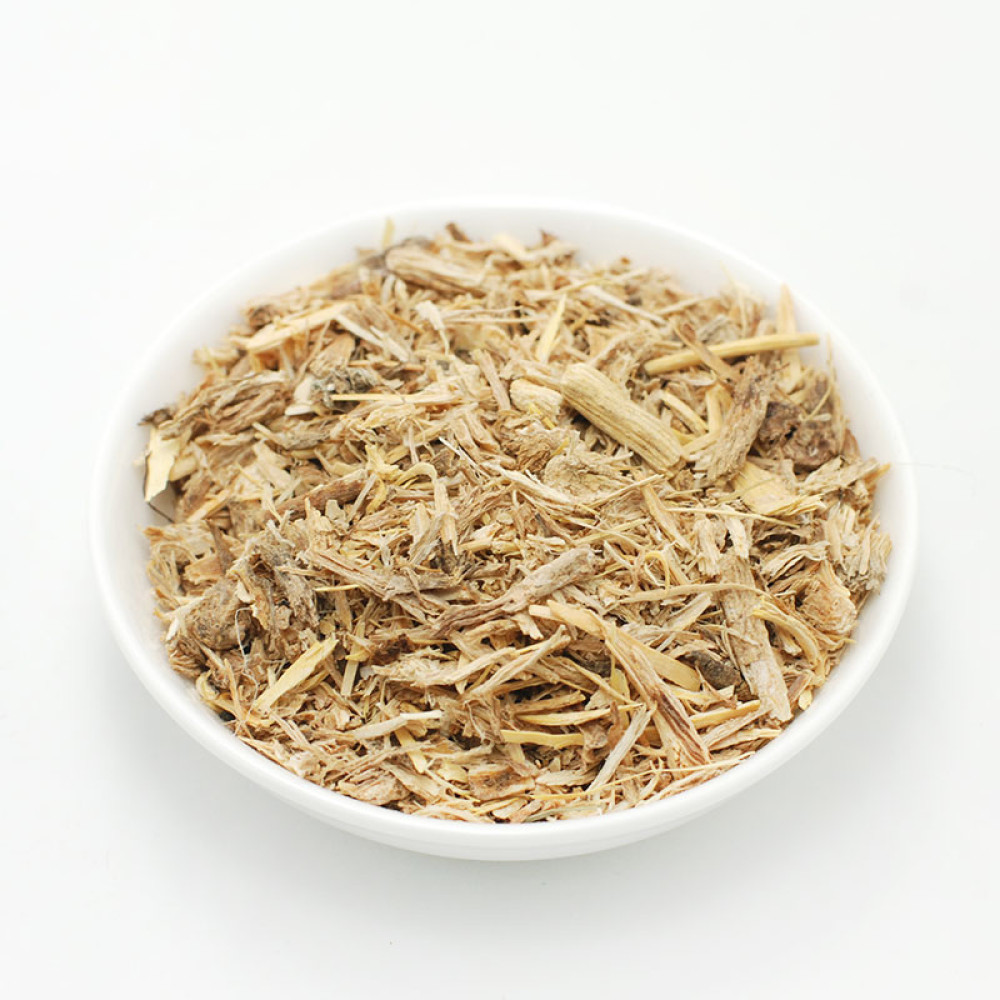
Angelica is a biennial or perennial aromatic plant of the carrot family, native to cold mountainous regions of Northern Europe. Its root is traditionally used for digestive complaints, bronchial issues and rheumatic conditions.
Send us a message and we reply within one working day. Or call us on (+30) 2610 221354 during shop hours.
Send a message(+30) 2610 221354Angelica is a biennial or perennial aromatic plant of the carrot family, native to cold mountainous regions of Northern Europe. Its root is traditionally used for digestive complaints, bronchial issues and rheumatic conditions.
The root is naturally rich in essential oil (β-phellandrene, α-pinene), furanocoumarins, bitter compounds and tannins. Bitter compounds stimulate digestive secretions; the essential oil has mild antispasmodic action. Traditional phytotherapy describes angelica as warming, tonic, antispasmodic, diaphoretic, expectorant, aromatic, diuretic and anti-inflammatory.
In traditional European phytotherapy, angelica has been documented in:
and as a supportive herb in rheumatic conditions.
Traditionally appreciated in wellness routines focused on digestion, appetite and elimination of gas.
Also used in aromatic drinks and liqueurs (Chartreuse, Bénédictine), and in confectionery.
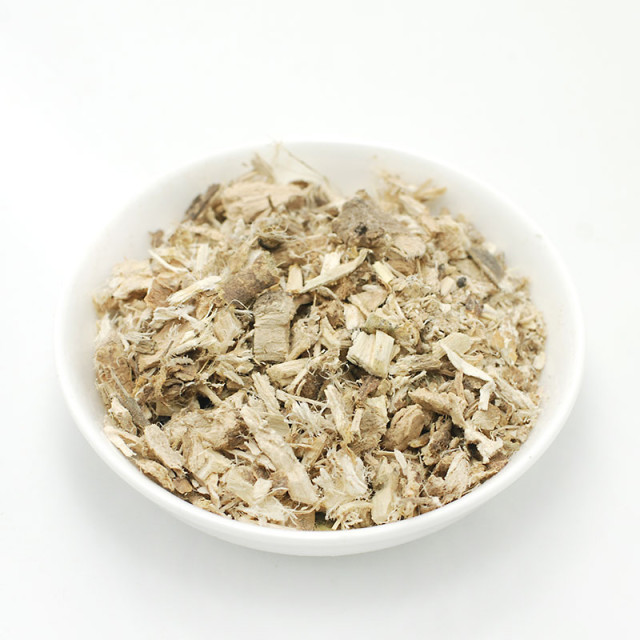
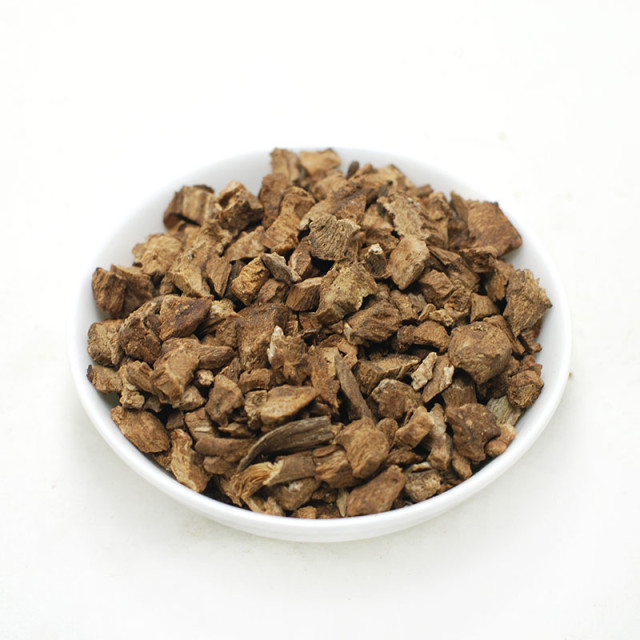
1–2 g of root (approx. 1 teaspoon) per cup of hot water. Infusion 10 minutes or simmer 5 minutes. Drink 2–3 times daily, before meals for appetite-stimulating action.
The quantities are indicative and are based on traditional use and published phytotherapy literature. For prolonged use or when taking medication, consult a qualified healthcare professional.
For digestion: combines with chamomile, anise, fennel, lemon balm. For respiratory: with thyme, hyssop, pine.
As an appetite stimulant, 15–30 minutes before meals. As a digestive aid, after the meal.
The root is more concentrated in bitter compounds and preferred for digestive uses. Leaves and seeds have a stronger aromatic profile and are preferred for culinary use.
Yes, especially in Northern Europe. Candied stems in confectionery, leaves in salads, seeds in liqueurs (Chartreuse, Bénédictine). It has an intense aromatic flavour.
Have you tried Angelica root? Tell us what you think.
3.10€50 g · 3 weights
3.65€50 g · 3 weights
3.80€50 g · 3 weights