Do it YourselfHerbsImmuneNutrition
Apigenin: What It Is and Its Benefits
Apigenin: the benefits of the most widespread plant flavonoid
Apigenin is a natural flavonoid found in many plants, especially fruit, vegetables and herbs. This bioactive compound is attracting attention for its many potential health benefits. Apigenin is studied for its anti-inflammatory and antioxidant properties, which makes it an interesting compound for anyone pursuing good health.
A number of preliminary studies have looked at apigenin in relation to anxiety, brain function, oxidative stress, inflammation and hormonal balance (testosterone, oestrogen, cortisol).

How does apigenin work?
Animal studies suggest that apigenin may help protect cells from genetic damage caused by toxins and bacteria. Apigenin is also studied for its role in neutralising free radicals and supporting the body's own detox enzymes, such as glutathione. Its anti-inflammatory potential may also explain the interest in its role in mental health, brain function and immune response.
One of the key roles of apigenin is its studied ability to counter oxidative stress in the body. Oxidative stress is linked with a number of chronic conditions, including heart disease and diabetes. By neutralising free radicals, apigenin helps protect cells from damage, supporting overall cell health. Its anti-inflammatory properties are also studied for their role in immune health and in chronic conditions linked to inflammation.

Where to find apigenin
Apigenin is found in large amounts in several common foods. Notable sources include parsley, chamomile tea, celery, spinach and onions. Other fruit and vegetables, such as oranges, apples and grapes, also contain this beneficial flavonoid, although in smaller amounts. Adding these foods to your diet can increase your apigenin intake and support your overall health.
Apigenin is especially abundant in:
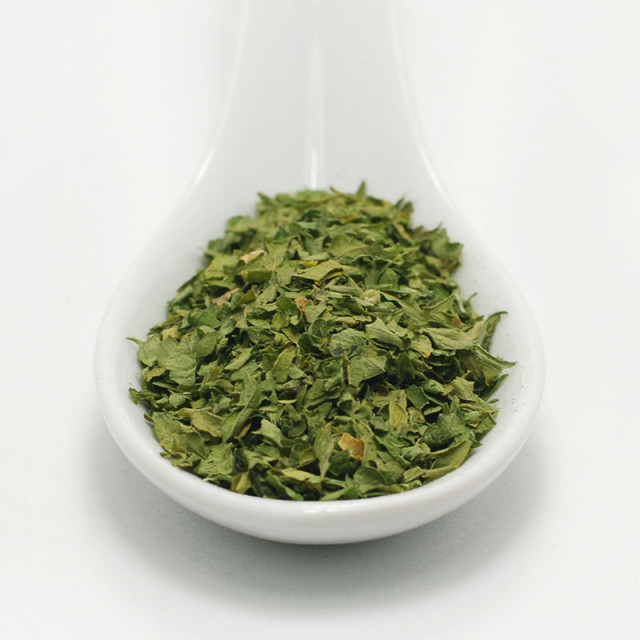
- Parsley: very high concentrations (especially when dried).
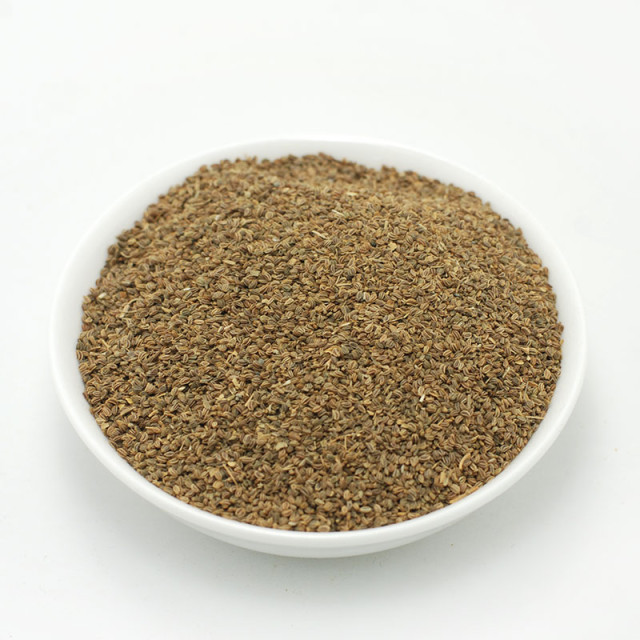
- Celery and celery seeds: both celery stalks and celery seeds contain significant amounts of apigenin.
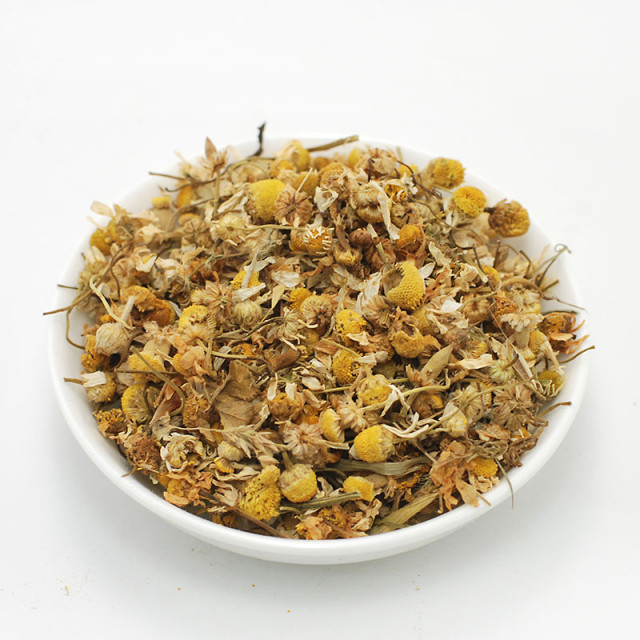
- Chamomile: chamomile tea, made from the dried flowers of the plant, is another excellent source.
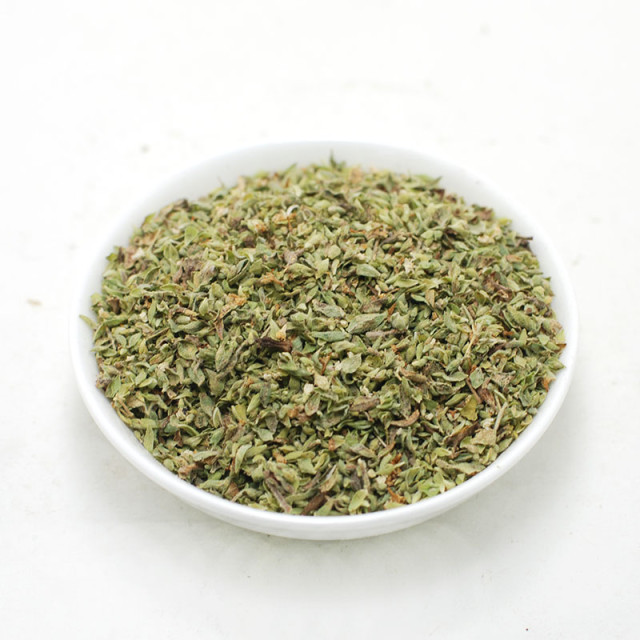
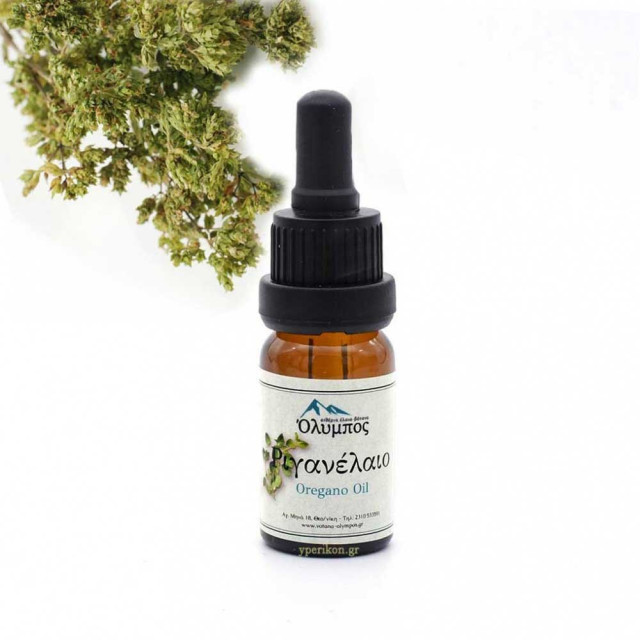
- Dried oregano: oregano, especially when dried, contains significant amounts of apigenin.
- Thyme: like oregano, thyme is a good herbal source of apigenin.
- Coriander: coriander leaves also contain a significant amount of apigenin.
- Red pepper: especially in dried form, red pepper contains notable levels of apigenin.
- Artichokes: artichokes are another vegetable with a good apigenin content.

These foods, especially herbs like parsley and chamomile, are among the most concentrated sources of apigenin in a typical diet.
In short, apigenin is a powerful flavonoid studied for its antioxidant and anti-inflammatory properties. By eating foods rich in apigenin, you can make the most of its potential as part of a lifestyle focused on long-term wellbeing.