Infusion
1–2 g of dried leaves (approx. 1 teaspoon) per cup of hot water. Cover and steep 10 minutes. Drink 2–3 times daily, before meals.

 Zoom
Medicinal & Therapeutic Herbs
Cynara scolymus L. (syn. C. cardunculus var. scolymus)
Also known as: Globe Artichoke, Cynara.
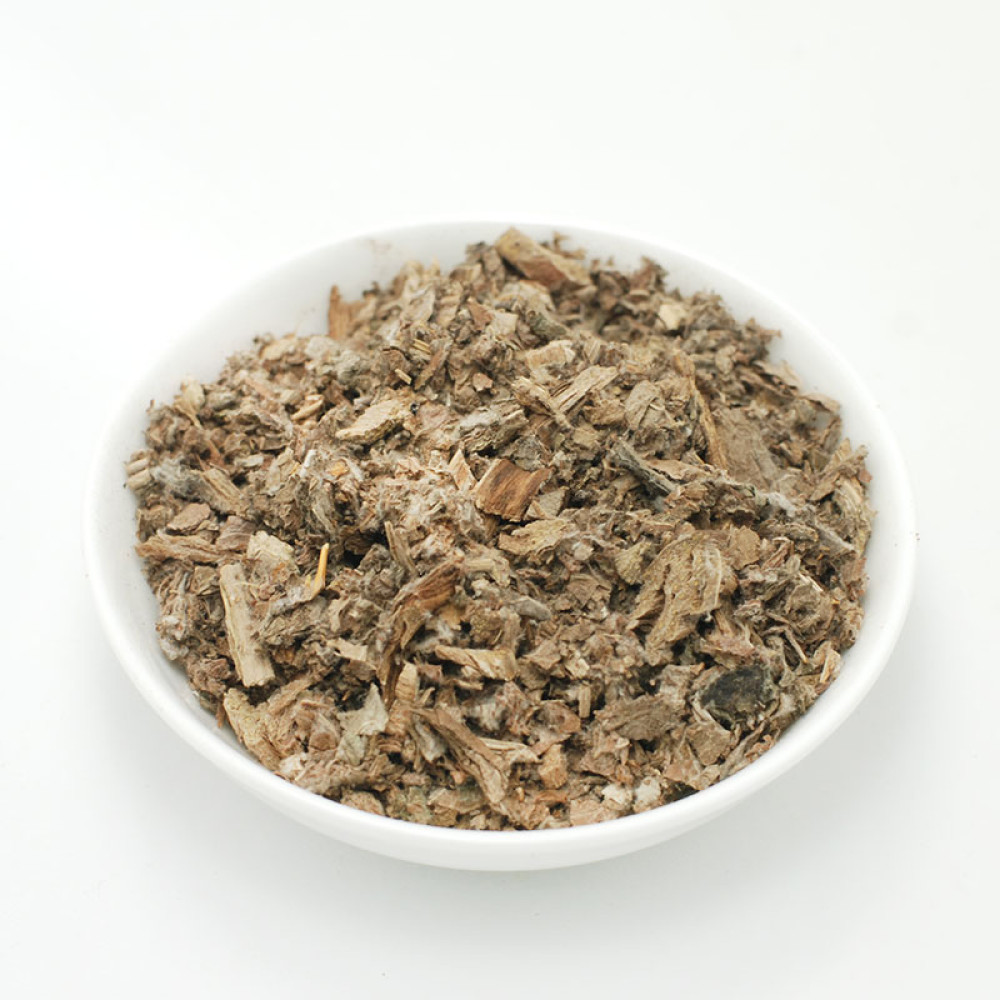
Artichoke is a perennial vegetable of the Asteraceae family, native to the Mediterranean. While the flower heads are eaten as food, the leaves (the bitter part) are used in phytotherapy for digestive complaints, dyspepsia and to support liver and gallbladder function.
Send us a message and we reply within one working day. Or call us on (+30) 2610 221354 during shop hours.
Send a message(+30) 2610 221354Artichoke is a perennial vegetable of the Asteraceae family, native to the Mediterranean. While the flower heads are eaten as food, the leaves (the bitter part) are used in phytotherapy for digestive complaints, dyspepsia and to support liver and gallbladder function.
The leaves are naturally rich in cynarin (bitter glycoside), cynaroside, flavonoids (luteolin), silymarin and polyphenols. In laboratory and preclinical studies, cynarin has been examined in relation to choleretic activity. Phytotherapy literature also describes artichoke as diuretic, choleretic, lipid-modulating and liver-stimulating, with an antioxidant profile. References to fibre, vitamin C, folate, phosphorus and magnesium mainly concern edible artichoke rather than necessarily the dried-leaf tea.
Traditionally and in modern European phytotherapy, artichoke leaves have been the subject of interest in:
and as a supportive herb for fat metabolism.
Traditionally appreciated in wellness routines focused on healthy liver function, digestion of fatty meals and cholesterol regulation.
Human clinical studies and preclinical research have examined leaf extracts or edible artichoke preparations in relation to blood glucose, blood pressure, cardiovascular support, prebiotic activity, gut flora and irritable bowel syndrome. Preclinical anticancer research also exists in cells and animals.
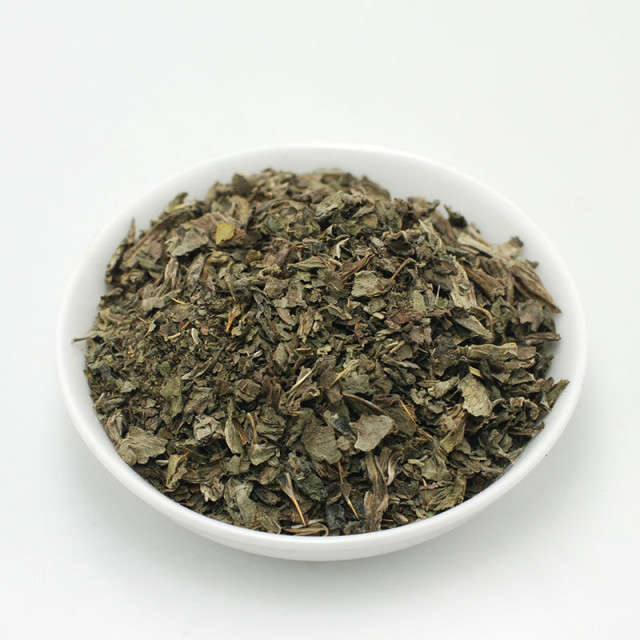
1–2 g of dried leaves (approx. 1 teaspoon) per cup of hot water. Cover and steep 10 minutes. Drink 2–3 times daily, before meals.
The quantities are indicative and are based on traditional use and published phytotherapy literature. For prolonged use or when taking medication, consult a qualified healthcare professional.
For liver: combines with milk thistle, dandelion, chicory. For cholesterol: with olive leaf, red apple cider vinegar, pomegranate.
The dried leaves are the herbal material used in phytotherapy and differ in composition from the edible flower head.
Contemporary phytotherapy guidance does not set an absolute two-week limit. If digestive symptoms persist beyond two weeks, consult a healthcare professional.
Do not use without medical advice in bile-duct obstruction, cholangitis, liver disease, gallstones or other biliary disorders.
Have you tried Artichoke leaves? Tell us what you think.
2.60€50 g · 3 weights
1.45€50 g · 3 weights
1.66€50 g · 3 weights
1.70€50 g · 3 weights