Do it YourselfImmuneNutritionSuperfoods
Astragalus Membranaceus: A Plant with an Ancient History
Astragalus membranaceus: a plant with an ancient history
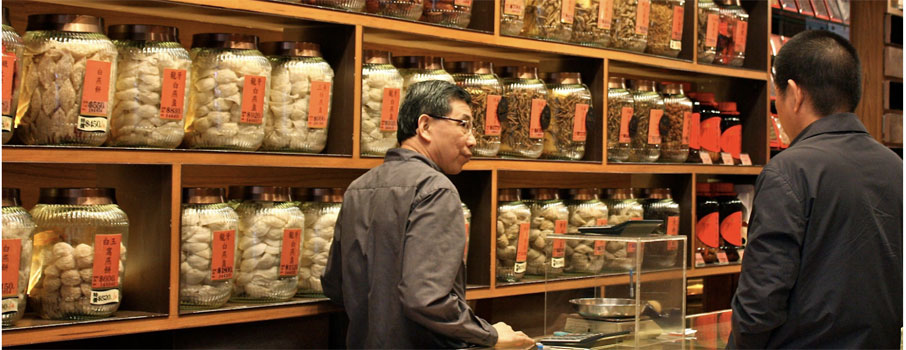
Astragalus, also known as huáng qí or milkvetch, is a herb best known for its use in traditional Chinese medicine. There are more than 2,000 species worldwide, but the one studied for its properties is the Chinese species that grows in northern China and in the Yunnan and Sichuan regions. We use the dried root.

Modern plant chemistry and laboratory research have shown that astragalus polysaccharides (APS) are among the most important active compounds in the root of Astragalus membranaceus (which also contains saponins, coumarins and flavonoids). Research has explored a remarkable range of potential effects: immune-modulating*, antioxidant, antiviral, liver-protective, anti-inflammatory, and in relation to blood sugar, blood vessels, blood formation and the nervous system. (*Immune-modulating: rather than artificially boosting the immune system, it is valued for helping bring it back into balance.)
In tradition, astragalus is believed to support a long life, and it has been a go-to herb for many everyday complaints, such as tiredness, allergies and the common cold, as well as for the heart and blood sugar.

Why people use astragalus
- Above all, astragalus is a classic for supporting the immune system and the body's defences against bacterial and viral infections, including the common cold.
- Laboratory and animal studies have looked at astragalus in relation to herpes viruses, hepatitis C and the H9 bird flu virus.
- A clinical trial looked at astragalus and immune overactivity in people with an autoimmune condition (lupus).
- Researchers have studied its effect on heart function in people with heart failure, and on the symptoms of myocarditis.
- Astragalus supplements have been tested for their effect on blood sugar levels in people with type 2 diabetes.
- Some studies have looked at kidney function in people with kidney disease, and to infections in people with reduced kidney function.
- Combined with other herbs (such as ginseng), astragalus has been studied for tiredness in people with chronic fatigue syndrome.
- Astragalus has also been studied in laboratory research on cell health.
- A clinical study found that 160 mg of astragalus twice a day was linked to less sneezing and a less runny nose in people with seasonal allergies.
- In hospitals in China, astragalus has been studied for nausea and vomiting in people having intensive medical treatment.
Dosage and how to use it
Easy to add to your day: the usual amount is 1,000 mg (one gram) of astragalus root powder, 2–3 times a day, stirred into water, juice, broths, soups and so on. Good to know: if you have an autoimmune condition, take immune-suppressing medication, or are pregnant or breastfeeding, speak to your doctor first.