BIO Zoom
Medicinal & Therapeutic Herbs
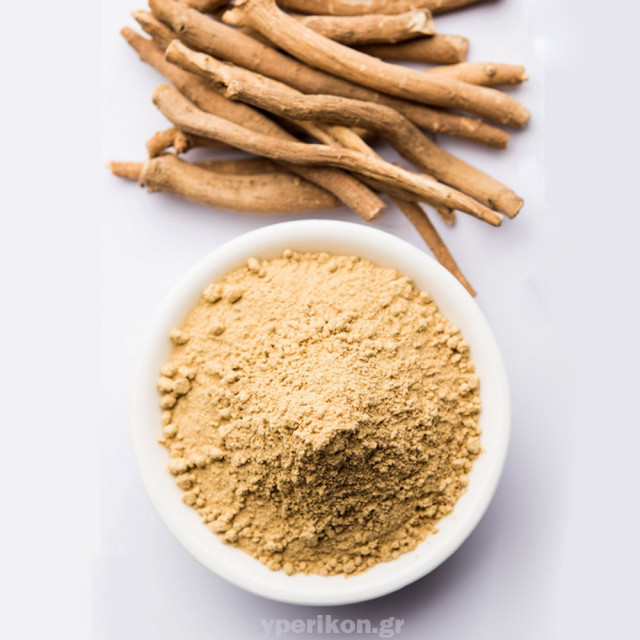
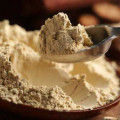
Organic astragalus root powder
Also known as: astragalus, milkvetch root, Huang qi, astragalos.
Astragalus is root powder of Astragalus mongholicus, also known as Astragalus membranaceus in pharmacognosy literature. This form is described as organic. Chinese tradition gives it an adaptogenic, immunomodulatory, qi-tonic and mildly diuretic character.
Shipping options
- EU countries: DHL from €18 · free over €200 (first 2 kg, by volumetric weight)
- Cyprus: ACS, BOX NOW or DHL · free with ACS or BOX NOW over €99
- Greece: ACS or ELTA to your door from €4.00 · ACS or BOX NOW lockers from €2.40 · free over €49 (first 3 kg)
- Usually dispatched within 1–2 business days
Payment methods
- Card, Google Pay, Apple Pay, with no extra charge
- Cash on delivery (Cyprus and Greece): ACS +€2.50 · ELTA +€3.50
- IRIS or bank transfer (Greece only)
Send us a message and we reply within one working day. Or call us on (+30) 2610 221354 during shop hours.
Send a message(+30) 2610 221354What it is
Astragalus is root powder of Astragalus mongholicus, also known as Astragalus membranaceus in pharmacognosy literature. This form is described as organic. Chinese tradition gives it an adaptogenic, immunomodulatory, qi-tonic and mildly diuretic character.
Polysaccharides, astragalosides, saponins and flavonoids have prompted extensive research on defence, fatigue, metabolism, heart and kidneys. Clinical data from injectable preparations or standardised extracts in China have shown positive results for selected immune, cardiac, metabolic and kidney markers.
Key properties
Adaptogenic and tonic. Traditionally supports endurance, convalescence, weakness and adaptation to physical or mental stress.
Immunomodulatory. Polysaccharides and saponins are studied for regulation of innate and adaptive immune responses.
Cardiotonic and vasoprotective. Preclinical and clinical data from different forms concern heart function, endothelium and blood pressure.
Renal-supportive and mildly diuretic. Albuminuria, kidney markers and fluid elimination have been examined, mainly with specialised preparations.
Antioxidant and metabolic. Research includes oxidative stress, inflammation, glucose and lipid markers.
Uses
Astragalus is one of the best-loved tonic herbs in Chinese tradition for everyday vitality, defence and convalescence. The root is especially valued during fatigue, demanding periods and seasonal strain.
- Fatigue and convalescence. Chinese tradition uses the root for weakness, low vitality and recovery after exertion.
- Immune function and respiratory infections. Polysaccharides and extracts have been examined for immune markers and infection frequency without a general promise of avoiding viral illness.
- Allergic rhinitis. Limited clinical studies have examined nasal symptoms and quality of life in seasonal allergy.
- Blood sugar and metabolism. Reviews of different preparations have examined glucose, insulin resistance and diabetic complications. Monitoring is required with antidiabetic medicines.
- Heart failure and blood pressure. Chinese studies often concern injectable or combined preparations alongside medical care and do not establish home use of powder.
- Kidneys and proteinuria. Kidney markers have been examined in chronic kidney disease and diabetic nephropathy. Any use in kidney disease requires renal specialist monitoring.
- Cancer and chemotherapy. Complementary oncology studies mainly involve specialised Chinese preparations. They do not transfer to plain powder or replace oncology care.
- Viruses and lupus. Antiviral mechanisms have been examined in the laboratory, but immune stimulation may be unsuitable in lupus and other autoimmune conditions.
Preparation & dosage
Recorded use of plain root powder is 1 g two to three times daily, mixed into lukewarm water, a drink or food. Begin with one daily serving.
Use for a limited course with reassessment, especially when chronic disease or medication is present.
Amounts are indicative and are based on traditional use and published herbal literature. For prolonged use or when taking medication, consult a healthcare professional.
Precautions
Avoid after transplantation and with immunosuppressants because it may influence immune activity. Lupus, rheumatoid arthritis, multiple sclerosis or another autoimmune condition requires specialist advice.
It may add to glucose- or blood-pressure-lowering effects and interact with diuretics or anticoagulants. Kidney or heart failure is not suitable for self-care. Avoid during pregnancy, breastfeeding and childhood without specialist direction.
Frequently asked questions
How much astragalus root powder is used?
The recorded amount is 1 g two to three times daily, beginning conservatively.
Why is astragalus considered an adaptogen?
It is associated with resilience to stress, vitality, fatigue and immune balance.
When is astragalus usually taken?
It is commonly divided into two or three servings earlier in the day within the total daily range.
- A Review of the Pharmacological Action of Astragalus Polysaccharide
- Effects of Astragalus membranaceus and Tripterygium hypoglancum on natural killer cell activity of peripheral blood mononuclear in systemic lupus erythematosus
- Therapeutic effects of astragalus polysaccharides on inflammation and synovial apoptosis in rats with adjuvant-induced arthritis
- Structural features and biological activities of the polysaccharides from Astragalus membranaceus
- Experimental study of the effect of Astragalus membranaceus against herpes simplex virus type 1
- Antiviral, embryo toxic and cytotoxic activities of Astragalus membranaceus root extracts.
- Astragalus polysaccharide enhances immunity and inhibits H9N2 avian influenza virus in vitro and in vivo
- Herbal plants and plant preparations as remedial approach for viral diseases
Reviews
Have you tried Organic astragalus root powder? Tell us what you think.