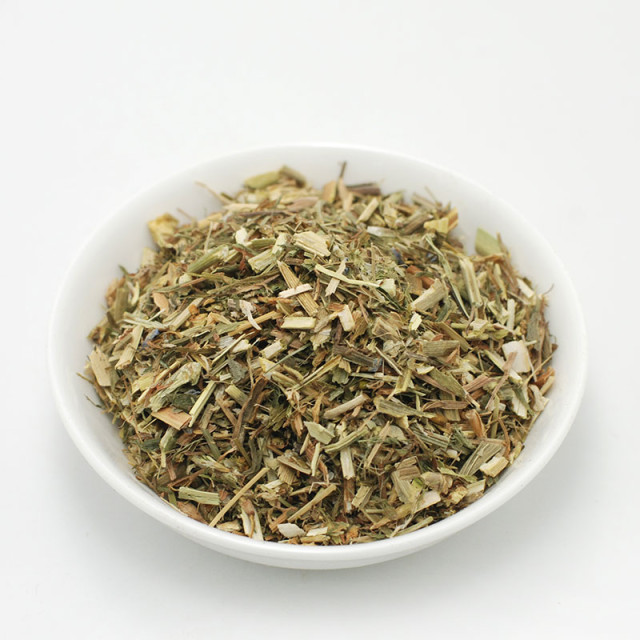
Goat's rue herb
2.55€50 g · 3 weights

 Zoom
Medicinal & Therapeutic Herbs
Also known as: gymnema, gurmar, gur-mar, sugar destroyer, gymnema, gourmar.
Gymnema consists of the leaves of Gymnema sylvestre, a climbing herb from Central and South India. The name gur-mar means “sugar destroyer”, reflecting the leaves’ bitter, metabolic and antiglycaemic character and their temporary suppression of sweet taste.
Send us a message and we reply within one working day. Or call us on (+30) 2610 221354 during shop hours.
Send a message(+30) 2610 221354Gymnema consists of the leaves of Gymnema sylvestre, a climbing herb from Central and South India. The name gur-mar means “sugar destroyer”, reflecting the leaves’ bitter, metabolic and antiglycaemic character and their temporary suppression of sweet taste.
Gymnemic acids have been studied in relation to intestinal sugar absorption, insulin secretion, tissue sensitivity to insulin, appetite and lipid metabolism. Distinguishing cell, animal and human evidence is essential, particularly for type 1 and type 2 diabetes.
Antiglycaemic. It may reduce intestinal sugar absorption and influence blood glucose in a downward direction.
Sweet-taste modifying. Chewing or taking the leaf may reduce sweet-taste perception for about one to two hours.
Metabolic and hypolipidaemic. It is studied in relation to cholesterol, fatty-acid binding, metabolic syndrome and body weight.
Pancreatic tonic. Preclinical studies discuss islets of Langerhans, insulin secretion and tissue sensitivity to insulin.
Metabolic use requires monitoring because the direction of effect is lower blood glucose and may add to the action of medication.
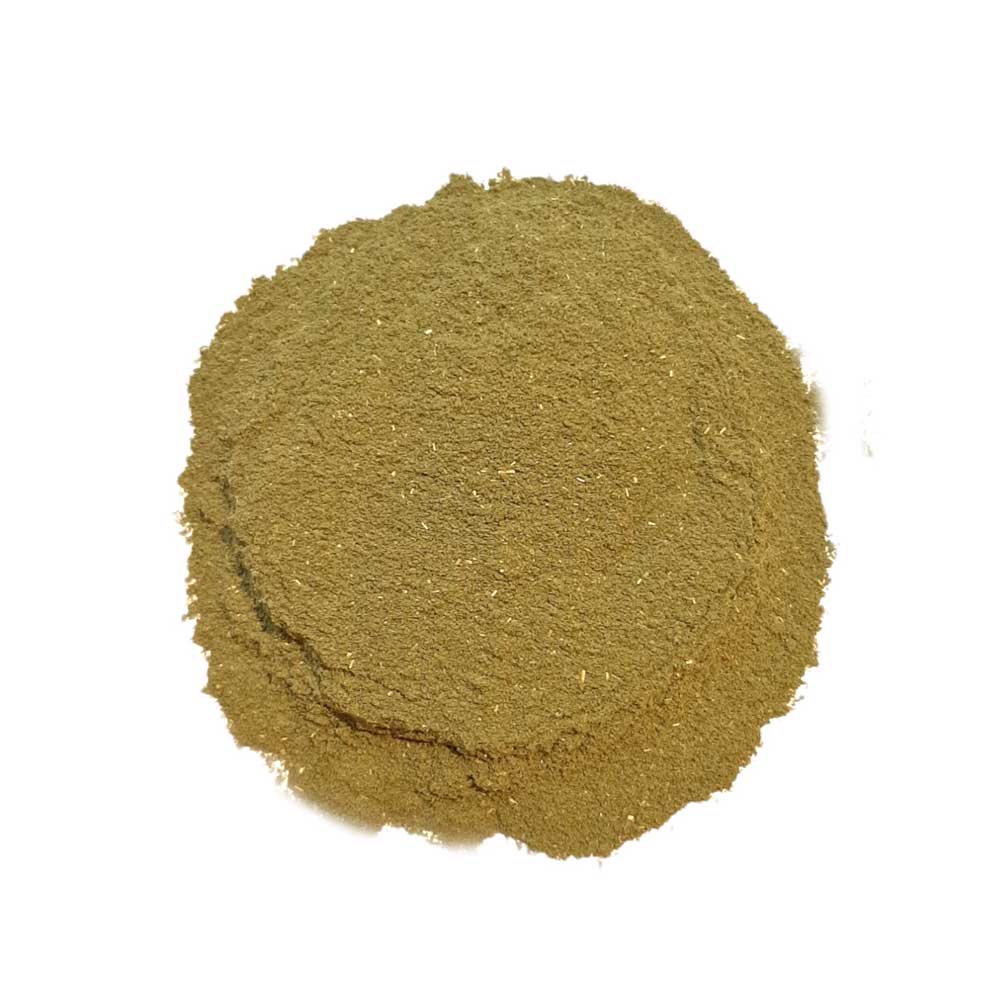
Mix ½ teaspoon of leaf powder with water or juice and take once or twice daily, with or immediately before a meal.
The sweet-taste effect appears quickly, whereas metabolic change is assessed over weeks or months. Do not increase the amount without glucose monitoring and professional guidance.
Amounts are indicative and are based on traditional use and published herbal literature. For prolonged use or when taking medication, consult a healthcare professional.
Gymnema may lower glucose. With insulin or other antidiabetic medication, frequent measurements are required and adjustments must be made only by the treating clinician. Hypoglycaemia may cause sweating, tremor, hunger, confusion and weakness.
Possible adverse effects include stomach pain, nausea or intestinal discomfort. Avoid during pregnancy and breastfeeding. Before surgery, stop in good time when medically advised.
It may temporarily reduce sweet-taste perception for about one to two hours after intake.
It is taken with or immediately before a meal to limit stomach discomfort.
Yes, especially with insulin or antidiabetic medication because gymnema may lower glucose further.
Have you tried Gymnema leaf powder 80 g? Tell us what you think.
2.55€50 g · 3 weights
1.56€50 g · 3 weights
2.20€50 g · 3 weights
0.65€50 g · 3 weights