Free shipping in Greece over €49 (first 3 kg)

Shipping to the EU · free over €200 (first 2 kg)

Medicinal & Therapeutic Herbs

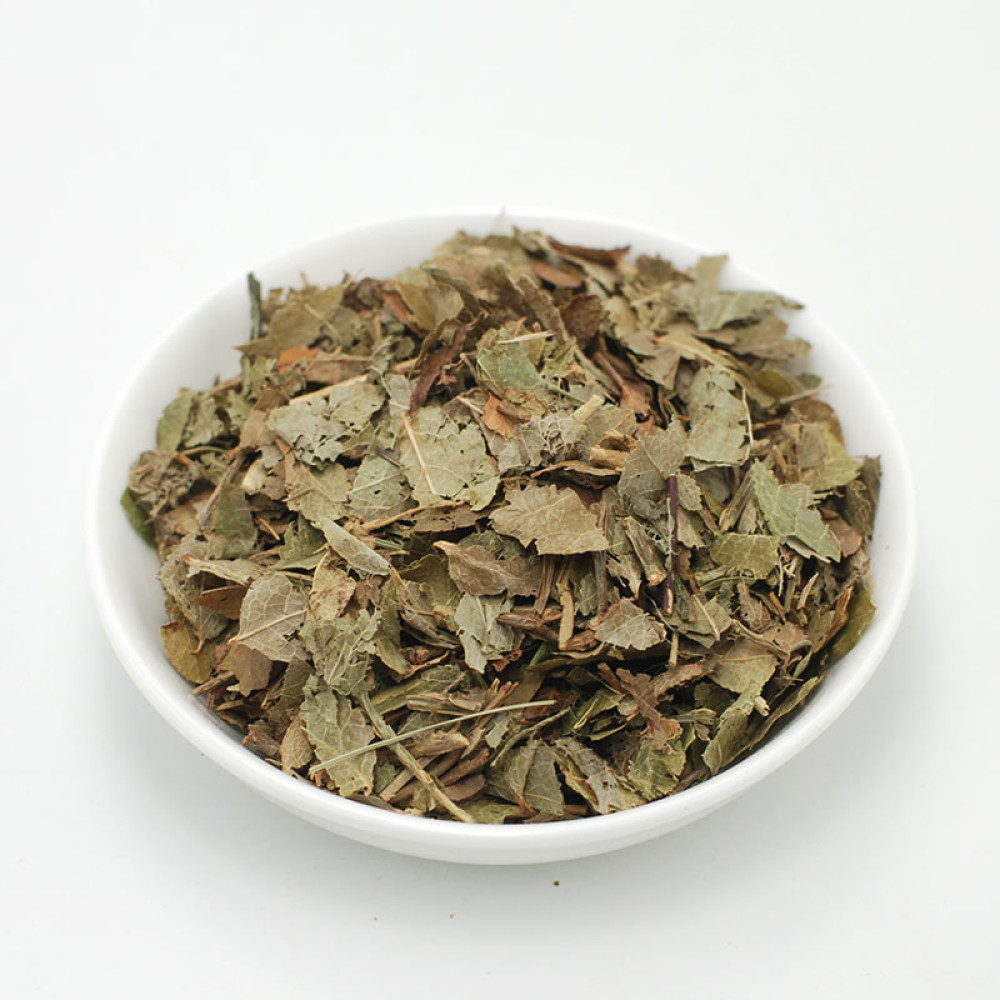
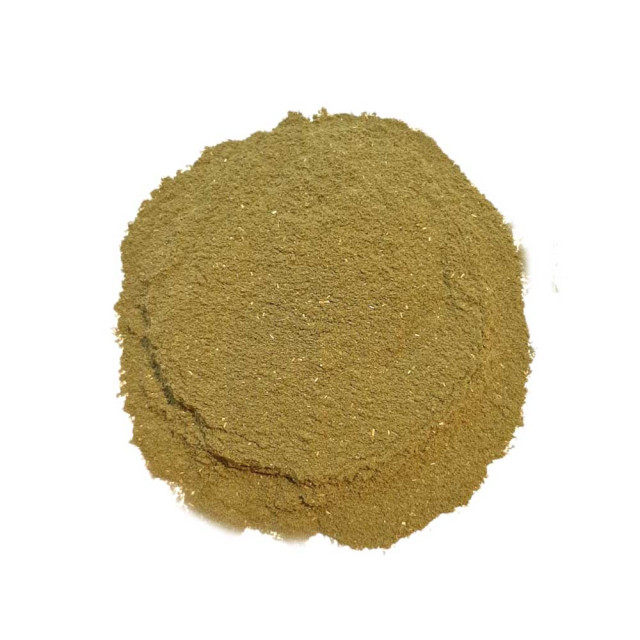
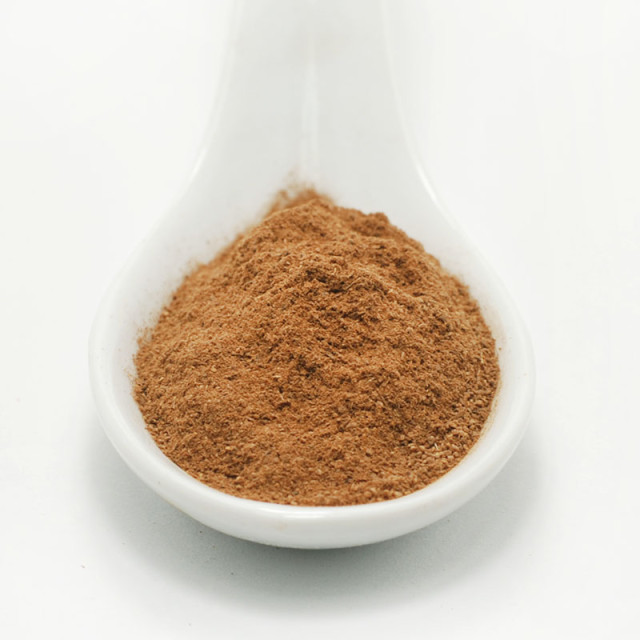
Bilberry leaves

Vaccinium myrtillus L.

Also known as: bilberry leaf, European blueberry leaf.

Bilberry leaves are an astringent herbal drug traditionally used in mild digestive applications and mild urinary applications. The berries are a separate food material rich in anthocyanins.

See the full description ↓

Write the first review Code: BMX-0199
2.20€ 44.00€ / kg Price includes VAT

Weight 50 g

In stockShips by courier in 1–2 working days

Shipping options

  • EU countries: DHL from €18 · free over €200 (first 2 kg, by volumetric weight)
  • Cyprus: ACS, BOX NOW or DHL · free with ACS or BOX NOW over €99
  • Greece: ACS or ELTA to your door from €4.00 · ACS or BOX NOW lockers from €2.40 · free over €49 (first 3 kg)
  • Usually dispatched within 1–2 business days

Everything about shipping and delivery →

Payment methods

  • Card, Google Pay, Apple Pay, with no extra charge
  • Cash on delivery (Cyprus and Greece): ACS +€2.50 · ELTA +€3.50
  • IRIS or bank transfer (Greece only)

Everything about payment methods →

Have a question about Bilberry leaves?

Send us a message and we reply within one working day. Or call us on (+30) 2610 221354 during shop hours.

Send a message(+30) 2610 221354

What it is

Bilberry leaves are an astringent herbal drug traditionally used in mild digestive applications and mild urinary applications. The berries are a separate food material rich in anthocyanins.

Key properties

Tannins, flavonoids and chlorogenic acids give the leaves an astringent character. The central leaf profile is short traditional use for mild diarrhoea and traditional urinary support.

Uses

The leaves have traditionally been used as an astringent tea for mild diarrhoea and as an ingredient in urinary herbal combinations, with historical references also including urinary infections.

They also have a traditional place in combinations for raised glucose and type 2 diabetes. Laboratory and animal studies examine leaf extracts for a possible direction towards lower glucose, alpha-glucosidase inhibition and antioxidant support.

The eye connection of the leaves is indirect and concerns research interest in glycaemic and microvascular balance in people with diabetes. Direct references to retinopathy, cataract and vision relate chiefly to the berries, while atherosclerosis remains a metabolic research term.

Preparation & dosage

Infusion

Use ½–1 teaspoon of leaves in one cup of boiling water, leave for 10 minutes and strain. Drink up to 3 times daily, only for a short period. For mild diarrhoea, the traditional direction allows up to 6 servings daily, for no more than 2 days.

Use under the guidance of a healthcare professional, especially when taking insulin or other antidiabetic medication.
The quantities are indicative and based on traditional use and published herbal-medicine literature. For prolonged use or when taking medication, consult a healthcare professional.

Combinations with other herbs

For an astringent tea it is traditionally paired with agrimony or blackberry leaf. In urinary blends it may be combined with bearberry only under professional supervision.

Precautions

Avoid during pregnancy, breastfeeding, childhood and prolonged use. In diabetes or with insulin and antidiabetic medicines, glucose monitoring is required because the possible effect is toward lowering blood sugar. Tannins may irritate the stomach or affect absorption of medicines and minerals. Diarrhoea with fever, blood or dehydration needs prompt assessment.

Frequently asked questions

What are bilberry leaves mainly used for?

They are traditionally used short term as an astringent tea for mild diarrhoea, in urinary blends and in traditional uses focused on blood glucose.

Do the leaves have the same connection with vision as the fruit?

No. The fruit and its anthocyanins are directly associated with vision research, whereas the leaves have an indirect context through glycaemic and antioxidant balance.

What requires caution in diabetes?

The possible direction of the leaf effect is towards lower glucose. Monitoring is needed with insulin or other antidiabetic medicines because additive glucose-lowering effects may occur.

Reviews

No reviews yet

Have you tried Bilberry leaves? Tell us what you think.

You may also like

WELCOME GIFT

The herb guide

260 herbs arranged by need — to start your journey into wellbeing.

when you sign up with your email