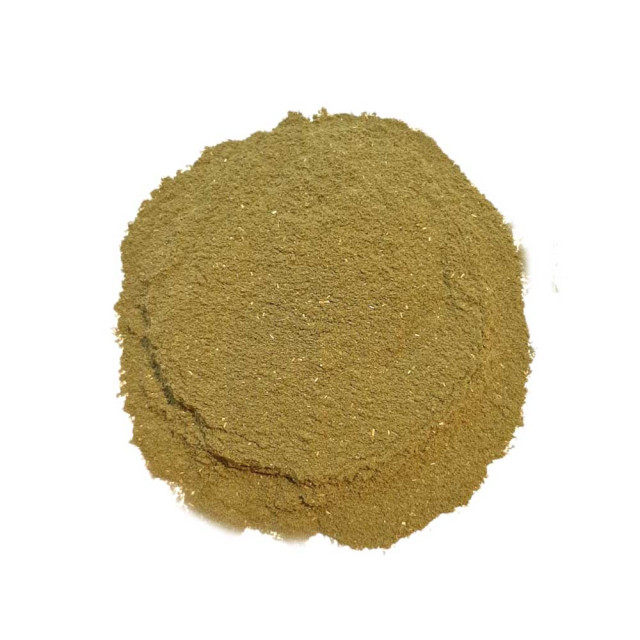
Gymnema leaf powder 80 g
6.50€

 Zoom
Medicinal & Therapeutic Herbs
Trigonella foenum-graecum L.
Also known as: fenugreek, Greek hay, tsimeni, musk seed, bird's foot.
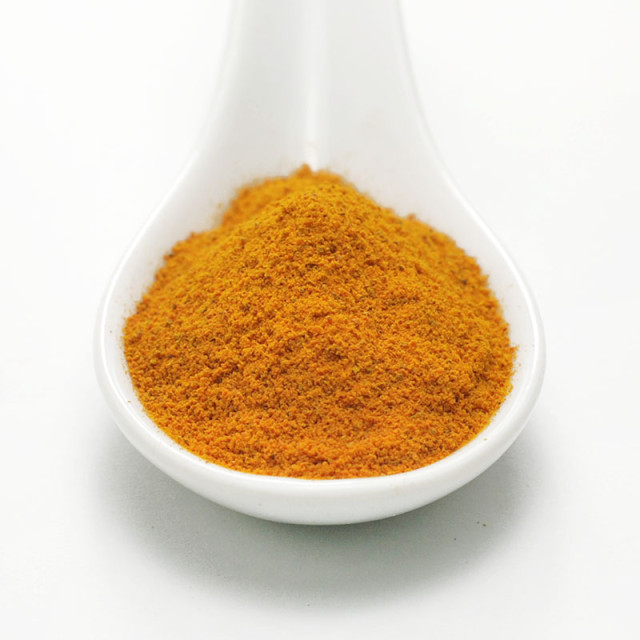
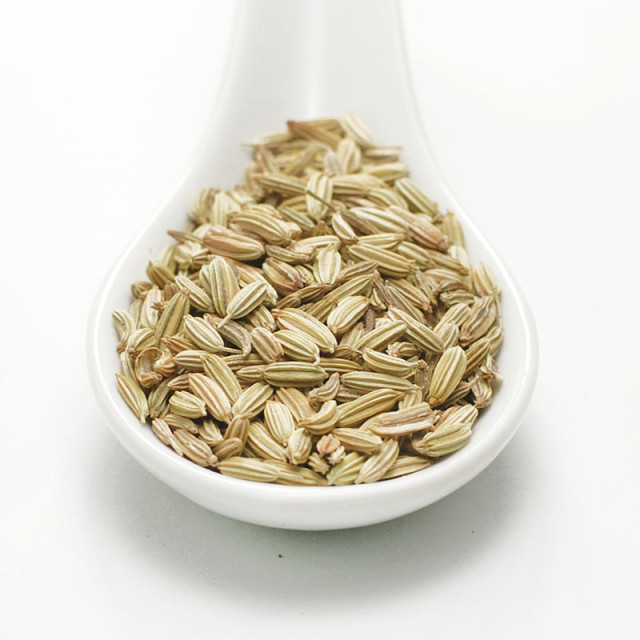
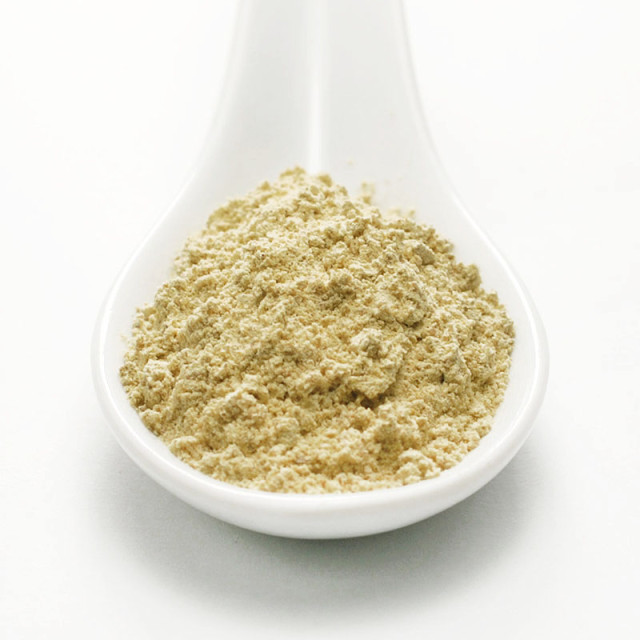
Fenugreek, known in Greece as tsimeni or musk seed, is an aromatic seed rooted in Mediterranean and Indian cooking and herbal practice. The whole seed gives food a warm bittersweet character and offers a practical base for decoctions or an external paste.
Send us a message and we reply within one working day. Or call us on (+30) 2610 221354 during shop hours.
Send a message(+30) 2610 221354Fenugreek, known in Greece as tsimeni or musk seed, is an aromatic seed rooted in Mediterranean and Indian cooking and herbal practice. The whole seed gives food a warm bittersweet character and offers a practical base for decoctions or an external paste.
The seed is rich in galactomannans, steroidal saponins and 4-hydroxyisoleucine. It is traditionally described as expectorant, tonic, emollient and galactagogue, while research explores glucose, insulin sensitivity, cholesterol and triglycerides.
For culinary use, fenugreek gives its signature aroma to curries, spice blends, pastirma, mince, meatballs, meat, potatoes and vegetables. It particularly suits lemony dishes and recipes with cumin and coriander.
Traditional practice used it for reduced appetite, irritated throat, cough and digestion. A mild gargle was linked with throat comfort, while its galactagogue tradition concerns breast-milk production. Modern study covers:
Older ethnopharmacological records mention external poultices for wounds, boils, fistulas and tumours.
For a decoction, lightly crush 1–2 g, approximately 0.5–1 teaspoon, add to 250 ml water and simmer for 10 minutes. Use 3 times daily, without exceeding 6 g. For cooking, toast the seeds lightly to soften their natural bitterness.
Quantities are indicative and are based on traditional use and published herbal-medicine literature. For prolonged use or if you take medication, consult a healthcare professional.
In cooking, combine with cumin, coriander, paprika and turmeric. In a decoction, anise is a traditional partner for a rounder flavour.
Avoid therapeutic amounts during pregnancy because of possible uterine stimulation. Galactagogue use during breastfeeding requires professional guidance. Use caution with legume allergy, asthma, diabetes medicines, anticoagulants and before surgery. Digestive upset and a distinctive sweat odour may occur. Do not apply a paste to open wounds, abscesses, fistulas or a suspicious mass.
Yes. Tsimeni and musk seed are common Greek names for fenugreek.
Lightly toast whole seed or use a small amount in a spice blend to mellow the bitter edge.
It has been studied for glucose and insulin sensitivity, but anyone taking diabetes medicine needs monitoring for low blood sugar.
Have you tried Fenugreek whole seeds? Tell us what you think.
6.50€
1.45€50 g · 3 weights
0.75€50 g · 3 weights
0.66€50 g · 3 weights