 BIO Zoom
Medicinal & Therapeutic Herbs
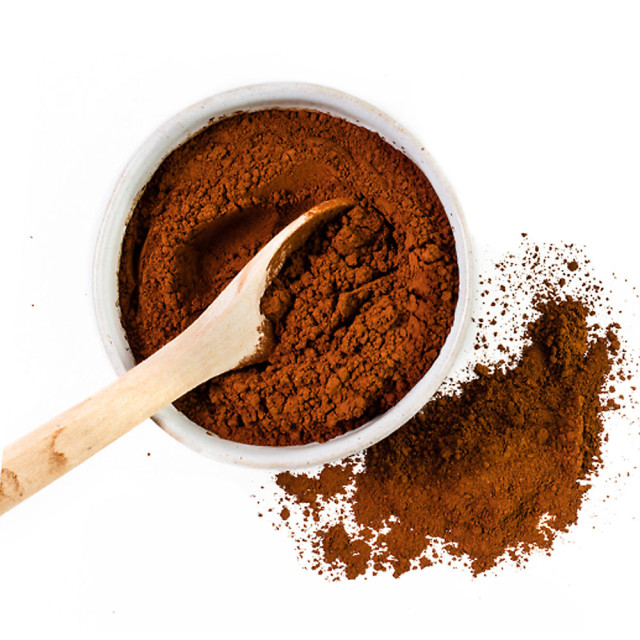
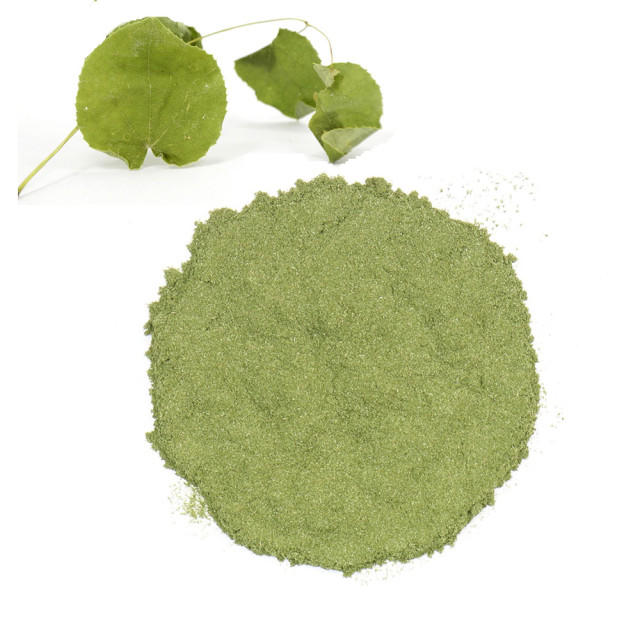
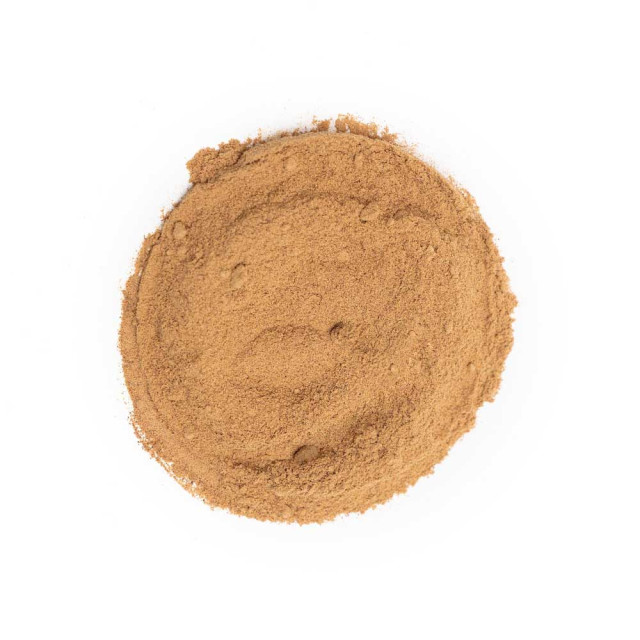
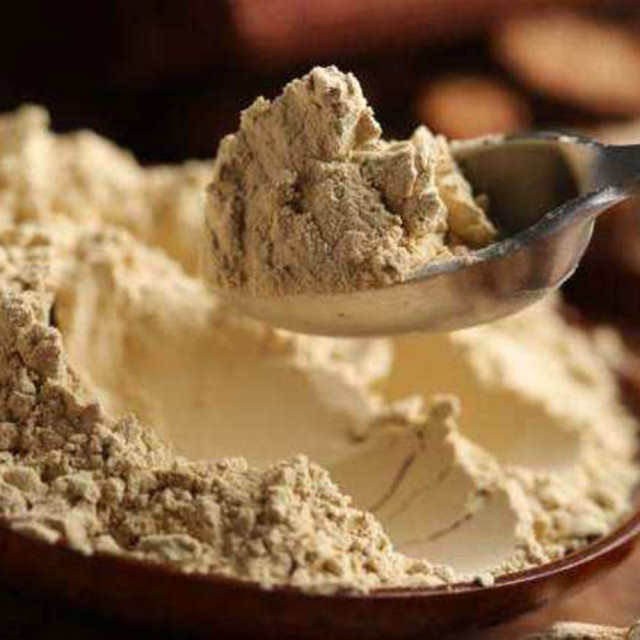
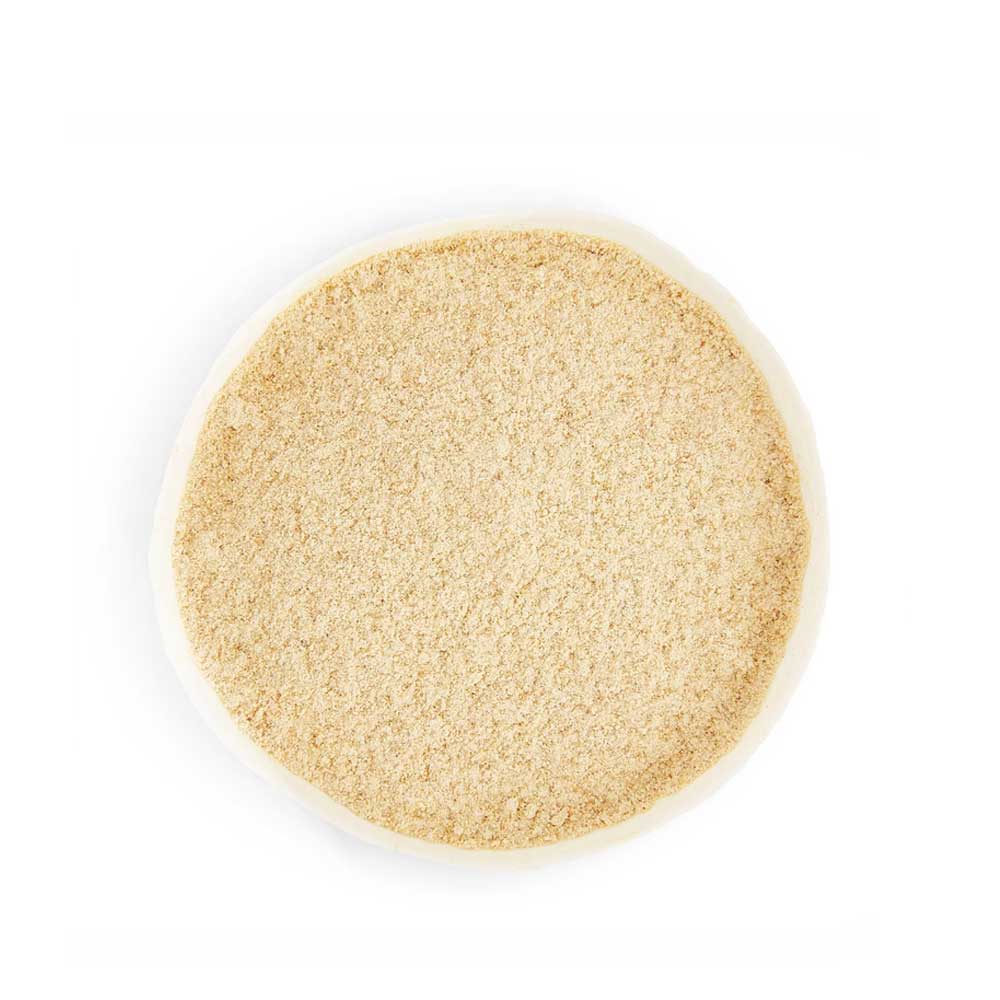
Organic He Shou Wu (Fo-Ti) root powder
Polygonum multiflorum Thunb. Accepted synonym: Reynoutria multiflora (Thunb.) Moldenke.
Also known as: Fo-Ti, Fo Ti Tieng, shou wu, Chinese knotweed, climbing knotweed, tuber fleeceflower, radix Polygoni multiflori.
He Shou Wu or Fo-Ti is powder from the dried root of Polygonum multiflorum, now also classified as Reynoutria multiflora. It is one of the best-known tonic herbs in Chinese tradition, associated with vitality, longevity, hair and reproductive wellness.
Shipping options
- EU countries: DHL from €18 · free over €200 (first 2 kg, by volumetric weight)
- Cyprus: ACS, BOX NOW or DHL · free with ACS or BOX NOW over €99
- Greece: ACS or ELTA to your door from €4.00 · ACS or BOX NOW lockers from €2.40 · free over €49 (first 3 kg)
- Usually dispatched within 1–2 business days
Payment methods
- Card, Google Pay, Apple Pay, with no extra charge
- Cash on delivery (Cyprus and Greece): ACS +€2.50 · ELTA +€3.50
- IRIS or bank transfer (Greece only)
Send us a message and we reply within one working day. Or call us on (+30) 2610 221354 during shop hours.
Send a message(+30) 2610 221354What it is
He Shou Wu or Fo-Ti is powder from the dried root of Polygonum multiflorum, now also classified as Reynoutria multiflora. It is one of the best-known tonic herbs in Chinese tradition, associated with vitality, longevity, hair and reproductive wellness.
The name He Shou Wu is often rendered as “Mr He with black hair”. Legend tells of an elderly man who retained dark hair, youthful appearance and strength while using the root. This folklore explains the herb’s cultural and trade identity.
Key properties
The root contains stilbene glycosides, anthraquinones, lecithin and polyphenols. Anthraquinones are connected with intestinal effects, while stilbene compounds have been investigated in relation to oxidative stress, lipids and neuronal pathways. Chemistry changes with processing, and study extracts are not identical to plain root powder.
Traditional Chinese medicine classifies it among liver and kidney tonics. That traditional terminology does not cancel modern reports of liver injury, which are the central precaution for Fo-Ti.
Uses
Traditional and research-related references include:
- grey hair, premature ageing and maintenance of vitality
- cholesterol and triglycerides, with evidence mainly from extracts and early studies
- arterial hardening and cardiovascular balance as traditional and research themes
- learning, memory and dopaminergic neurons primarily in preclinical research
- restored strength, sexual drive and fertility in men and women
- traditional tonification of liver and kidneys and “blood cleansing” language
- eye wellness and general antioxidant protection
- muscles, tendons, bones and joints in Chinese materia medica
- weakness, vaginal discharge and erectile dysfunction in traditional use
- antibacterial activity and ageing-related mechanisms in laboratory models.
In Western occult tradition, a Fo-Ti-based formula became associated with the Count of Saint Germain and the story of eternal youth. This account and the legend of Mr He belong to folklore rather than clinical evidence.
Preparation & dosage
Root powder: the indicative amount is 2–4 g of powder up to twice daily. Mix into water, juice or tea. Begin at the lower end, weigh the amount and avoid prolonged continuous use without professional monitoring.
The quantities are indicative and based on traditional use and published herbal medicine literature. For extended use or while taking medication, consult a healthcare professional.
Precautions
Cases of liver injury have been reported. Stop immediately and seek medical advice for worsening fatigue, loss of appetite, nausea, right upper abdominal pain, dark urine, pale stools or jaundice. Avoid with a history of liver disease, hepatotoxic medicines or multiple medicines metabolised by the liver, and during pregnancy, breastfeeding and childhood. Anthraquinones may cause diarrhoea, cramps and electrolyte loss. Use care with anticoagulants, glucose-lowering medicine and stimulant laxatives.
Frequently asked questions
Why is He Shou Wu associated with black hair?
The link comes from the Chinese legend of Mr He and from traditional use for premature greying and vitality.
How is Fo-Ti powder used?
The indicative amount is 2–4 g in water, juice or tea up to twice daily, preferably beginning at the lower end.
What is the most important precaution?
The possibility of liver injury. Dark urine or jaundice requires immediate discontinuation and medical assessment.
- Traditional usages, botany, phytochemistry, pharmacology and toxicology of Polygonum multiflorum Thunb.: A review
- Estrogen Bioactivity in Fo-Ti and Other Herbs Used for Their Estrogen-Like Effects as Determined by a Recombinant Cell Bioassay
- Review of Clinical Studies of Polygonum multiflorum Thunb. and its isolated bioactive compounds.
Reviews
Have you tried Organic He Shou Wu root powder? Tell us what you think.