BIO Zoom
Medicinal & Therapeutic Herbs
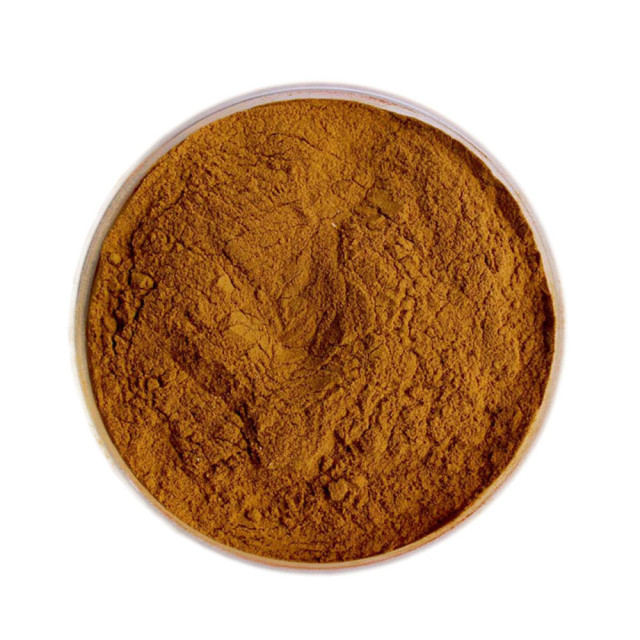
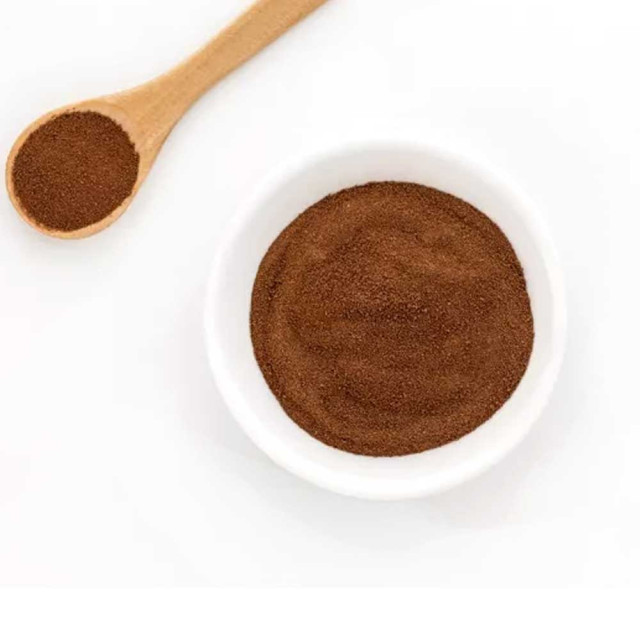
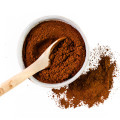
Chaga mushroom powder, organic 50 g
Inonotus obliquus
Also known as: Chaga, birch conk, cinder conk, clinker polypore, tsagka.
Chaga is a fungus that grows on the trunk of birch trees in cold climates, with a dark, charcoal-like appearance. In Siberia and other parts of Asia it has been gathered for centuries and consumed as a beverage.
Shipping options
- EU countries: DHL from €18 · free over €200 (first 2 kg, by volumetric weight)
- Cyprus: ACS, BOX NOW or DHL · free with ACS or BOX NOW over €99
- Greece: ACS or ELTA to your door from €4.00 · ACS or BOX NOW lockers from €2.40 · free over €49 (first 3 kg)
- Usually dispatched within 1–2 business days
Payment methods
- Card, Google Pay, Apple Pay, with no extra charge
- Cash on delivery (Cyprus and Greece): ACS +€2.50 · ELTA +€3.50
- IRIS or bank transfer (Greece only)
Send us a message and we reply within one working day. Or call us on (+30) 2610 221354 during shop hours.
Send a message(+30) 2610 221354What it is
Chaga is a fungus that grows on the trunk of birch trees in cold climates, with a dark, charcoal-like appearance. In Siberia and other parts of Asia it has been gathered for centuries and consumed as a beverage. Today it is appreciated mainly by those looking for antioxidant support and immune tonic properties, particularly in the winter months. This powder comes from certified organic cultivation in Estonia.
Key properties
The fungus is characterised as strongly antioxidant, anti-inflammatory and immunostimulant, with additional antiviral activity. It ranks very high on the ORAC scale, largely because of its superoxide dismutase (SOD) content: wild-harvested material carries up to fifty times more SOD than wild blueberries, coenzyme Q10, strawberries, leafy greens, truffles or algae. SOD acts as a natural defence against reactive oxygen species, and ageing studies have associated higher levels of it with longer lifespan in laboratory animals.
This character is supported by beta-glucans and polysaccharides, triterpenes such as betulinic acid drawn from the birch host, polyphenolic compounds and melanin, together with vitamins and trace elements. Research relating to tumour cell lines and laboratory animals remains at a preclinical stage.
Uses
Who it is for
Chaga is traditionally associated with immune support, inflammation, blood sugar, cholesterol and blood pressure. There is also recorded interest in slowing the ageing process and in easing the strain that accompanies demanding treatments such as chemotherapy and radiotherapy.
How it is commonly used
In Siberian folk practice the fungus is taken as a daily beverage in cycles, especially during the cold season. Today the powder is dissolved in water, juice or a morning drink and appreciated in wellness routines focused on antioxidant status, immune balance and lipid and sugar metabolism. The taste is earthy and slightly bitter, with no caffeine.
The main benefits attributed to it
- Supports the immune system
- Acts against inflammation
- Associated with lower blood sugar
- Associated with lower cholesterol
- A superfood rich in nutrients
- Slowing of the ageing process
- Its antioxidants could play a role in lowering blood pressure
- Studied in relation to easing the side effects of demanding treatments such as chemotherapy, radiotherapy and various medicines
Preparation and dosage
Adults: one level teaspoon of powder, roughly 2 g, dissolved in water, juice or a morning drink, once or twice daily. Daily total 2–4 g. Taken in 30-day cycles, with an 8–10 day break before repeating.
Quantities are indicative, based on traditional use and published herbal literature. For prolonged use or if you are on medication, consult a health professional.
Precautions
Chaga is generally well tolerated. No human studies have established its safety or an appropriate dose. Because of its immunostimulant, antidiabetic and anticoagulant properties, anyone with an autoimmune condition or taking immunosuppressants, anyone managing blood sugar with medication, anyone with a blood-clotting disorder, and anyone on anticoagulant or antiplatelet therapy should consult their doctor first. Discontinue two weeks before scheduled surgery. There is no safety data for pregnancy or breastfeeding, so it is avoided. Contains oxalates: caution with a history of kidney stones or renal impairment.
Frequently asked questions
How is Chaga powder taken?
One level teaspoon, about 2 g, dissolved in water, juice or a drink, once or twice a day. No boiling is needed; the powder is ready to dissolve.
For how long should it be taken?
In 30-day cycles with an 8–10 day break in between. Continuous use without breaks is not advised, as there is no long-term human data.
Does it contain caffeine?
No. Although it is taken as a beverage and resembles dark tea, Chaga contains no caffeine and can be consumed in the evening.
- Chemical and medicobiological properties of chaga (review)
- Immunomodulatory Activity of the Water Extract from Medicinal Mushroom Inonotus obliquus
- Inonotus obliquus extracts suppress antigen-specific IgE production through the modulation of Th1/Th2 cytokines in ovalbumin-sensitized mice
- Antitumor activity of water extract of a mushroom, Inonotus obliquus, against HT-29 human colon cancer cells
- Chemical constituents from Inonotus obliquus and their antitumor activities
- Anti-diabetic effects of Inonotus obliquus polysaccharides-chromium (III) complex in type 2 diabetic mice and its sub-acute toxicity evaluation in normal mice
- Effect of the Inonotus Obliquus Polysaccharides on Blood Lipid Metabolism and Oxidative Stress of Rats Fed High-Fat Diet In Vivo
- Comparative Enzyme Analysis of Inonotus obliquus (Chaga), Auricularia auricula and Poria cocos
- Anticancer activity of subfractions containing pure compounds of Chaga mushroom (Inonotus obliquus) extract in human cancer cells and in Balbc/c mice bearing Sarcoma-180 cells
- Inonotus obliquus – from folk medicine to clinical use
Reviews
Have you tried Chaga mushroom powder? Tell us what you think.