With meals — digestion
250–500 mg with the meal or immediately after, especially when the meal contains meat, fish, eggs or cheese. Supports digestion and the breakdown of proteins.

 Zoom
Medicinal & Therapeutic Herbs
Ananas comosus (L.) Merr.
Also known as: bromelain, pineapple enzyme, Ananas comosus enzyme, vromelaini (transliteration).
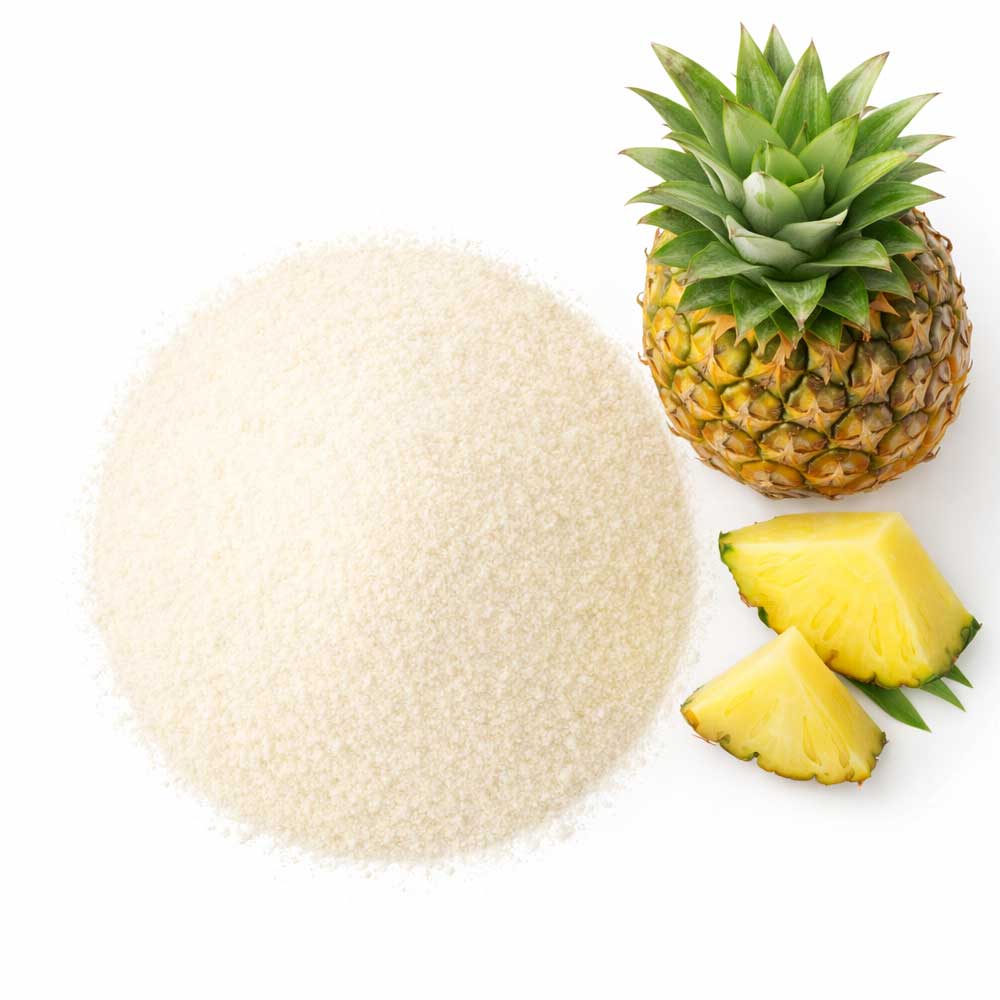
Bromelain is a natural complex of proteolytic enzymes derived from pineapple (Ananas comosus). It has a long history of medical use in Central and South America and is today one of the most studied natural enzymes worldwide.
Send us a message and we reply within one working day. Or call us on (+30) 2610 221354 during shop hours.
Send a message(+30) 2610 221354Bromelain is a natural complex of proteolytic enzymes derived from pineapple (Ananas comosus). It has a long history of medical use in Central and South America and is today one of the most studied natural enzymes worldwide. It is used both orally and topically, with applications ranging from inflammation and pain to sinusitis, asthma, bronchitis, osteoarthritis, cardiovascular health and the debridement of dead tissue in burns. It is classified as a dietary supplement and has been designated Generally Recognised As Safe (GRAS) by the US Food and Drug Administration.
Anti-inflammatory, anti-oedematous, mucolytic, digestive, antiplatelet. It is a mixture of protein-splitting enzymes extracted from the stem, fruit and juice of the pineapple. Through its action it reduces inflammation and swelling, contributes to the breakdown of mucus thanks to its protein-acting components, helps reduce pain and muscle stiffness, and supports protein digestion.
For osteoarthritis and arthritis of the knee and shoulder; for chronic bronchitis, upper respiratory infections and prolonged cough after viral illness; for asthma and allergic airway inflammation; for chronic sinusitis and rhinosinusitis; for dyspepsia, bloating and heaviness in the stomach; for colitis and inflammatory bowel disease; for cardiovascular health and thrombosis prevention.
Two distinct profiles depending on timing: with meals it works as a digestive enzyme; on an empty stomach it is absorbed and acts systemically on inflammation, mucus and pain. The choice of timing determines the action.
For inflammation and musculoskeletal pain, traditionally with turmeric — the bromelain-curcumin combination is among the most studied, as bromelain improves curcumin absorption. For respiratory congestion with thyme and oregano. For digestion with ginger and fennel.
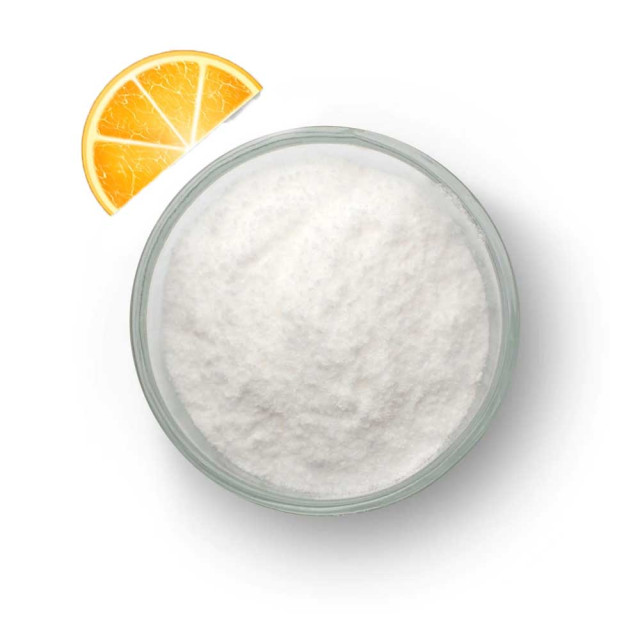
Bromelain powder at 1200 GDU per gram has high enzymatic activity and requires relatively small amounts. Equivalents: 500 mg ≈ ¼ teaspoon, 1000 mg ≈ half a level teaspoon.
250–500 mg with the meal or immediately after, especially when the meal contains meat, fish, eggs or cheese. Supports digestion and the breakdown of proteins.
Daily amount 500–1000 mg, in two doses of 250–500 mg, one in the morning and one in the late afternoon. Taken on an empty stomach, roughly 45–60 minutes before food or at least two hours after, so the enzyme is absorbed and acts systemically rather than only on digestion.
In cases of intense inflammation or injury, the daily amount may reach 1200–1500 mg for a period of 7 to 14 days. Here too it is taken in divided doses on an empty stomach.
Use is best undertaken in consultation with a health professional.
The amounts given are indicative, based on traditional use and published phytotherapy literature. For prolonged use or if you are on medication, consult a qualified health professional.
At high doses it may cause diarrhoea, nausea, vomiting and increased menstrual bleeding. Bromelain slows blood clotting time: it should be avoided by people taking anticoagulant or antiplatelet medication and discontinued before and after surgery — at least 2 weeks beforehand. It is not recommended for people with pineapple allergy; possible cross-sensitivity with latex, wheat, celery, carrot and pollen. It increases the absorption of certain antibiotics (amoxicillin, tetracyclines), raising their blood levels. It may enhance the effect of ACE inhibitors and increase hypotension. Not recommended in pregnancy and breastfeeding due to lack of data. Medical advice is required in active peptic ulcer.
It depends on your goal. With a meal it acts as a digestive enzyme and breaks down proteins. On an empty stomach — 45 to 60 minutes before food or two hours after — it is absorbed and acts systemically on inflammation, mucus and pain.
GDU stands for Gelatin Digesting Units and measures enzymatic activity per gram. At 1200 GDU/g the activity is high, so only small amounts are needed: 500 mg corresponds to roughly ¼ teaspoon.
Anyone on anticoagulant or antiplatelet medication, anyone due for surgery within the next two weeks, anyone with a pineapple allergy, and pregnant or breastfeeding women. If you take antibiotics or ACE inhibitors, consult your doctor.
Have you tried Bromelain extract 1200 GDU powder 80 g? Tell us what you think.