Fruit infusion
Lightly crush 1.5–2 g, about 1 teaspoon, and add to 150–200 ml boiling water. Cover for 10–15 minutes, strain and drink 1–3 times daily, preferably after food. Use for up to 2 weeks without professional advice.

 Zoom
Medicinal & Therapeutic Herbs
Carum carvi L.
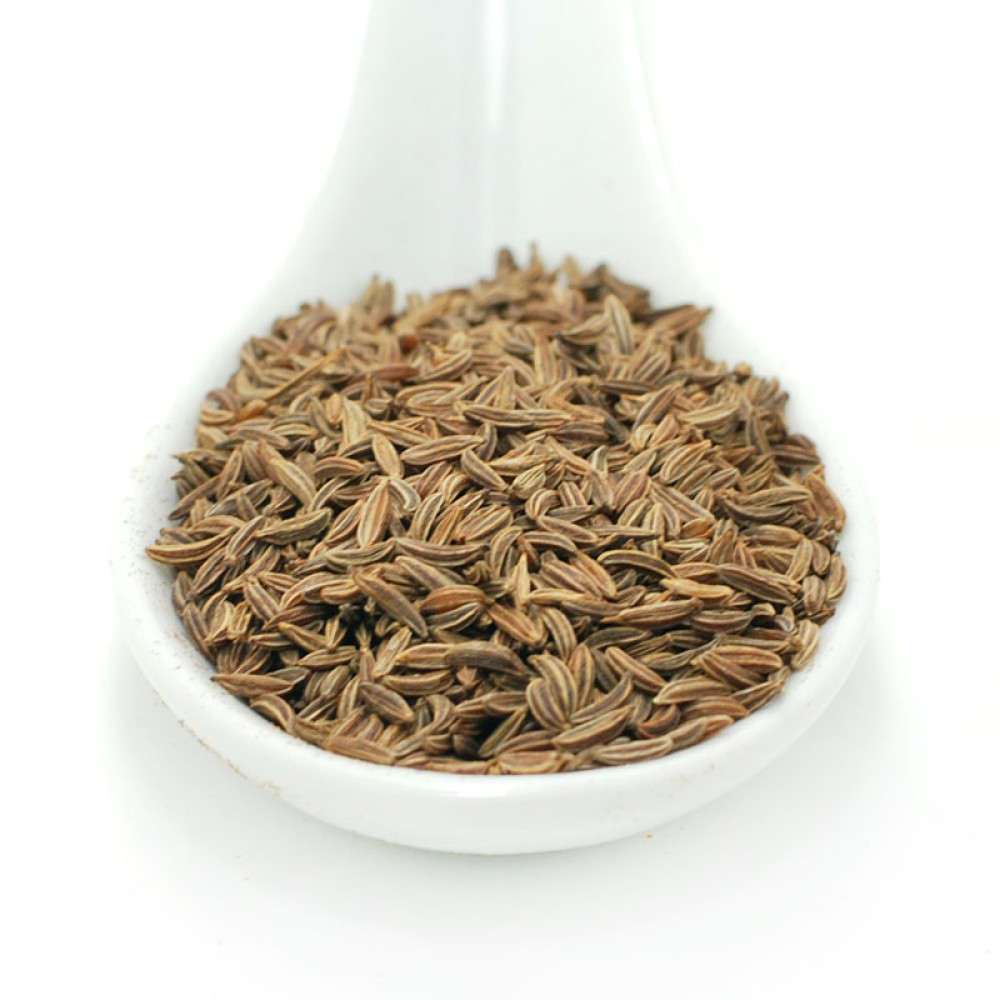
Also known as: caraway, Persian cumin, meridian fennel. In Greek: κιούμελ ολόκληροι καρποί.
Caraway is the aromatic spice with a flavour reminiscent of anise and mint. Whole fruits are used in cooking and as tea for bloating, gas, indigestion and mild gastrointestinal cramps.
Send us a message and we reply within one working day. Or call us on (+30) 2610 221354 during shop hours.
Send a message(+30) 2610 221354Caraway is the aromatic spice with a flavour reminiscent of anise and mint. Whole fruits are used in cooking and as tea for bloating, gas, indigestion and mild gastrointestinal cramps.
Traditional literature describes caraway as antispasmodic, antimicrobial, digestive and stimulating gastric secretions. Carvone and limonene are the principal aromatic constituents and are linked with carminative activity, meaning release of gas and relaxation of digestive smooth muscle.
Recorded uses of the herb include:
Historical use also includes menstrual cramps.
Botanically the material is a fruit although it is commonly called seed in trade.
In cooking they flavour bread, meat, rich dishes and certain cheeses.
Lightly crush 1.5–2 g, about 1 teaspoon, and add to 150–200 ml boiling water. Cover for 10–15 minutes, strain and drink 1–3 times daily, preferably after food. Use for up to 2 weeks without professional advice.
The quantities are indicative and are based on traditional use and published phytotherapy literature. For prolonged use or when taking medication, consult a qualified healthcare professional.
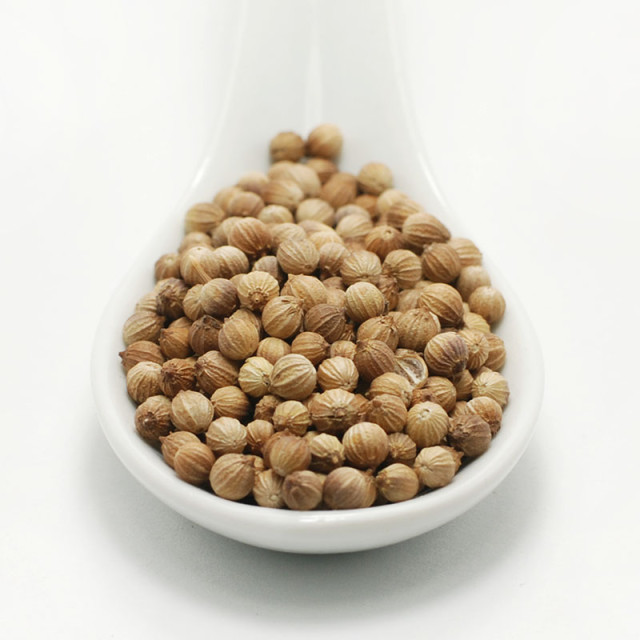
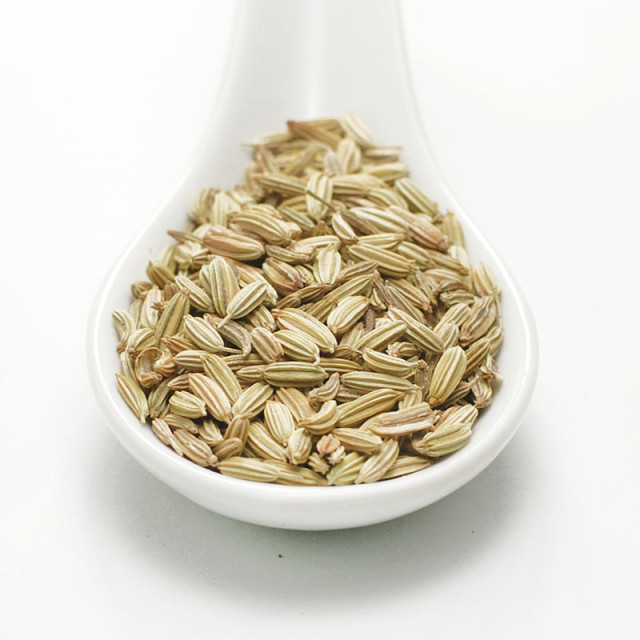
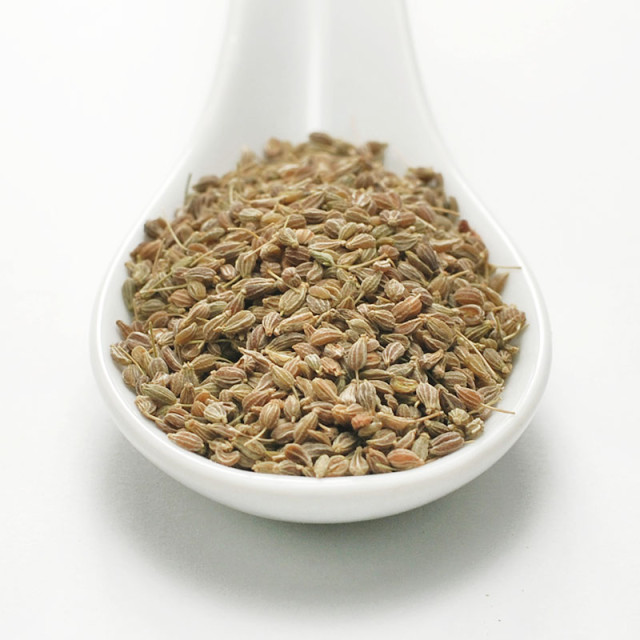
For bloating it combines with fennel, anise or spearmint. Coriander suits richer meals, while chamomile is a traditional partner for menstrual cramps.
Yes. Lightly crush the fruits just before infusion to release their aroma and volatile constituents.
It is commonly taken after food for bloating, gas, indigestion and mild gastrointestinal cramps.
Botanically it is a whole fruit, although trade and culinary language often calls it caraway seed.
Have you tried Caraway whole fruits? Tell us what you think.
0.65€50 g · 3 weights
0.75€50 g · 3 weights
1.00€50 g · 3 weights
0.85€50 g · 3 weights