Catuaba: The Amazonian Herb for Desire, Without the Stress
Catuaba: the Amazonian herb for desire, without the stress
A natural ally for your nervous system
Catuaba is the common name for several trees of the Amazon whose bark is used in Brazilian herbal medicine, traditionally for sexual desire and libido. Erythroxylum vacciniifolium is the most common catuaba tree, but other trees, such as Trichilia catigua, Juniperus brasiliensis, Eriotheca candolleana and Anemopaegma mirandum, are also called catuaba.

The active compounds in catuaba include alkaloids, tannins, aromatic oils and fatty resins, phytosterols, cyclolignans, sesquiterpenes and flavonoids. This combination, together with centuries of traditional use, has caught the attention of researchers.
Why people love catuaba
Desire
This is without doubt its most famous and popular use. Catuaba contains alkaloids traditionally associated with libido in both men and women, through their stimulating effect on the nervous system. It is traditionally used for sexual desire and performance, and has been studied in relation to blood flow.
The nervous system (stress, sleep)
Among its compounds is a group of alkaloids known as "catuabines", thought to be behind its effect on the nervous system. Catuaba is traditionally used for calm in moments of stress and tension. Many people take it in the evening for a restful night, though it is said to raise the chance of romantic dreams, so… use at your own risk!

Mood
Studies have looked at catuaba's dopaminergic activity, meaning its effect on the brain receptors linked to the neurotransmitter dopamine. A 2005 study (Maria M. Campos et al.) examined its effect on depression-related behaviour in mice and rats, with interesting results, and found no significant change in serotonin uptake after long-term use. It is an interesting area of research on mood.
Antioxidant and anti-inflammatory properties
In another study (Jean Paul Kamdem et al.), catuaba was examined for its neuroprotective potential, by measuring oxidative damage in the hippocampus of mice. Other research has looked at its antioxidant and anti-inflammatory properties in relation to protecting the brain from oxidative stress. These effects are thought to come from catuaba's antioxidant flavonoids.
Energy
The indigenous peoples of Brazil used catuaba to revive their strength and overcome exhaustion.
Antimicrobial and antiviral activity
Catuaba has long been used traditionally for the skin. Laboratory studies have examined its antimicrobial and antiviral activity, including against HIV.
Memory
A decoction of catuaba is also traditionally used for memory.
Parkinson's disease: what the research is looking at
In a laboratory study on human cells (SH-SY5Y neuroblastoma cells), catuaba extracts (Anemopaegma mirandum) were examined for their cell-protective effect, in relation to Parkinson's disease. These are laboratory findings, not studies in people.

How to use it
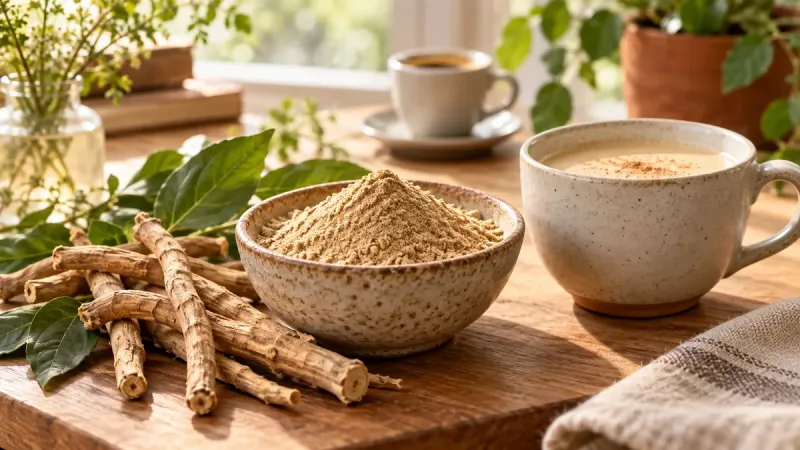
Add 1 level teaspoon of powdered bark to a smoothie (it tastes very good), or mix it with a little warm water and honey or agave syrup, to taste. Take it once a day, or as directed by a herbalist.
Important: catuaba is not recommended during pregnancy or breastfeeding. If you take antidepressants or other medicines that act on the nervous system, speak to your doctor first, and never stop your prescribed medication.
This product is not intended to diagnose, treat or prevent any disease. This information is for general information only and does not replace the advice of your doctor or another health professional.