 Zoom
Medicinal & Therapeutic Herbs
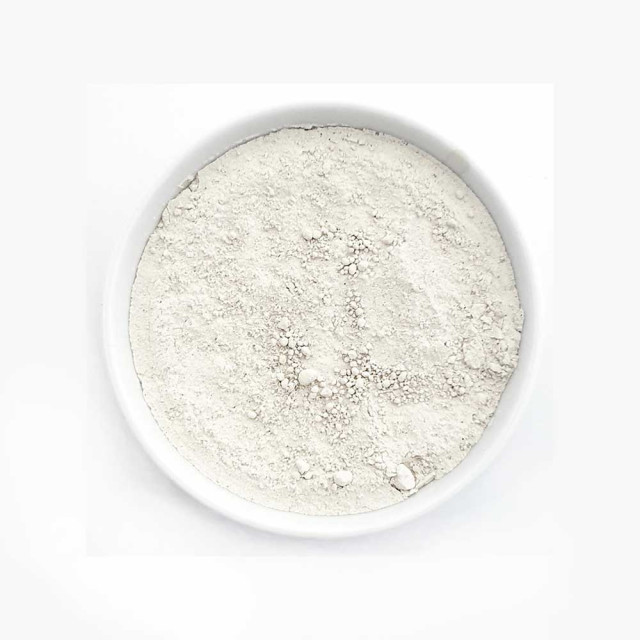
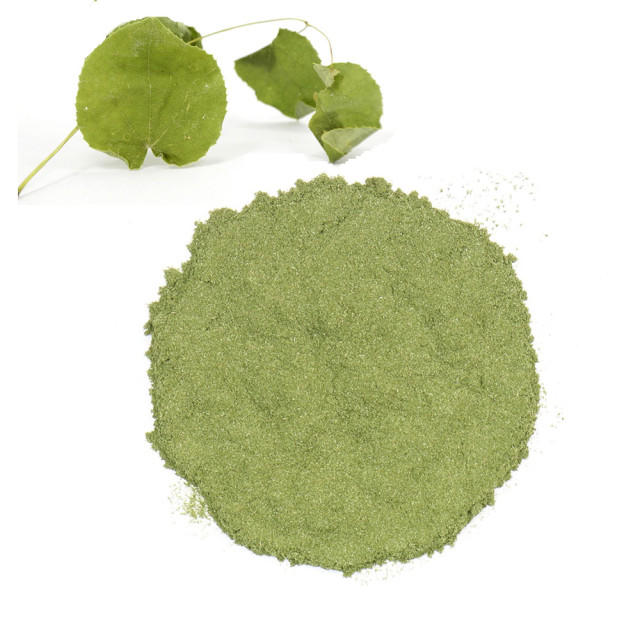
Catuaba bark powder 80 g
Erythroxylum vacciniifolium Mart. (most common species); also Trichilia catigua, Anemopaegma mirandum, Juniperus brasiliensis, Eriotheca candolleana
Also known as: Catuaba, cataguá, catiguá, caramu, chuchuhuasha, pau de repostaru, piratançara, tatuaba, angelim-rosa.
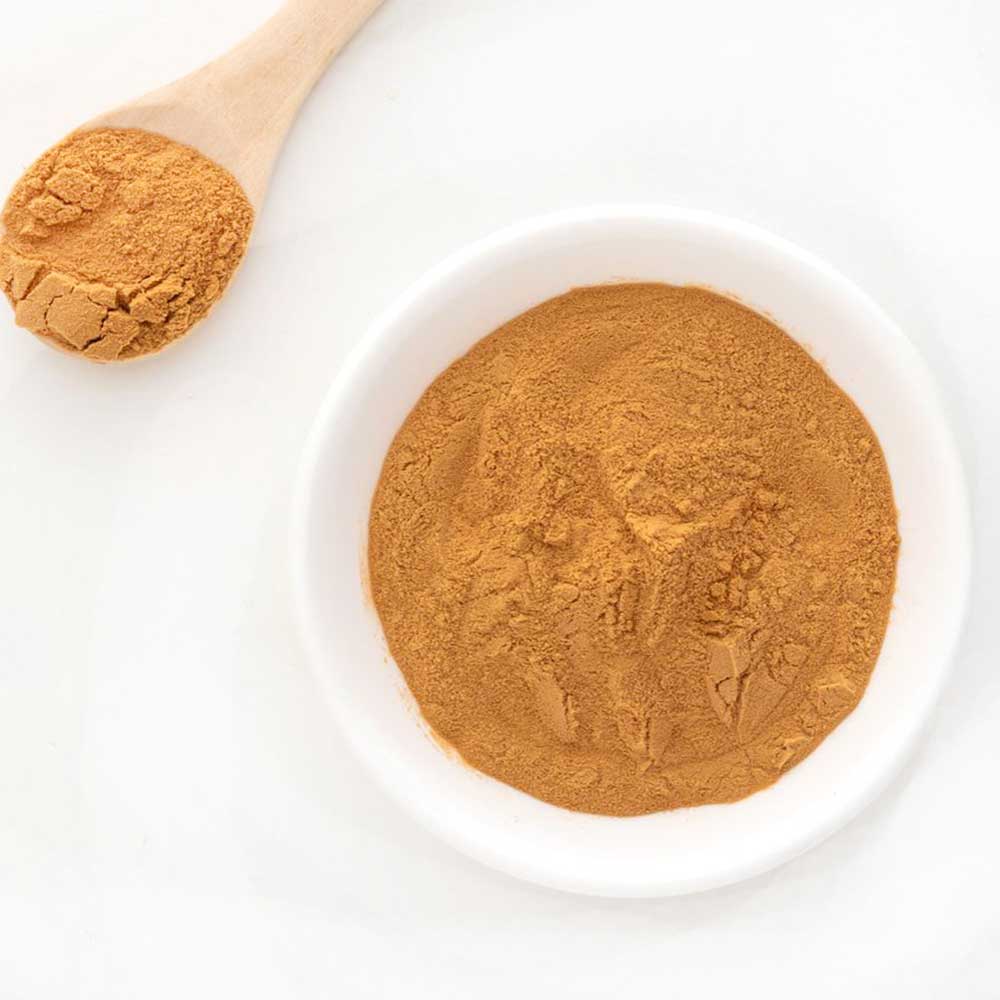
Catuaba is the bark of Amazonian trees, offered as a powder, from Brazil. The name does not correspond to a single species: it is applied to several trees, most often Erythroxylum vacciniifolium and also Trichilia catigua, Anemopaegma mirandum, Juniperus brasiliensis and Eriotheca candolleana.
Shipping options
- EU countries: DHL from €18 · free over €200 (first 2 kg, by volumetric weight)
- Cyprus: ACS, BOX NOW or DHL · free with ACS or BOX NOW over €99
- Greece: ACS or ELTA to your door from €4.00 · ACS or BOX NOW lockers from €2.40 · free over €49 (first 3 kg)
- Usually dispatched within 1–2 business days
Payment methods
- Card, Google Pay, Apple Pay, with no extra charge
- Cash on delivery (Cyprus and Greece): ACS +€2.50 · ELTA +€3.50
- IRIS or bank transfer (Greece only)
Send us a message and we reply within one working day. Or call us on (+30) 2610 221354 during shop hours.
Send a message(+30) 2610 221354What it is
Catuaba is the bark of Amazonian trees, offered as a powder, from Brazil. The name does not correspond to a single species: it is applied to several trees, most often Erythroxylum vacciniifolium and also Trichilia catigua, Anemopaegma mirandum, Juniperus brasiliensis and Eriotheca candolleana. In Brazilian herbal practice the bark is harvested and used for sexual dysfunction and as a libido enhancer.
Key properties
The bark is characterised as aphrodisiac, a nervous system tonic, antioxidant, anti-inflammatory and antimicrobial. Its active constituents include alkaloids, tannins, aromatic oils and fatty resins, phytosterols, cyclolignans, sesquiterpenes and flavonoids. Characteristic is the catuabine group of alkaloids, to which the stimulation of the nervous system is attributed.
This combination, together with long traditional use, has attracted medical research. A 2005 study by Campos and colleagues found antidepressant-like action mediated by dopamine in mice and rats, with no significant change in serotonin uptake after long-term use. Research by Kamdem and colleagues recorded neuroprotective effects, measured as reduced oxidative damage in the hippocampus of mice. In human SH-SY5Y neuroblastoma cells, Anemopaegma mirandum extracts showed cytoprotective action against rotenone-induced apoptosis, a finding researchers have linked to Parkinson's disease. Laboratory antiviral activity is also recorded, including against HIV. All of the above remains preclinical.
Uses
Who it is for
The bark is traditionally associated with sexual performance, libido and erectile dysfunction, with anxiety and insomnia, with depression and mood, with exhaustion and low energy, with memory loss, and with skin conditions.
How it is commonly used
In Brazilian tradition the bark is taken daily as a tonic. Indigenous peoples used it to restore their strength after exertion. The powder has a pleasant taste and is appreciated in wellness routines focused on calm, mood and sexual wellbeing. A bark decoction is also traditionally used for memory.
The main benefits attributed to it
- Sexual performance. Its aphrodisiac properties are without doubt its best known use. Its alkaloids are thought to support sexual function by stimulating the nervous system. The bark is linked to stimulating blood flow to the genital organs, strengthening and prolonging erection, and heightened arousal.
- Central nervous system. The catuabine group of alkaloids is considered responsible for stimulating the nervous system. Traditional use describes a calming effect on anxiety and nerves within less than an hour of taking it.
- Sleep. It is also used as a sleep aid.
- Mood. A 2005 study by Campos and colleagues found antidepressant action mediated by dopamine in mice and rats, with no significant change in serotonin uptake after long-term use.
- Antioxidant and anti-inflammatory properties. Research by Kamdem and colleagues recorded neuroprotective effects, measured as reduced oxidative damage in the hippocampus of mice, with a possible role in protecting against brain-related disorders.
- Energy. Indigenous peoples used it to restore their strength and counter exhaustion.
- Antimicrobial and antiviral action. Long used for various skin conditions, with an attributed antimicrobial property linked to keeping infection at bay. Antiviral activity has also been recorded in the laboratory, including against HIV.
- Memory. A bark decoction is used for memory loss and forgetfulness.
- In human SH-SY5Y neuroblastoma cells, Anemopaegma mirandum extracts showed cytoprotective action against rotenone-induced apoptosis — a finding researchers have linked to Parkinson's disease.
Preparation and dosage
One level teaspoon of powder in a smoothie, or mixed with a little warm water and honey or agave syrup to taste, once daily or as directed by a herbalist.
Quantities are indicative, based on traditional use and published herbal literature. For prolonged use or if you are on medication, consult a health professional.
Precautions
Studies and reports are insufficient to establish side effects in adults. There is not enough data on safety in pregnancy and breastfeeding, so it is avoided. Because inhibition of platelet phospholipase A2 is documented, caution is needed with anticoagulant or antiplatelet medication, and use is stopped before surgery. As a nervous system tonic it is not combined with other stimulants. Caution with concurrent antidepressants, given the dopaminergic action. Because the commercial name covers more than one botanical species, composition varies by supplier. Not given to children.
Frequently asked questions
Why does Catuaba correspond to several botanical species?
Because the name is commercial and vernacular rather than botanical. In Brazil it is applied to several Amazonian trees with similar traditional use; the most common is Erythroxylum vacciniifolium.
How is the powder taken?
One level teaspoon in a smoothie or in a little warm water with honey, once a day. The taste is pleasant and needs no masking.
How quickly is the effect on the nervous system felt?
Traditional use describes a calming effect within the first hour. These reports are empirical and do not come from clinical studies in humans.
- Trichilia catigua: therapeutic and cosmetic values
- Ethnobotanical review of Trichilia catigua
- Potent protecting effects of Catuaba (Anemopaegma mirandum) extracts against hydroperoxide-induced cytotoxicity
- Inhibition of platelet phospholipase A2 activity by catuaba extract suggests antiinflammatory properties
- Effects of the extract of Anemopaegma mirandum (Catuaba) on Rotenone-induced apoptosis in human neuroblastomas SH-SY5Y cells
- Antidepressant-like effects of Trichilia catigua (Catuaba) extract: evidence for dopaminergic-mediated mechanisms
Reviews
Have you tried Catuaba bark powder 80 g? Tell us what you think.