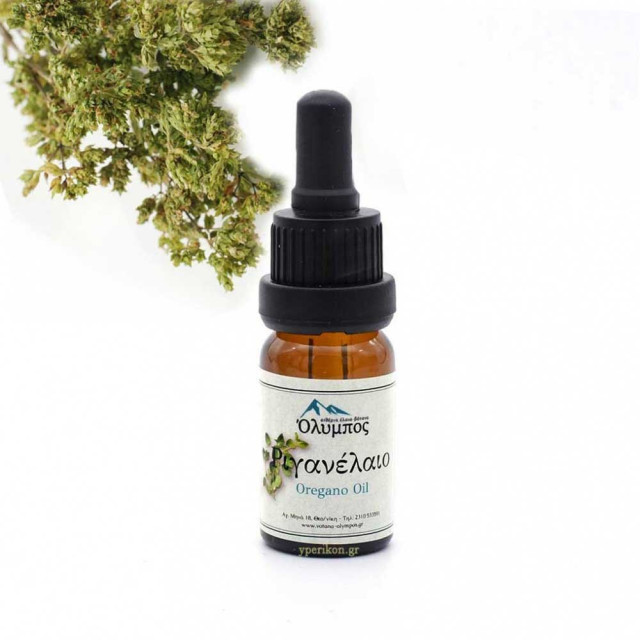
Greek oregano essential oil 10 ml
10.50€15.00€

 Greek Zoom
Aromatic Herbs
Pistacia lentiscus var. Chia
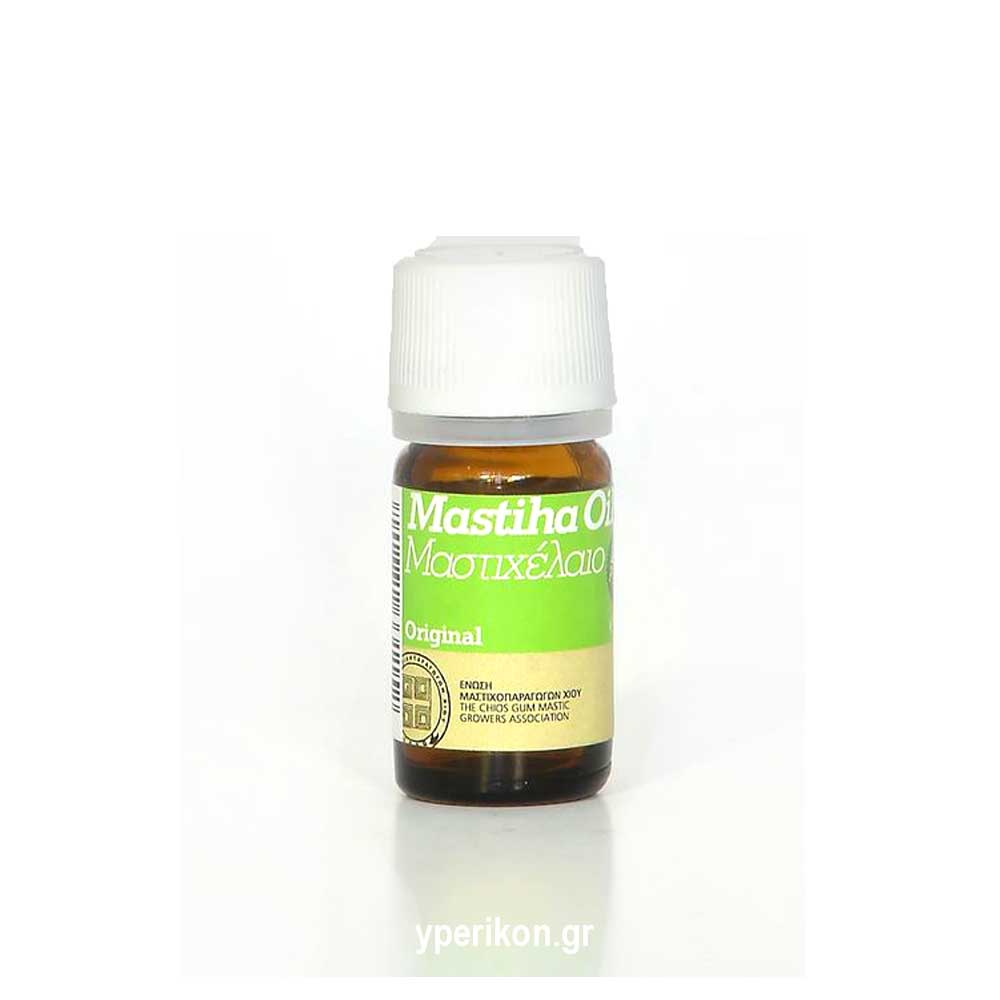
Also known as: mastic oil, μαστιχέλαιο
It comes from the resin of Pistacia lentiscus var. Chia, which yields mastic only in southern Chios, and carries the mark of the Chios Mastiha Growers Association as a pure, unadulterated distillate.
Send us a message and we reply within one working day. Or call us on (+30) 2610 221354 during shop hours.
Send a message(+30) 2610 221354Chios mastic essential oil is obtained by distilling natural Chios mastic. Yield ranges from 1% to 3% depending on resin quality, which is why the distillate is concentrated and costly.
It comes from the resin of Pistacia lentiscus var. Chia, which yields mastic only in southern Chios, and carries the mark of the Chios Mastiha Growers Association as a pure, unadulterated distillate.
The aroma is resinous, balsamic and clear, with a cool finish suggesting pine. Distillation concentrates the volatile constituents of the resin, chiefly monoterpenes such as alpha-pinene and beta-myrcene, to which the properties under study are attributed.
The literature records:
Research focuses on Helicobacter pylori, gastritis, gastric ulcer, reflux, dyspepsia and inflammatory bowel conditions, and in the mouth on tooth decay, gingivitis and periodontitis.
An important distinction: the essential oil does not contain the mastic polymer, the gum that remains when mastic is chewed and acts mechanically. It carries only the volatile constituents and does not replace the crystals.
Mastic oil was once also produced from the fruit of the tree and used for hair loss. In Arab countries it served for centuries in the traditional treatment of abdominal pain.
Internal use: 1 to 3 drops per day, always diluted in a teaspoon of vegetable oil such as olive or coconut oil, or in a glass of water. It can also be added to coffee for aroma. Never undiluted.
This information concerns traditional use and research data. The product is not intended to diagnose, treat or prevent disease and does not replace medical advice.
A few drops are enough in custards, ice cream, tsoureki and Turkish delight, and in distilling it gives mastic spirits their character; the emperor Elagabalus made a wine from it called mastichinon. Perfumers value it as a fragrance and fixative, cosmetics in face creams.
This is a concentrated essential oil, not a culinary oil. Do not take it undiluted and do not exceed the indicated amount. It is not recommended during pregnancy or breastfeeding, or for children, without professional advice. Anyone on stomach medication should consult a doctor first.
Only diluted: one to three drops in a teaspoon of vegetable oil or a glass of water. Never undiluted.
The oil is the distillate of the resin, only 1–3% of it. It is far more concentrated and used in a much smaller dose.
Yes. One or two drops are enough for a whole recipe of custard, ice cream or tsoureki.
Have you tried Chios mastic essential oil? Tell us what you think.
10.50€15.00€
2.22€50 g · 3 weights
1.47€100 g · 2 weights