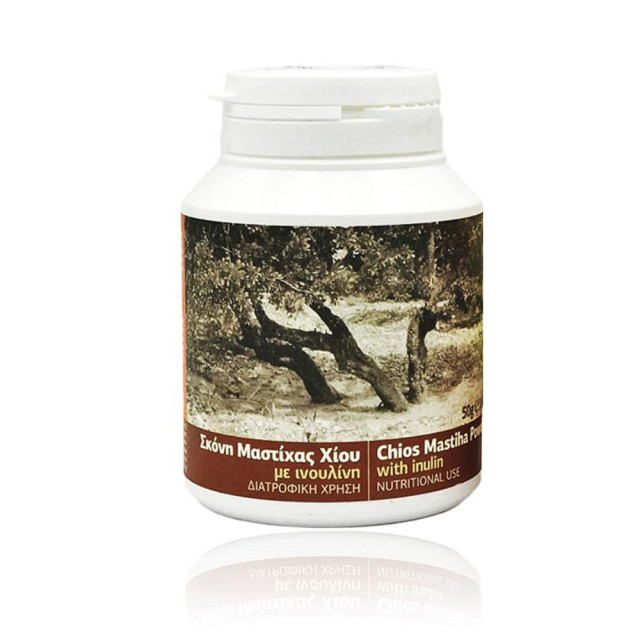
Chewing or powder
Slowly chew 0.5 g tears or grind them and divide the daily amount into two servings. The traditional total daily amount for mild dyspepsia is up to 1–2 g.

 Greek Zoom
Medicinal & Therapeutic Herbs
Pistacia lentiscus L. var. Chia
Also known as: Chios mastiha, mastic gum, mastix. Protected Designation of Origin: Chios, Greece.
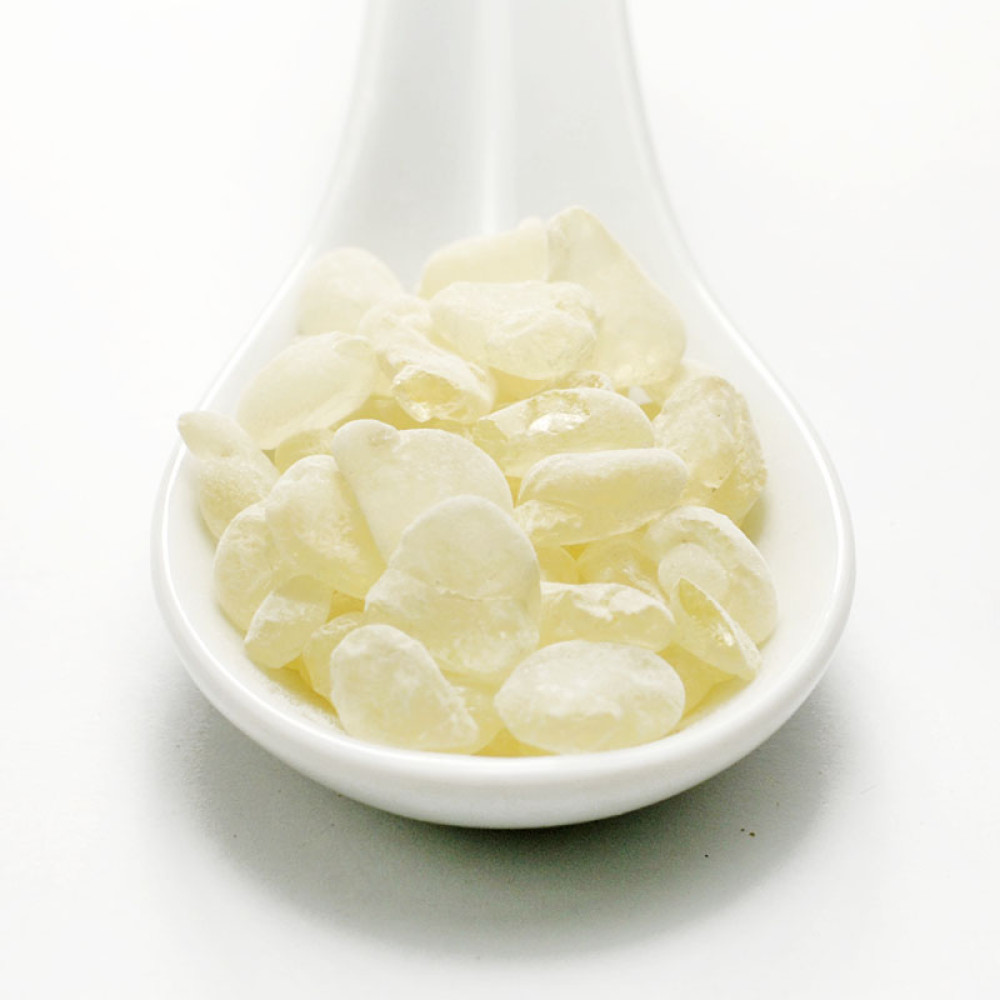
Chios Mastiha is the natural aromatic resin of the mastic tree, solidified into characteristic tears. It is used for chewing, mild dyspeptic complaints, oral care and cooking.
Send us a message and we reply within one working day. Or call us on (+30) 2610 221354 during shop hours.
Send a message(+30) 2610 221354Chios Mastiha is the natural aromatic resin of the mastic tree, solidified into characteristic tears. It is used for chewing, mild dyspeptic complaints, oral care and cooking.
The natural resin contains triterpenic and resin acids, polymers and essential oil. This complex gives mastiha aromatic, antimicrobial, antioxidant and digestive properties.
Chios Mastiha is traditionally used for:
while chewing it is associated with fresh breath and oral care.
Chios Mastiha has been the subject of laboratory and clinical studies concerning its activity against Helicobacter pylori, the bacterium associated with gastritis, indigestion and peptic ulcers. Modern studies have also examined it in relation to periodontal health, glucose and cholesterol. In cooking it flavours sweet bread, ice cream, custards, desserts, bread, liqueurs and savoury sauces.
Slowly chew 0.5 g tears or grind them and divide the daily amount into two servings. The traditional total daily amount for mild dyspepsia is up to 1–2 g.
Chill briefly and grind with sugar or salt before adding to a recipe.
The quantities are indicative and are based on traditional use and published phytotherapy literature. For prolonged use or when taking medication, consult a qualified healthcare professional.
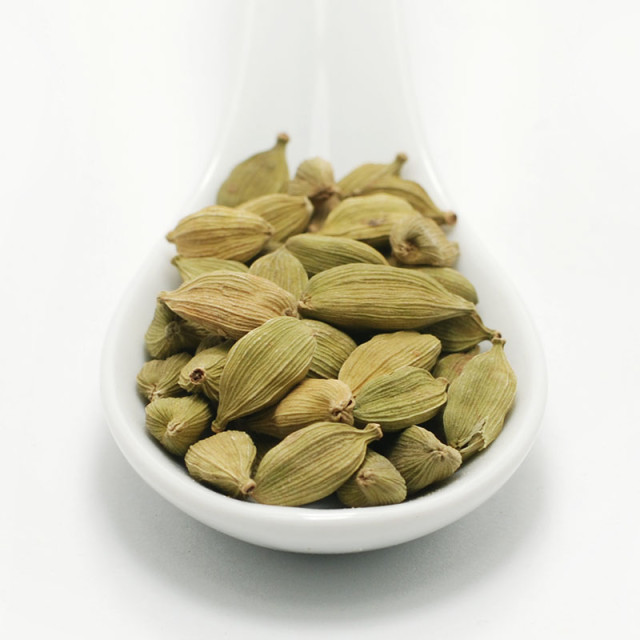
For digestion combine with ginger or fennel. In cooking it pairs with lemon, vanilla and cardamom.
The European traditional amount is up to 1–2 g daily in divided servings.
Clinical and laboratory studies have examined mastiha in relation to the bacterium and gastric health.
Chill briefly and grind with a little sugar or salt.
Have you tried Chios Mastiha PDO tears? Tell us what you think.